Latest Blogs
See More


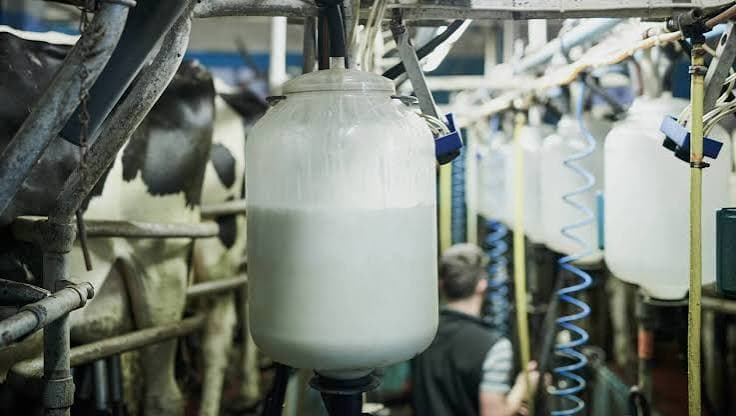
As global demand for whey protein continues to outpace supply, dairy processors are increasingly focusing on operational efficiency rather than new factory construction to unlock additional production capacity. According to industry experts featured by DairyReporter, many processing facilities are already operating membrane systems, pasteurisers and dryers close to full capacity, making bottlenecks in filtration, cleaning and drying the biggest constraints to higher whey output. Instead of waiting years for costly plant expansions, processors are optimising clean-in-place (CIP) procedures, membrane performance and production workflows to recover valuable processing time.
Experts report that improved CIP practices can reduce cleaning cycles by 15 to 45 minutes, translating into hundreds of additional production hours annually on capacity-constrained lines. The industry is also adopting digital monitoring systems and artificial intelligence (AI) to analyse production and cleaning data in real time, enabling processors to detect pressure, flow and cleaning issues before they affect throughput.
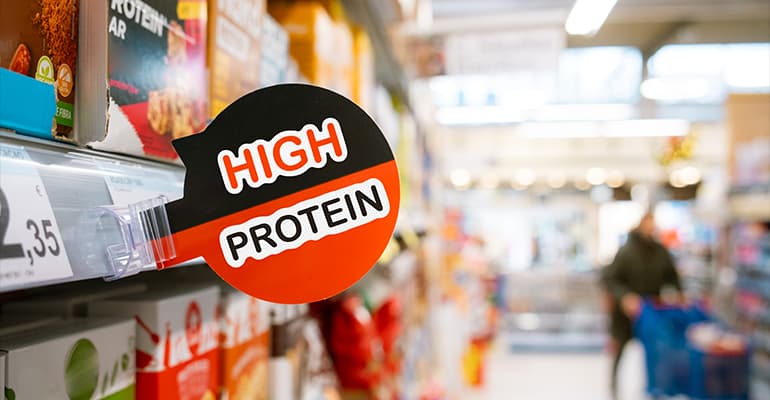
Additional strategies include improving membrane flux through better membrane care and, where feasible, adding membrane loops to existing systems to expand filtration capacity. The report highlights that as demand for whey protein concentrate (WPC) and whey protein isolate (WPI) continues to surge, driven by high-protein foods, sports nutrition and wellness trends, operational optimisation and digital technologies are becoming essential for increasing whey output, improving profitability and meeting market demand without major capital expansion. (dairyreporter.com)
Source: Dairynews7x7 17 July, 2026 Read full article here
#DairyIndustry #WheyProtein #DairyProcessing #FoodInnovation #ProteinNutrition #DigitalTransformation #DairyNews