Latest Blogs
See More


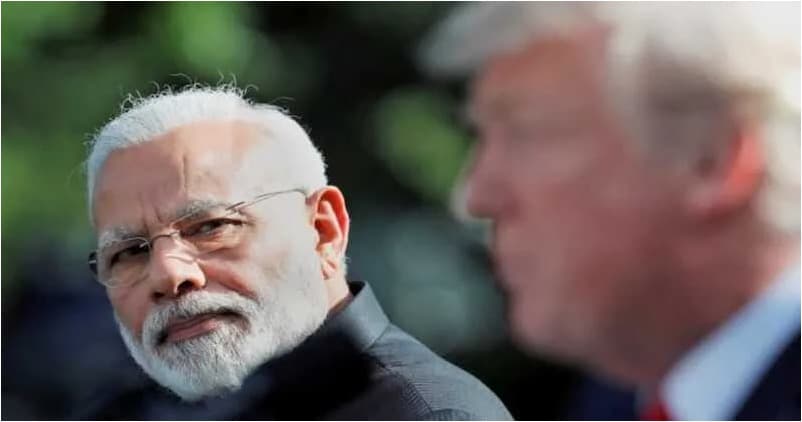
India has quietly imposed a 30 % tariff on pulses imported from the United States — including key crops like yellow peas and lentils — in what officials present as a protective trade measure for domestic agriculture and farmers. This duty, which came into effect from November 1, 2025, marks a retaliatory step after earlier U.S. tariffs on Indian goods, and has drawn attention from policymakers in Washington, underlining the complexity of ongoing trade negotiations between the two nations.
The tariff move has prompted two U.S. Republican senators — Kevin Cramer (North Dakota) and Steve Daines (Montana) — to write to President Donald Trump urging him to engage Prime Minister Narendra Modi and seek favourable provisions for American pulse crop access in any future trade agreement. Their letter frames the high Indian duties as a competitive disadvantage for U.S. farmers and advocates for reduced barriers ahead of wider bilateral talks.
The situation arises amid delayed India–U.S. trade deal talks, where agricultural market access — including pulses and sensitive sectors like dairy — remains a key sticking point. The Trump administration has pushed for expanded entry for U.S. agricultural and dairy products into the Indian market, but New Delhi has maintained cautious positions to protect its rural producer base, given the potential economic impact on local farmers.
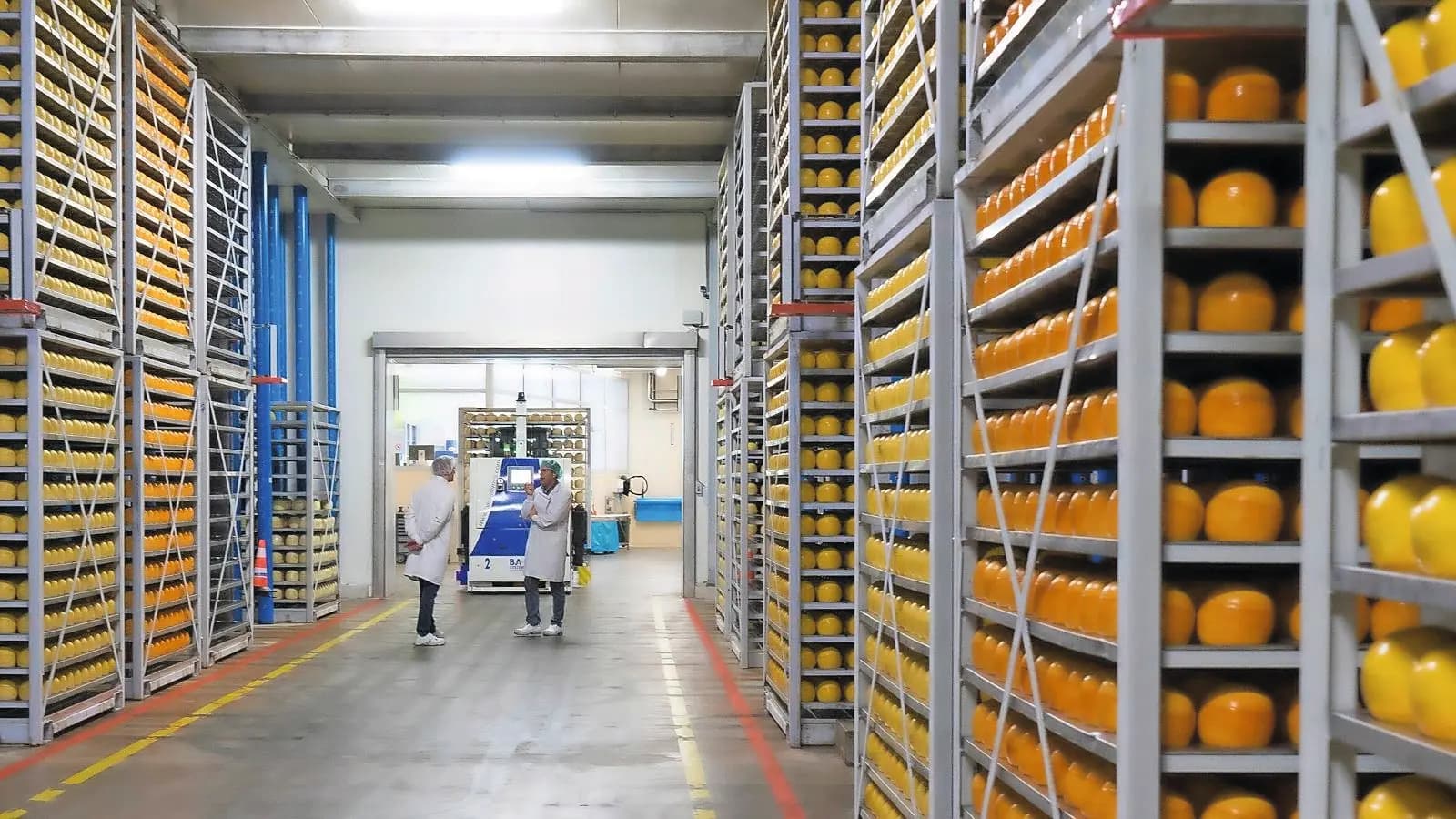
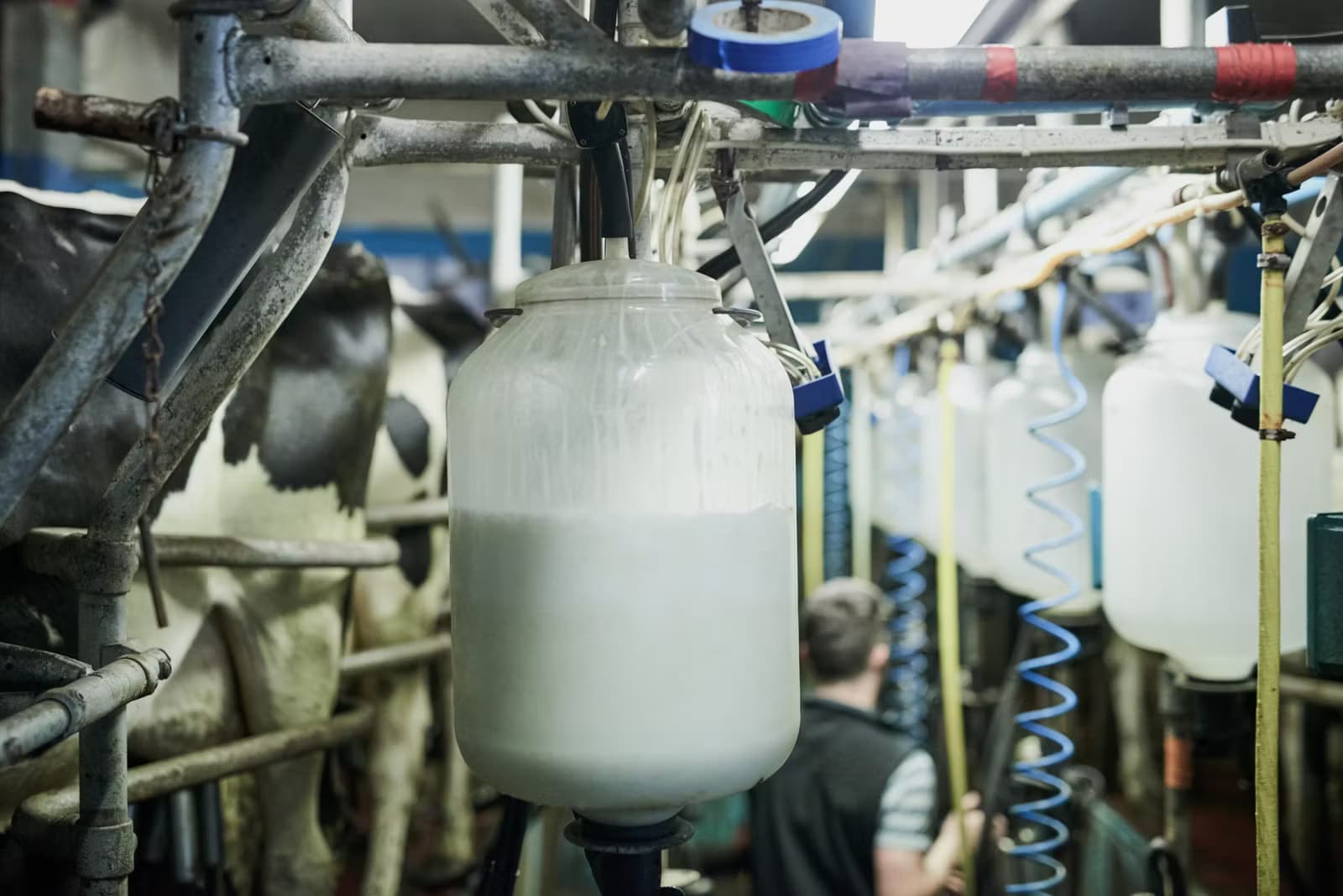
For the dairy sector, the broader context is important: U.S. negotiators have similarly sought greater access for American dairy products, an issue that India’s negotiators have treated carefully because widespread tariff reductions could expose Indian producers — especially smallholders — to strong foreign competition. The pulse tariff episode underscores how agricultural trade protections and tariff strategies are central to how India balances domestic producer interests with the push for broader trade agreements.
Source : Dairynews7x7 Jan 20th 2026 Organiser