Latest Blogs
See More


Indian Dairy News

DairyNews7x7
Global Dairy News
DairyNews7x7
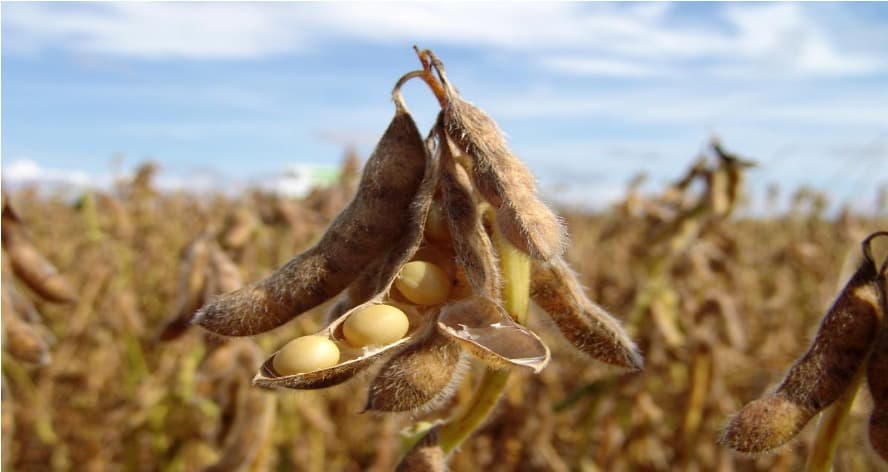
New research shows that feeding high-oleic soybeans to dairy cows can both improve milk composition and cut feed costs, offering a promising feed strategy for producers amid rising input prices. This discovery from scientists and dairy operators in Michigan, USA highlights how plant-based feed innovations can directly impact dairy economics and sustainability.
Farmers have long sought ways to reduce expensive purchased feed while maintaining milk yield and quality. Trials feeding high-oleic soybean varieties—soybeans bred to contain higher levels of oleic acid (a healthy monounsaturated fat)—showed that dairy cows responded with better milk fat and protein levels within days of switching diets. The improved nutrient profile of milk can enhance value in markets where composition (fat/protein) drives pricing.
At one Michigan dairy, the integration of high-oleic soybeans into cow rations led to a reported ~20% monthly reduction in feed costs, as the crop replaced a portion of purchased concentrates. Such cost savings are significant in a climate where feed remains one of the largest components of dairy production cost globally. Early evidence also suggests that processing the soybeans (e.g., roasting) before feeding may further enhance digestibility and production benefits.
Researchers and industry partners involved in the studies emphasise that science-driven feed solutions like high-oleic soybeans could help dairy farmers manage input costs while producing milk with a healthier fatty acid profile. If adopted more broadly, these feeding strategies have the potential to support both farm profitability and consumer-oriented milk quality improvements. Future work will explore scaling, optimal inclusion rates and long-term herd health impacts.
Source : DAirynews7x7 Jan 19th 2026 Read full story here