Latest Blogs
See More

Indian Dairy News

DairyNews7x7
Global Dairy News
DairyNews7x7
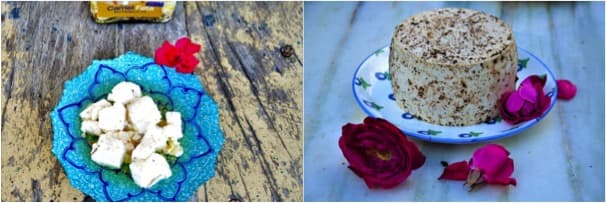
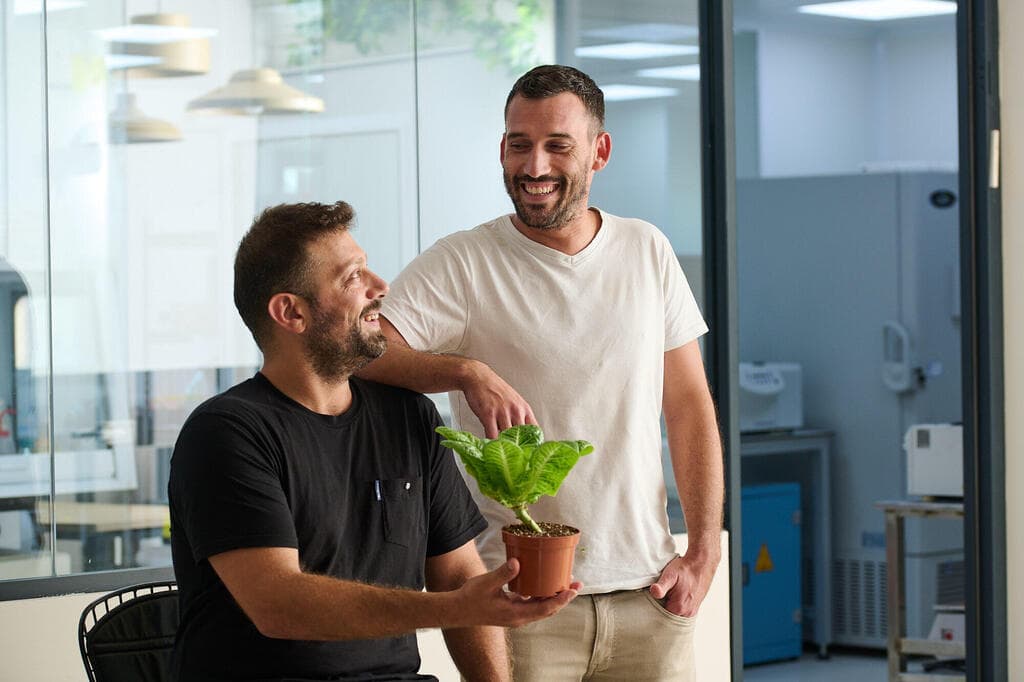
Panchal Dairy, a venture started in January 2022 by Kalotra and Ghangal, is one of a motley group of artisanal cheesemakers who are spearheading a niche yet steadily growing artisanal cheese market in India. Panchal Dairy makes 10 varieties of cheese — chèvre, halloumi and marinated feta from fresh goat milk; aged goat-cheese varieties tomme and tymsboro; and ricotta, pecorino and manchego in the specialty sheep-cheese variety. Since goat milk is available only for seven months a year, aged cheese is an alternate option for the rest of the months.
Camel Charisma located in the Pali district of Rajasthan is another initiative to promote camel milk products including artisanal cheese, thereby providing income generating opportunities to camel-herding communities. Ilse Kohler-Rollefson, a camel researcher for more than three decades and the force behind this initiative, said that their products have been finding traction in the market. “We had the Godwar Camel Cheese Festival in November 2022 in support of the Raika (a community) camel breeders. The chef of Udaipur’s Lake Palace hotel who attended the event included camel milk cheese on their menu,” she said. The Taj hotel group in Udaipur and the Jodhana properties in Jodhpur are other major clients of the brand. Kohler-Rollefson believes that the increasing demand for artisanal cheese in India has the potential to make a difference to the herder community.
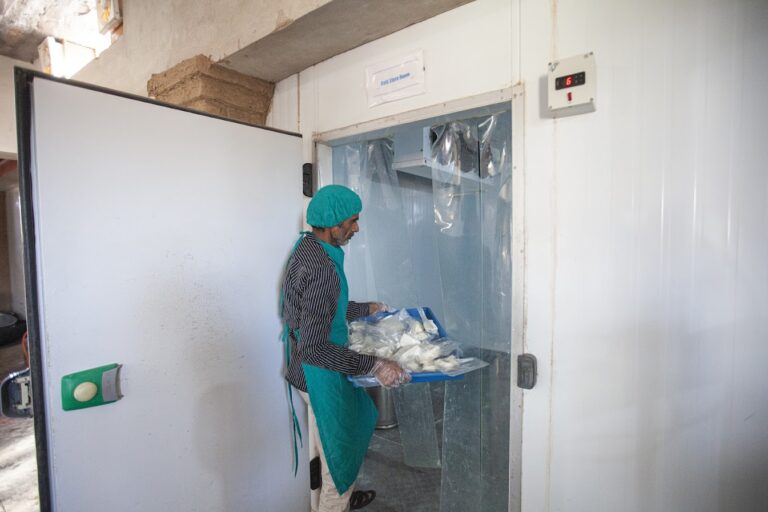
“Cheesemaking requires an important component, rennet, which helps in milk coagulation. Pastoralists don’t have access to that. So, although they use different methods to increase the shelf life of milk, cheese is not one of them in the strict sense of the word,” Srivastava of Bahula Naturals told Mongabay India.
Traditionally, Rajasthan’s Raika community, who are camel breeders, did not sell camel milk. Madhavram Raika, a pastoralist from the community, explained that this was because they believed that the camel was created by Goddess Parvati and Lord Shiva by infusing its soul and the Raikas were entrusted with the responsibility of taking care of the animal by the gods. “For generations we have grazed herds of camels on the grazing land accessible to us, and would go into the forests of Kumbalgarh during the monsoons,” he said. This was before Kumbalgarh was declared a wildlife sanctuary. The camel milk was consumed by the family and the animal would help in the field or carry goods. When nomadic pastoralists moved from one place to another, milk was stored in vessels and certain milk products were made which increased its shelf life. For instance, granular pieces of dairy left after straining the stored milk, something like cottage cheese, would be mixed with bajra (pearl millet) to make rotis. These would last longer in the journey and be consumed by all.
Hanwant Singh Rathore, director of Lokhit Pashu Palan Sansthan, a body of camel breeders in Rajasthan, recounted that hardly anyone sold camel milk until 1994. “However, with changing situations, like fewer grazing grounds for camels and the families’ sustenance which in turn affected the welfare of the animals, led us to explore different livelihood options. We started convincing others that camel milk could be a viable source of income,” Rathore said.
Camel milk is still not sold in parts of Jodhpur, Barmer, Jalore and Marwar areas of Rajasthan while in places like Udaipur and Godwar, the pastoralists have started selling camel milk only three decades ago, signaling altering situations and mindsets, said Rathore. “Earlier we did not sell female camels. Until 2002, lactating female camels would be taken to Pushkar mela (the annual livestock fair in Pushkar) only to feed the young. But now the demand for female camels has increased and they are sold for Rs. 25,000-30,000. The therapeutic properties of camel milk and the demand for milk products like cheese have led to these changes,” he added.
Srivastava said that the main objective of these initiatives is camel conservation and rejuvenation of grazing land. Pastoralists across the country have been faced with various threats to their livelihood such as shrinking rangeland and climate change. In western Rajasthan, a pastoralist, Nek Mohammad, said that in his 40 years of experience as a sheep herder, he had not faced as many challenges related to the animals’ health as now. He suspects the change in climate to be the cause. “There are long dry and cold spells. The winters are severe,” he said. He said an unidentified lung disease killed 30 sheep in the last two years in his community which he believed could have been caused by the changing weather.
Pastoralists in Kachchh complain that the invasive species, Prosopis juliflora, which was introduced in the Great Rann of Kachchh in 1961 to control Rann’s ingression, has now taken over about 50 percent of the grassland, threatening native grasses and plants. According to the International Union for Conservation of Nature (IUCN), the proliferation of invasive species is often exacerbated by climate change. As a result, pastoralists have to walk longer distances to graze their animals.
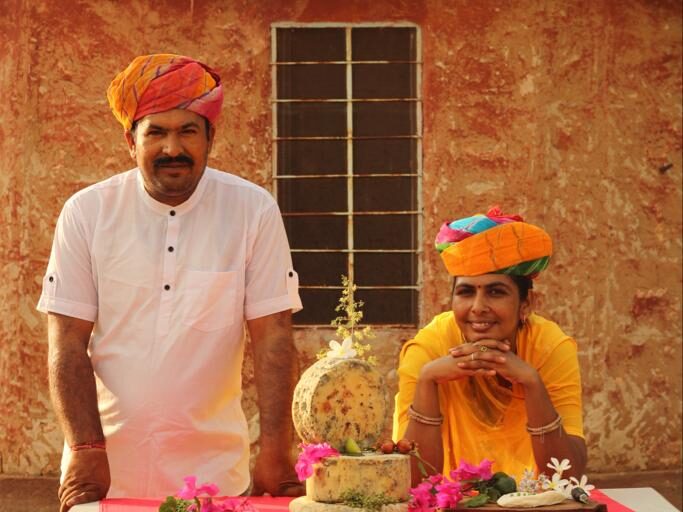
One of the few ventures in the country to make sheep milk cheese, Panchal Dairy uses 100 litres of milk every day for cheesemaking of which 70 litres is goat milk. They source the milk entirely from the local Rabari and Bharwad communities.
“We did not even know what cheese was until recently, let alone making all these varieties,” Kalotra said. Kalotra and Ghangal were trained by cheesemaker Namrata Sunderasan, an initiative supported by Sahjeevan, a non-profit that works with pastoralists. They zeroed in on the varieties that are currently sold after “several experiments”. Chennai-based Sunderasan has her own brand of artisanal cheese called Kase Cheese which is now Panchal Dairy’s biggest B2B (business to business) client. “These cheese varieties are from free-ranging animals which add to the value of the product which consumers are increasingly becoming aware of,” Sunderasan said. Facilitated by Srivastava, she also trained a group of pastoralists in Rajasthan in camel milk cheesemaking.
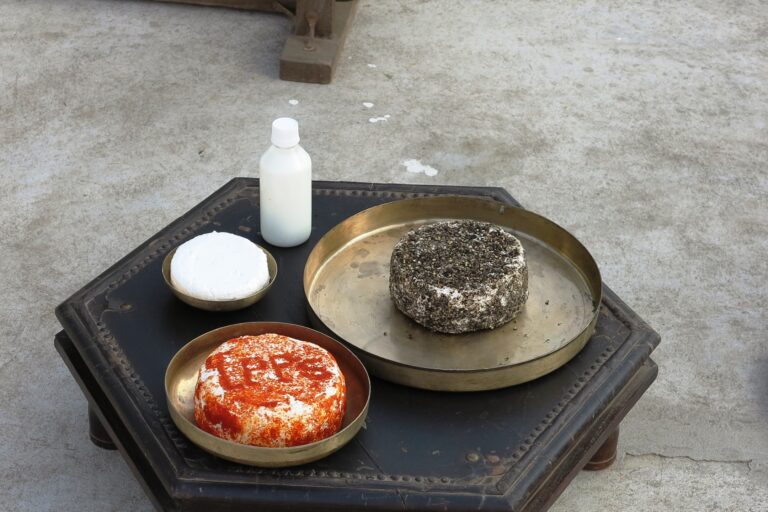
According to Srivastava, out of all the dairy products that they have experimented with to push the demand for camel milk, cheese has been the most popular. “In 2020-21 we led a pilot project to introduce flavoured milk, ghee, cupcakes, caramelised toffee and biscuits made of camel milk and faced many challenges. People were used to a certain flavour of ghee from cow milk and biscuits had a lot of competition in the market,” she said.
Cheesemaking, however, cannot bolster the traditional livelihood of pastoral communities and herders by itself, said Vasant Saberwal of the non-profit Centre for Pastoralism that works to enhance pastoral livelihood and knowledge on pastoral systems. “The mission is to create a buzz and a demand for pastoral milk. Cheese is one of the options (to do so),” he said.
The uniqueness of pastoral milk is that depending on the terrain and what the animals forage on, the taste of the milk varies, Saberwal said. Pastoral milk is organic and some milk, like camel’s milk has been found to have therapeutic value. “So our aim is to increase the visibility of pastoral milk and its value,” he said.
These initiatives are getting noticed and events are being organised to promote them. In January 2023, the Ministry of Fisheries, Animal Husbandry and Dairying organised a national conclave of pastoral youth in which the creation of institutional platforms for marketing non-bovine milk and the ease of doing business in the pastoral dairy landscape were discussed. More recently, in October 2023, the National Research Centre on Camel invited Bahula Naturals to present their cheese platter at an event in Delhi where the President of India was present. Panchal Dairy is slowly venturing into ecommerce through their website while Camel Charisma prepares for a workshop for pastoralists with Canadian cheese professional, Trevor Warmedhal, in January 2024, and Bahula Naturals are getting ready to export their artisanal cheese.
Banner image: Cheesemakers Arpan Kalotra and Bhimsinhbhai Ghangal of Panchal Dairy making goat milk cheese in Kachchh, Gujarat. Photo by Panchal Dairy.
Source : India Mongabay 25 December 2023 by Azera Parveen Rahman