Latest Blogs
See More

Indian Dairy News


DairyNews7x7
Global Dairy News

DairyNews7x7
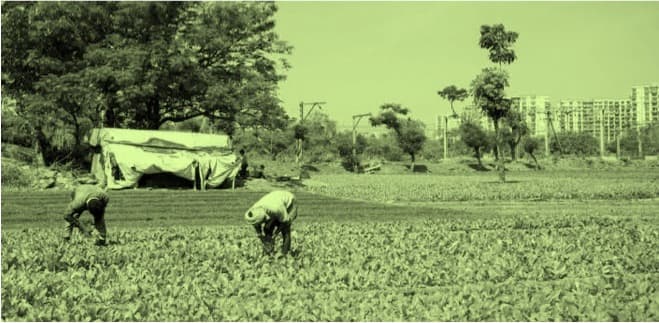
As the urban farming discourse in India has been expanding over the past few years; the limelight is often on upwardly-mobile urban citizens who take up farming for recreational, environmental, spiritual or economic reasons.
More than half the world’s population is projected to live in cities by 2050. This raises the question about the availability of green spaces and resources. The Covid-19 lockdown rekindled the interest of urban residents to grow food in their own terraces and gardens. The benefits of edible gardens, like cooler and cleaner cities, healthier ecosystems, and healthier bodies, resurfaced in conversations. The urban farming discourse has been expanding over the past few years. But in the prominence of this discourse are urban people from the middle and upper class with access to technological innovations.
The Aarey Milk Colony was originally a 3,000-acre forested area in the middle of Mumbai. The colony was demarcated as a no-development zone in 1949. The area has been home to 27 tribal villages or padas for centuries. Over the years, the land has been used to accommodate various real estate and urban infrastructure projects. As of 2020, around 600 acres of the milk colony land is demarcated as forest, by the government.
In other hidden farms of Mumbai, agricultural migrants from north India work on the government-owned railway land; and cultivate vegetables to cater to the needs of city dwellers. Since 1975, Indian Railways began putting its vacant land to use under the scheme ‘Grow More Food’. Intended to protect its surplus land from encroachment and to prevent new slums from developing, the policy allowed railway employees belonging to Scheduled Caste/Scheduled Tribe/Other Backward Classes and Economical Weaker Sections, to cultivate seasonal vegetables on a five-year lease of 4,000 rupees per acre per year. Some of these employees, in turn, hire agricultural migrants to cultivate and oversee these railway farms.
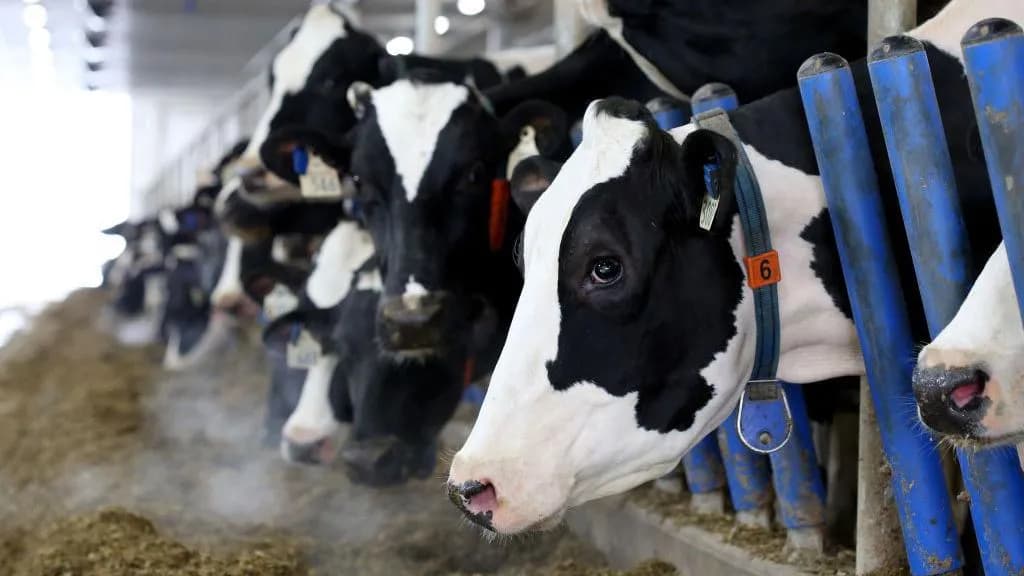
Other challenges that the dairy farmers face are bad roads and a shortage of electricity in Aarey, which disrupts their milk production. Aarey’s cattle rearers want to be recognised as farmers in the city. A dairy worker that the author spoke to, said that transporting buffaloes for dairy is easier than transporting cows because of the controversies surrounding cow slaughter.Some of Mumbai’s women sanitation workers began small-scale farming for an additional source of income and nutrition during the COVID-19 lockdown.
Since January 2021, the collective-based organisation Stree Mukti Sangathan (SMS) has been training the low-income, Dalit and Bahujan sanitation workers, in horticulture. With over 2,000 women, SMS runs self-help groups that work in urban waste management, employment opportunities and women’s rights. Since 1998, it has been running ‘Parisar Vikas’ programme, which addresses the problems of waste management, environment-friendly practices like composting and gardening in the Mumbai Metropolitan Region.