Latest Blogs
See More



Indian Dairy News


DairyNews7x7
Global Dairy News


DairyNews7x7
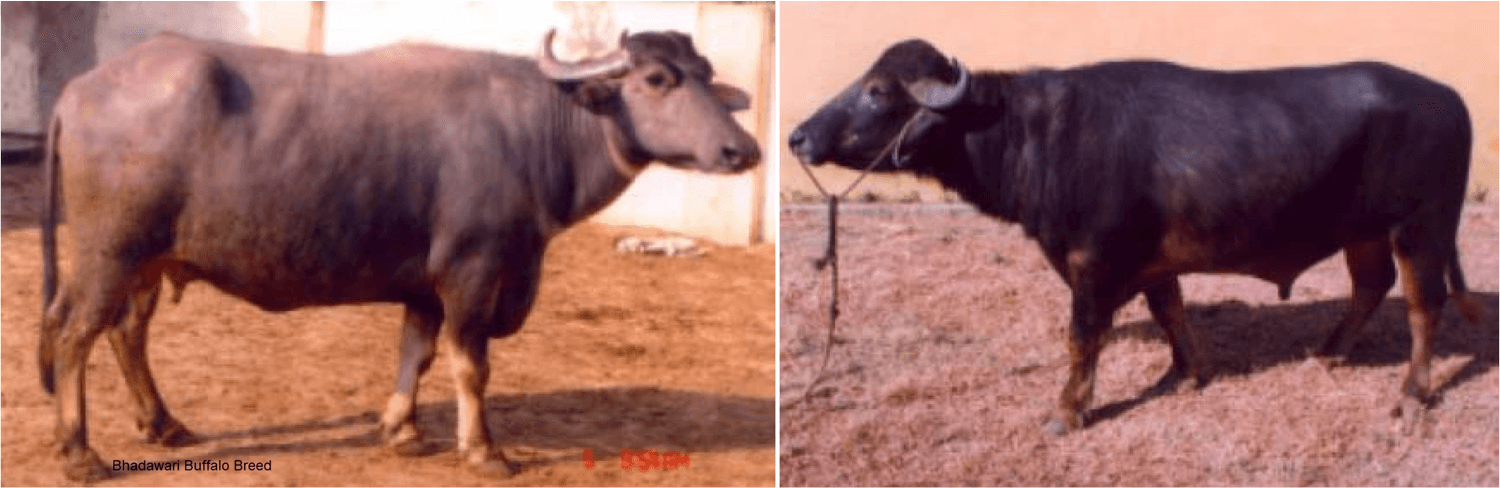
Before Independence, the princely state of Bhadawar, which covered parts of present-day Uttar Pradesh and Madhya Pradesh, was well known for a breed of buffalo that still exists and is known as Bhadawari. This breed is said to produce milk that has the highest content of fat anywhere in the world. The soil, water and environment of the area is supposed to be the reason why the milk of these buffaloes is so fat-rich.
Currently these buffaloes are to be found in Agra, Bhind, Etawah, Auraiya and Jalaun near the Yamuna river, in Uttar Pradesh, and in Morena near the Chambal river and at Gwalior in Madhya Pradesh.
Also Read : Buffalo milk standards revised to 5% fat and 9% SNF by FSSAI
However, there has been a steady decline in the number of the Bhadawari buffaloes over the years. One of the main reasons is the scarcity of bulls in the particular breed. The other is the preference of farmers for the Murrah breed of buffaloes. There are fears that in a few years, the Bhadawari buffaloes will disappear.
These relatively smaller buffaloes are often reared by small and marginal farmers. The Bhadawari are suited to hot and humid climates and are found to be sturdy and resistant to diseases that normally plague cattle. The mortality rate of this breed is much lower when compared to other breeds.
Also Read : Milk Olympics : Difference between Black gold and Desi silver reduces
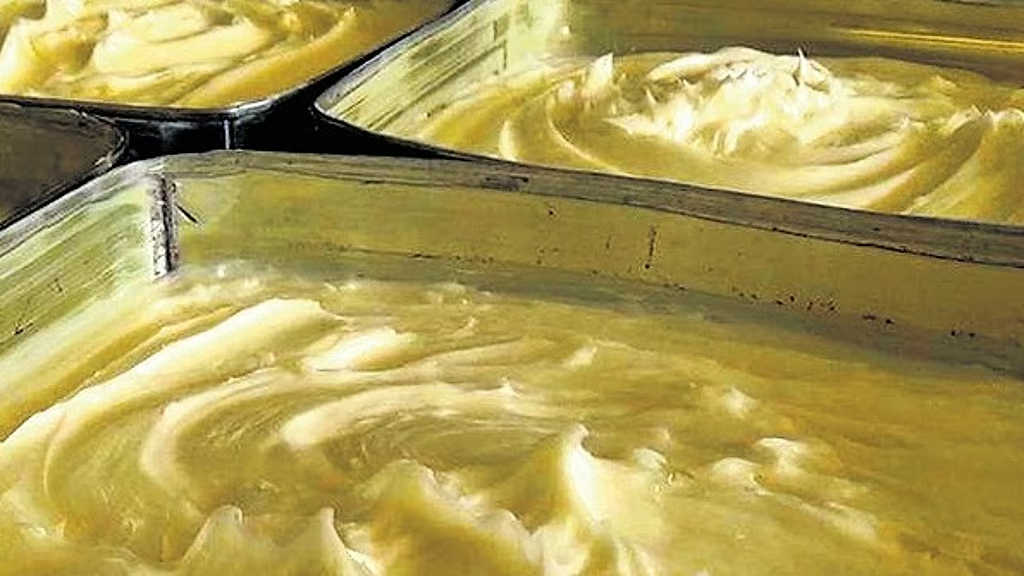
On an average, a Bhadawari buffalo gives approximately four to five litres of milk a day, and the fat percentage in the milk is anything between 8.5 to 14 per cent. Villagers believe that from milk collected over eight days from a single Bhadawari, nearly five litres of ghee (clarified butter) can be obtained. Dairy farmers who own Bhadawari buffaloes, say these are low maintenance cattle, but they bring in a good bit of money.
The aim of the initiative is to keep the breed alive and develop superior specimens of buffaloes. This is necessary as in the face of environmental and climate inconsistencies, it is the Bhadawari breed that is the most suited to withstand the changes.