Latest Blogs
See More
Indian Dairy News
DairyNews7x7
Global Dairy News

DairyNews7x7

On the inaugural day of 2024, I reflect on the significant insights gained from the past year. It was a uniquely challenging year marked by the consistent availability of milk, leading to an unprecedented surplus in dairy commodity stocks that continues to grow. The relatively colder climate, coupled with summer showers, posed challenges to the sales of fermented milk products, ice creams, and dairy beverages. Additionally, global dairy prices did not favour exports from India. Here are five key learnings from the past year:
Climate change is now an undeniable reality. In 2022, we witnessed an early onset of summer in February, while in 2023, widespread showers throughout the country dampened sales of impulse products. It’s crucial to acknowledge and prepare for these climate shifts. Observers noted the dual impact of climate on milk production and the surplus stocking of dairy commodities. Unfortunately, the darker side of human behavior, guided by the principle of “Greed is Good,” led to an inundation of warehouses with milk powders and butter.
The absence of a centralized data source on milk prices and commodity stocks resulted in a chaotic scenario. Assessing the losses incurred in stocking high-priced commodities and subsequently releasing them at lower prices proves challenging. However, my primary takeaway is that industry stakeholders must collaborate, leveraging their collective wisdom to avoid speculation and navigate uncertain terrain.
It is believed that the first English food law – the Assize of Bread – was proclaimed by King John of England in 1202, prohibiting adulteration of bread with ingredients such as ground peas or beans. American colonists enacted a replica of the Assize of Bread regulation in 1646, and later passed the Massachusetts Act Against Selling Unwholesome Provisions in 1785, which is believed to be the first U.S. food safety law.
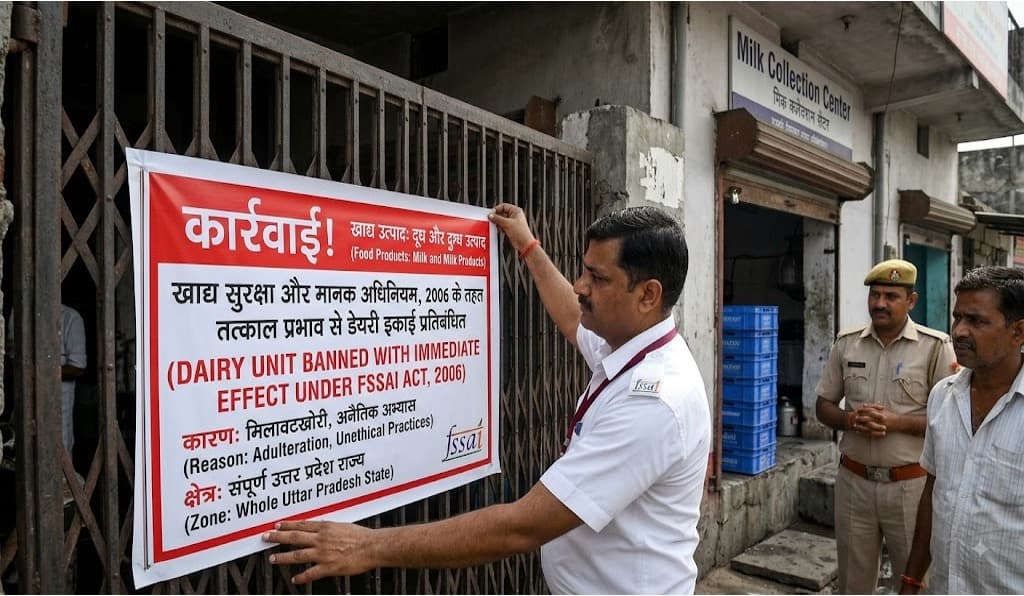
Adulterated and contaminated milk poses a slow, insidious threat. The absence of immediate, severe consequences to date doesn’t validate that everything is right. Emerging issues like Antimicrobial Resistance (AMR) forecast 10 million deaths by 2050, with 20% attributed to India alone. Livestock products significantly contribute to antibiotic carriers. Over 15 commonly used chemicals, five heavy metals, and numerous contaminants, including pesticide residues, lack adequate regulation. In a reality where we mourn the loss of loved ones to cancer and fatal ailments almost every year, can we confidently assert the safety of the food around us? This urgency amplifies, especially when samples of human milk reveal the presence of microplastics.
Now is the critical juncture for comprehensive precautions across the dairy value chain. Dairy companies must not rest on the laurels of their existing food safety efforts; they should extend their diligence even to seemingly minor details like ensuring proper hygiene practices, such as providing soap in workers’ toilets.
1. Production of milk is of no meaning without a ready market.
2. Procurement of milk and market demand are not rigidly linked with each other.
3. Procurement activities must be carried out by focussing at the markets with a capacity to give enough profits to the farmers.
The government is actively promoting milk production, primarily through breeding programs and expanding livestock numbers. Over the past eight years (2013-14 to 2021-22), India has witnessed a remarkable 61% increase in milk production, reaching 230.58 million metric tonnes. The immediate goal is to elevate India’s market share from 24% to 33% by 2030, considering its current less than 0.5% share in the $100 billion global dairy trade.
The surge in milk production this year has disrupted the equilibrium of demand and supply. Although the government is yet to release the National Sample Survey Office’s (NSSO) per capita spending on milk and milk products report, it is anticipated to be disclosed next year post-election. Notably, the domestic demand may not align with the overall milk production, leading to surplus milk in the market.
Looking ahead, there is a need to shift focus from merely increasing cattle population to converting unorganized dairy supplies into the organized sector. This strategy aligns more closely with the principles of Dr. V Kurien, especially considering the changing dynamics of the current times. It is crucial to balance production with market demands and promote efficiency in the dairy sector.
Stray livestock, which gather at garbage dumps and weave through traffic, lead to thousands of road accidents each year; between 2018 and 2022, they caused more than 900 human deaths in the northern state of Haryana alone.
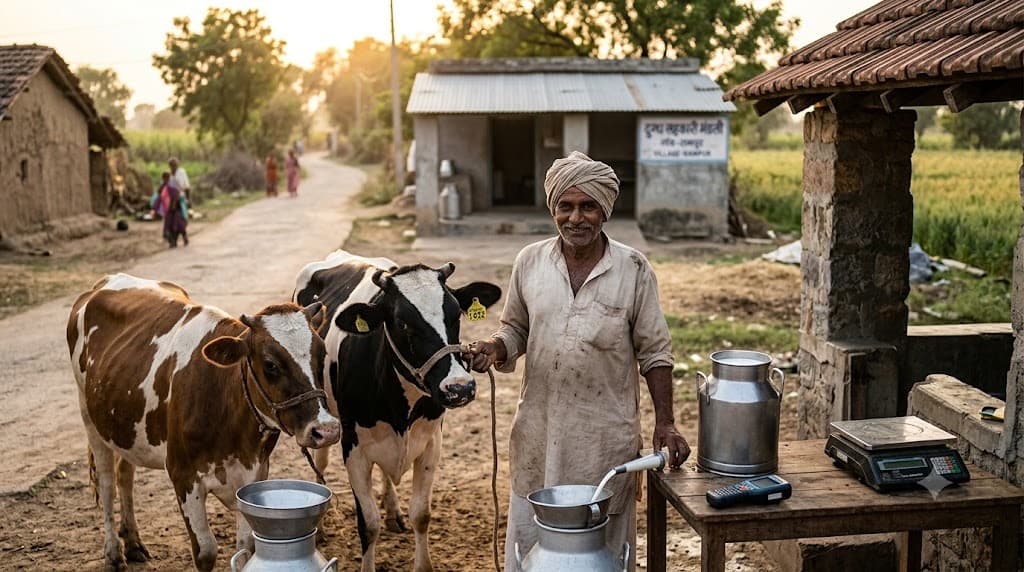
This year, I again had the opportunity to interact with dairy farmers in various states, and I observed three critical challenges they are facing. Firstly, there was a notable disparity between the prices of milk and the cost of cattle feed. Secondly, despite their cattle being well beyond 200 days in milk, farmers were just indifferent to getting the animals pregnant, adopting a form of family planning for their cows. Thirdly, farmers were grappling with space constraints at home, primarily due to older animals, and were uncertain about the appropriate course of action for male calves or aged and ailing animals.
Despite the reverence we hold for cows as sacred animals, the welfare of cows in our country is distressingly subpar. Farmers find themselves guarding their crops throughout the night against stray cattle, underscoring the urgent need for improved cow welfare.
Policy makers must address the escalating challenge of unproductive, ailing, aged, and male calves and heifers, many of which serve no practical purpose. Some of these animals may even carry zoonotic diseases, posing a risk to human health. In 2024, the government could consider implementing provisions for scientific culling under the One Health program, establishing protocols for the humane culling of non-utilitarian animals. This approach would not only provide relief to farmers by creating more space at their homes but also contribute to the safety of cities and highways.
SAARC countries collectively import nearly $1 billion worth of dairy products, with Bangladesh and Sri Lanka accounting for a significant 75% of these imports. Surprisingly, India’s share in this regional trade stands at a mere 12.5%. Notably, the predominant category in this dairy trade is milk powder (0402), and Bangladesh’s sole imports of milk powder in 2022 were equivalent to India’s total dairy exports worldwide. Despite India actively engaging in diplomacy, especially through Free Trade Agreements (FTAs) with developed nations, dairy often becomes a contentious issue in these agreements.
While intra-regional trade is thriving in Europe and Asia, the SAARC region lags significantly behind, accounting for only 3% of its trade. In 2022, 68% of European exports and 59% of Asian exports were to neighboring countries. It is imperative that India, as a leading player in the region, fosters stronger ties to bolster intra-SAARC trade, akin to a big brother role. Looking ahead to 2024, the aspiration is to double India’s share in the SAARC region from 12.5% to 25%, potentially clearing around 35,000 metric tons of Skimmed Milk Powder (SMP) stocks in one stroke.
As we step into 2024, my sincere wishes extend to all for a year filled with peace, purpose, and prosperity for you and your loved ones.
Source : Dairy blog by Kuldeep Sharma Chief editor Dairynews7x7