Logo
IndianGlobalBlogsPublicationsPodcastsMarketAboutContact
Logo
IndianGlobalBlogsPublicationsPodcasts
7News
Rajahmundry Milk Crisis: 4 Dead, Dozens HospitalisedRajasthan Minister Links Cow Milk to IntelligenceAavin Salem Plant Marks 40 Years with 10 Milkshake Variantsa2 Milk to Launch Pediatric Supplements in ChinaRussia Dumps Milk Amid Dairy Overproduction Crisis

Indian Dairy News

Rajahmundry Milk Crisis: 4 Dead, Dozens Hospitalised
Feb 24, 2026

Rajahmundry Milk Crisis: 4 Dead, Dozens Hospitalised

The death toll in a suspected milk contamination and anuria (absence of urine) incident in Rajahmundry has risen to four, triggering an intensive investigation into whether adulterated milk sup...Read More

Rajasthan Minister Links Cow Milk to Intelligence
Feb 24, 2026

Rajasthan Minister Links Cow Milk to Intelligence

Rajasthan’s Education Minister Madan Dilawar stirred controversy after claiming that drinking milk from indigenous cows makes children “active and intelligent,” while those who drink buffalo mi...Read More

Aavin Salem Plant Marks 40 Years with 10 Milkshake Variants
Feb 24, 2026

Aavin Salem Plant Marks 40 Years with 10 Milkshake Variants

The Aavin dairy unit in Salem is celebrating four decades of operation by anchoring the cooperative federation’s milkshake programme with 10 diverse flavors that have become hugely popular across Tami...Read More

DairyNews7x7
Advertisement

Latest Blogs

See More
India’s First Cow Culture Museum in Mathura
Feb 16, 2026

India’s First Cow Culture Museum in Mathura

India’s first national “Cow Culture Museum” is set to be established in Mathura, Uttar Pradesh, on the campus of Pandit Deendayal Upadhyaya Veterinary Science University, announced the Uttar Pradesh B...Read More

Why India’s Dairy Needs a National Fodder Grid ?
Feb 15, 2026

Why India’s Dairy Needs a National Fodder Grid ?

Recently, I moderated the Farmer's session at 52nd DIC. While deliberating on pathways for Kerala to move towards milk self-reliance, K S Mani, Chairman of Milma, articulated a compelling thought: jus...Read More

Coliform in Milk -Look Beyond Brands to Cold Chain Gaps
Feb 12, 2026

Coliform in Milk -Look Beyond Brands to Cold Chain Gaps

Recent independent lab tests have triggered alarm over coliform bacteria and high total plate counts (TPC) in popular pouch milk brands — Amul Taaza, Amul Gold, Mother Dairy and Country Delight...Read More

DDGS & Sorghum Imports: Impact on Feed and Maize Prices
Feb 09, 2026

DDGS & Sorghum Imports: Impact on Feed and Maize Prices

In a significant development under the India-US interim trade framework, India has agreed to allow duty-free imports of dried distillers’ grains with solubles (DDGS) and red sorghum from the United St...Read More

Global Dairy News

a2 Milk to Launch Pediatric Supplements in China
Feb 24, 2026

a2 Milk to Launch Pediatric Supplements in China

New Zealand-based The a2 Milk Company is gearing up to expand beyond infant formula in China with a Q3 2026 launch of four pediatric nutritional supplements under its a2 Zhi Yi brand, aiming at immuni...Read More

Russia Dumps Milk Amid Dairy Overproduction Crisis
Feb 24, 2026

Russia Dumps Milk Amid Dairy Overproduction Crisis

Massive disposal of unsold milk and surging retail prices spotlight supply–demand imbalances in Russia’s dairy sector. Russia’s dairy sector is facing an acute overproduction crisis, with authoriti...Read More

Belarus Lifts Skimmed Milk Powder Export Prices
Feb 23, 2026

Belarus Lifts Skimmed Milk Powder Export Prices

The Ministry of Agriculture and Food for the Republic of Belarus has issued a new pricing directive that raises minimum export prices for skimmed milk powder (SMP) destined for several neighbou...Read More

DairyNews7x7
Advertisement
Dairy News 7x7

Your trusted source for all the latest dairy industry news, market insights, and trending topics.

FOLLOW US
CATEGORIES
  • Global News
  • Indian News
  • Blogs
  • Publications
  • Podcasts
SUBSCRIBE TO OUR NEWSLETTER

Stay informed with the latest updates and trending news in the dairy industry.

No spam, unsubscribe at any time

GET IN TOUCH
C-49, C Block, Sector 65,
Noida, UP 201307
+91 7827405029dairynews7x7@gmail.com

© 2026 Dairy News 7x7. All Rights Reserved.

Terms of ServicePrivacy Policy
Prefer Us
Prefer Us

Is India’s position in the global dairy sector under threat?

By DairyNews7x7•Published on November 27, 2020

Is India’s position in the global dairy sector under threat?
Prefer on

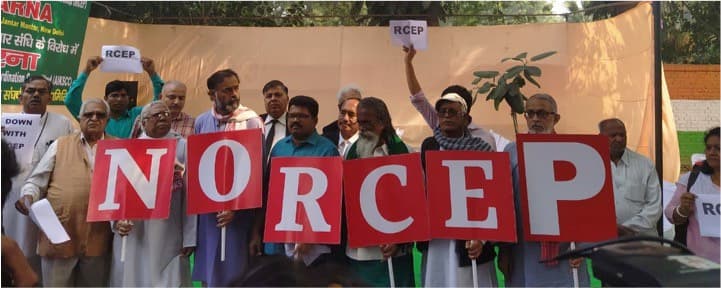
Due to protests across the country by farmers and trade unions, India has not signed the RCEP – and the dairy industry has had much to do with the government opting out.

In May 2020, India pulled out of the Regional Comprehensive Economic Partnership (RCEP) with Indonesia, Thailand, Singapore, Malaysia, the Philippines, Vietnam, Myanmar, Brunei, Cambodia, Laos, Australia, China, Japan, New Zealand, and Korea – citing its own India policy.

However, experts believe that the main hurdle came from the dairy sector. India is the world’s largest dairy producer with 187 million tonnes recorded during 2019 and has set a target of 330 Million MT by 2034. If other RCEP countries are also eyeing the Indian market, the domestic production will totally collapse, according to an industry expert.

Expert opinion

In order to understand the real reason, we spoke to a dairy expert based in Pune, Maharashtra, who wished not to be named. “With RCEP, milk and milk products from Australia & New Zealand will be dumped in India. After this dumping, procurement of milk from farmers in India will decrease,” the expert said.

Apart from this, India currently has tonnes of skimmed milk which are not yet consumed. I believe the government should not take any decision to join RCEP for a few years. If the government signs this deal, dairy farmers will suffer a lot,”

Even though India is the largest producer and consumer of milk globally, its share in milk exports is a miniscule 172,000 tonnes as per an estimate, as compared to New Zealand, which is a member of RCEP and will become the biggest beneficiary, which currently accounts for 3.5 million tonnes of milk exports.

Imports and Exports

As the majority of Indian milk is consumed domestically, companies will import from foreign companies if their prices are lower and as a result, local milk producers will suffer, thereby damaging local dairy farmers’ livelihoods.

In India, over 100 million people are associated with dairy sector destroying this sector by signing a free trade pact would be a decision no government could take. If the government wants to move forward, the dairy sector should be left out of the free trade pact, the expert said.

If other RCEP countries are also eyeing the Indian market, the domestic production will totally collapse and India will become a net importer of dairy products at the cost of Indian milk producers, the expert stressed.

A dairy farmer from Nasik, Rajendra Pawar, said it would be disastrous if India were to sign the RCEP agreement – how can a farmer compete with importers? The dairy traders can flood the market with cheap milk and milk products. Whatever the government says, small dairy farmers and small co-operatives would be wiped out within a few years. The RCEP would destroy our co-operative system in no time, which took us many decades to build.

India as top milk producer

India is the top milk producer globally and it is also a country where traditional and modern farming practices are very much intertwined. With milk demand in India on the rise there are still many challenges that dairy farmers are facing.

Economist BM Kumaraswamy said that the agreement posed a major threat to the country’s co-operative dairy sector. Over the years, India has built a very social cooperative system that involved small milk producers. The co-operatives are owned by these small producers, and not by companies. In New Zealand, on the other hand, these are owned by companies, and 90% of the milk the country produces is exported.

If milk and milk products are allowed to be imported, this will lead to very tough competition. Milk prices will collapse and this could cause severe harm to our co-operative system of milk production and distribution in the country, Kumaraswamy added.

Unemployment and poverty

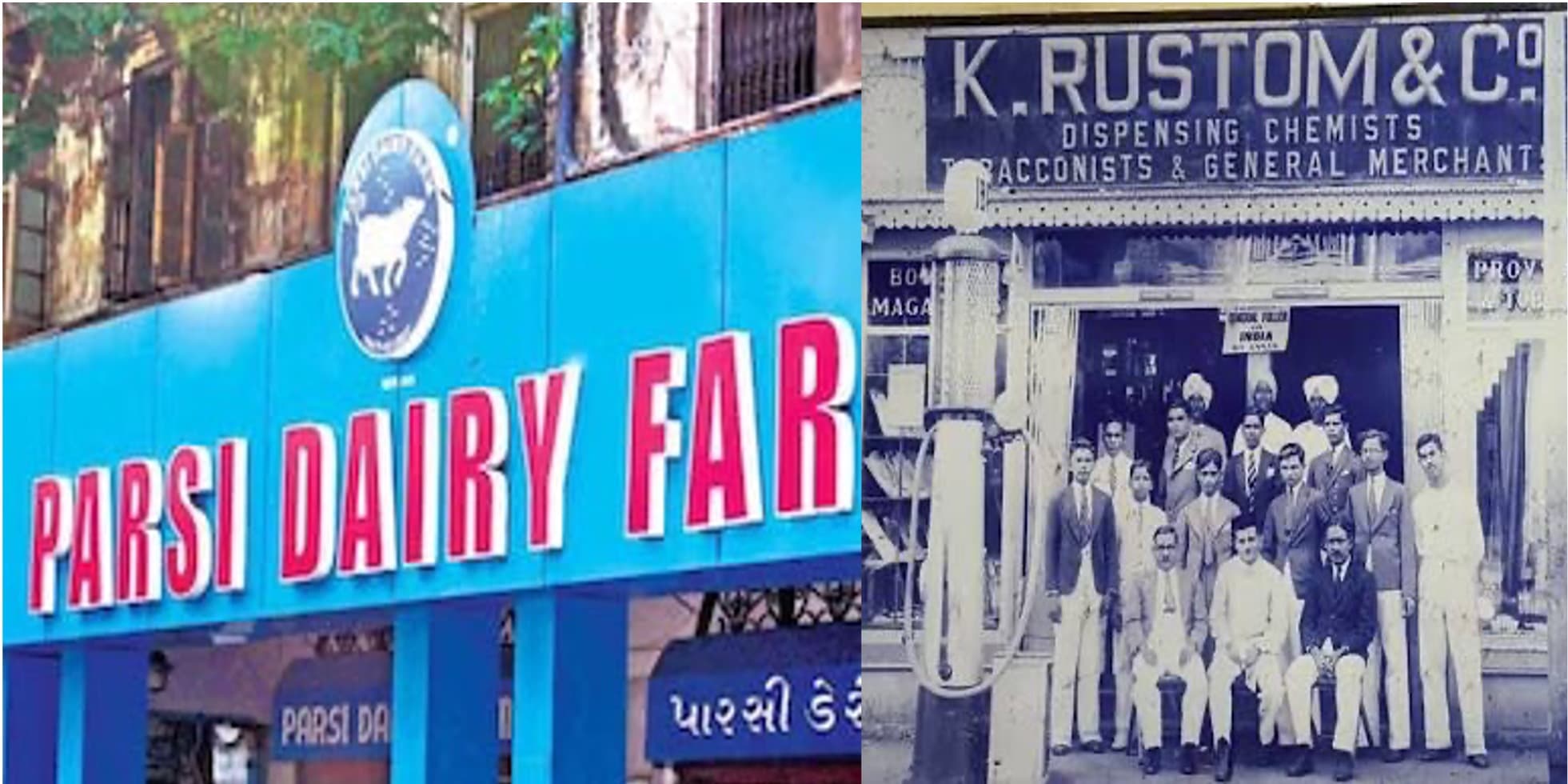
The government supporting organisation, Swadeshi Jagran Manch (SJM), has opposed the RCEP agreement and claimed that it would add to unemployment and poverty. Speaking on this development, a source within the Mumbai-based Parsi Dairy Farm said, “The current central government made a wise decision by pulling out of the RCEP agreement, or else it would have pushed many small dairy farms out of business which are catering to tier 1 and tier 2 cities.”

Hygiene and quality of dairy products have become a very important issues after a recent survey report by the Food Safety and Standards Authority of India (FSSAI) found that most of the milk consumed in the country is adulterated.

According to a report on India’s dairy sector, for the next 20 years it would be foolish to allow the import of milk as it would contribute more than 60% of the incremental milk the world will produce in the next 15 years. The overall share of the world milk production will grow to 31% compared to 20% at present from the 14% as of the beginning of 2000.

NDDB – Neeti Aayog report

The report was carried out by the National Dairy Development Board (NDDB) and NITI Aayog, a policy think tank of the Indian government established with the aim to achieve sustainable development.

Managing director RS Sodhi of India’s biggest cooperative’s Gujarat Cooperative Milk Marketing Federation Limited (also known as Amul) has also written a letter to Commerce and the industry minister Piyush Goyal, highlighting that “The situation will be unimaginable if the Government of India pursues similar FTAs with EU and grants the USA market access to the.”

The letter also mentioned New Zealand’s commercial interests and the real reason it’s pushing for the deal, saying that it produces 14 times more than its local domestic requirement and is looking for new markets. India, being the largest consumer of milk in the world, has been its target market for last 2 decades.

The long-term trend analysis conducted by NDDB, Ministry of Agriculture, Niti Aayog, OECD- FAO Dairy Agricultural Outlook 2019-2028 and the International Farm Comparison Network said that India’s dairy growth in production and consumption will continue for the next 2 decades and more, according to Amul Vice-Chairman Jetha Bharawd.

Contribution to the GDP

The dairy industry is very important to the Indian rural economy and is the largest contributor to the agricultural Gross Domestic Product. In the 2018-19 Economic Survey it was found that more than 50% of India’s Dairy sector is run by the unorganised sector, meaning local farmers or those involved only in the dairy business.

In order to check low productivity for dairy farmers, India based Stellapps is providing end-to-end dairy technology solutions to farmers.

In his letter, Maharashtra-based Swabhimani Shetkari Sangathan (SSS) founder Raju Shetti said, “By signing RCEP, India will open its door for cheap dairy imports. If India signs the pact, millions of dairy farmers would be under threat.”

India currently accounts for 20% of world production and for the last 4 years has been growing at a rate of 6.4% annually, against the global growth rate of 1.7%

Shetti also stressed that homegrown brands like Amul, Mahanand, Aarey, Gokul, and others would not be able to match the competitive market and eventually will lose to foreign players.

Stay Updated

Get the latest dairy industry news directly in your feed.

Prefer Us on Google Search

Swipe to continue reading

Previous Article

Next Article