Latest Blogs
See More

Indian Dairy News

DairyNews7x7
Global Dairy News


DairyNews7x7
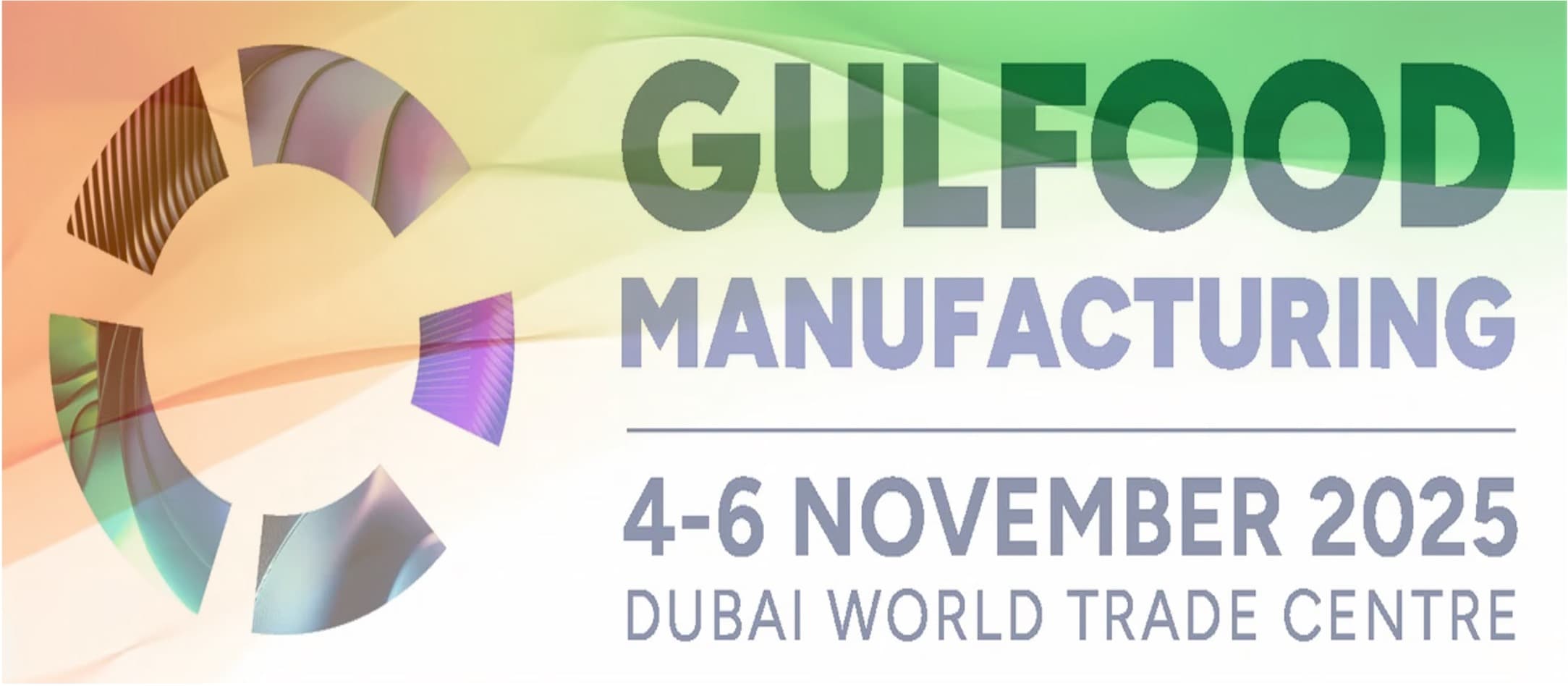
As Gulf Food Manufacturing prepares to open its doors from November 4–6 in Dubai, Indian dairy product and equipment manufacturers have a unique opportunity to explore one of the most promising regions for dairy growth — the United Arab Emirates and the wider Middle East. With its rapidly growing population, premium consumption patterns, and ongoing investments in dairy processing, the region is looking beyond traditional suppliers. India, with its strong dairy base, cost competitiveness, and emerging expertise in equipment and technology, is well-positioned to expand its footprint.
Market Landscape and Demographics
The UAE’s dairy market, valued at around USD 4.8 billion in 2024, is projected to grow steadily at a CAGR of about 4.3% till 2033. The broader Middle East dairy sector, worth USD 19.5 billion in 2025, is forecast to grow at about 4.6% annually through the decade. Within the GCC, the market value is estimated at USD 11.05 billion in 2024, expected to touch nearly USD 18.5 billion by 2034. Saudi Arabia continues to hold the largest share, roughly 32% of the regional dairy market, followed closely by the UAE.
The UAE’s population of 11.3 million represents one of the most diverse consumer bases globally — with Emiratis, expatriates from South Asia, and western professionals influencing market dynamics. Consumption patterns are shifting from basic milk and powders toward value-added, fortified, and health-oriented dairy products. The Middle East, with its hundreds of millions of consumers spread across Saudi Arabia, Egypt, Iraq, Kuwait, Oman, Qatar, Bahrain, Jordan, and Lebanon, presents differentiated opportunities depending on local preferences and infrastructure maturity.
Dairy Consumption and Product Preferences
Cheese, butter, yogurt, and fortified milk dominate retail shelves across GCC supermarkets. Cheese and yogurt are among the fastest-growing categories, driven by urban demand for convenience and protein-rich foods. Powdered milk (WMP/SMP) remains a strategic product, serving both industrial and retail markets, though most of it is sourced from New Zealand and Europe. In contrast, ghee and clarified butter enjoy large demand within expatriate communities, particularly South Asians.
The region also exhibits increasing interest in camel milk and its derivatives, functional yogurts, and fortified dairy beverages — products that balance tradition with health trends. For Indian exporters, this creates an opening not just in traditional dairy exports but also in new-age, value-added formulations aligned with premium and halal standards.
India’s Share and Product Mix in the Region
India’s dairy export sector is gaining traction globally. In FY 2024–25, India’s dairy exports reached about USD 493 million, marking one of its strongest performances. The UAE remains among India’s top destinations for dairy exports, with shipments valued around USD 90–100 million annually in recent years.
The key Indian exports to the Gulf include ghee, butter, milk powders, and some cheese varieties, aligning well with both the retail and foodservice segments in the UAE and Saudi Arabia. As per APEDA and DGCIS data, the UAE, Saudi Arabia, Qatar, and Libya feature among the top importing countries of Indian dairy products. These trends underline the region’s trust in Indian-origin dairy while signalling that there is room to move up the value chain through branding, packaging, and consistent quality assurance.
Technology and Equipment Demand in GCC Dairy Sector
The Gulf region’s dairy industry is moving toward modern, automated, and energy-efficient processing lines, creating strong opportunities for Indian equipment manufacturers. The most sought-after technologies include:
Emerging Markets within the Region
While Saudi Arabia and the UAE remain the most lucrative markets, emerging opportunities are visible in Egypt, Iraq, Kuwait, Oman, Qatar, Bahrain, Jordan, and Lebanon. Each country presents a distinct product and technology requirement:
Regulatory and Quality Expectations
The region’s regulatory ecosystem is strict yet transparent. Indian suppliers must adhere to GCC/GSO standards, ESMA labeling norms, and Halal certification protocols. The Gulf Standardization Organization (GSO) sets product specifications, while the Emirates Standardization and Metrology Authority (ESMA) ensures compliance with Arabic labeling and packaging rules. Arabic text, shelf life, ingredients, nutritional panels, and batch traceability are mandatory.
Buyers also demand globally recognized food-safety management systems such as FSSC 22000, ISO 22000, or HACCP certification, along with third-party laboratory test reports and Certificates of Analysis (COA). Halal certification remains non-negotiable across most GCC countries. For equipment manufacturers, hygienic design, 316L-grade stainless steel finishes, CIP compatibility, and traceable materials are baseline requirements.
In short, buyers in the Gulf evaluate suppliers on documentation, reliability, and food-safety compliance as much as on price. The region rewards consistent quality over opportunistic low-cost offerings.
Competitive Landscape
The Middle East dairy market is dominated by global OEMs like Tetra Pak, Alfa Laval, GEA, and SPX (APV), which have long-standing partnerships and local service networks. They lead in turnkey UHT, spray drying, and membrane systems, as well as digital automation and hygienic design. Regional integrators and European mid-tier firms also compete aggressively on service speed and energy-efficient technologies.
For dairy product exports, New Zealand, Europe, and the United States are perceived as premium-origin suppliers of cheese and milk powders. However, Indian exporters enjoy a distinct advantage in ethnic products such as ghee, paneer, and traditional sweets, alongside their ability to produce Halal-certified products at competitive prices.
Indian equipment manufacturers can gain market share in medium-scale and modular plants, provided they emphasize total cost of ownership, local service presence, and quality assurance. Establishing a small technical support base or partnership in the UAE can significantly improve their competitiveness.
Strategic Recommendations for Indian Companies
For equipment manufacturers:
As the Gulf cannot match domestic milk supply with surging demand, much of the region’s cheese, paneer, yogurt, condensed milk and other value-added lines are manufactured from reconstituted or recombined milk—a commercial necessity that transforms imported WMP/SMP and dry ingredients back into standardized liquid or processed bases for further value addition. Reconstitution and recombination technologies (spray-dry feed handling, low-temperature rehydration, protein standardization, membrane concentration and blending/CIP systems) allow processors to deliver consistent cheese curd properties, uniform yoghurt mixes and stable UHT/condensed products despite variable raw-milk availability; academic and industry studies show recombined milk can be used successfully for many cheese types when process parameters are optimized.
Market dynamics underline the scale of this need: the reconstituted/recombined milk sector in the Middle East & Africa is growing rapidly (reported CAGR ~9.3% to 2030) as processors and foodservice operators prefer shelf-stable, logistics-friendly inputs that cut cold-chain dependency. Globally, the reconstituted milk market is large and expanding, reflecting rising demand for convenience and processed dairy formats.
Alongside recombination, camel-milk processing is emerging as a parallel opportunity in the UAE and Gulf: the UAE camel dairy market was valued at about USD 255 million in 2024 and is projected to expand at ~6.2% CAGR to 2033, spurring investment in camel-specific spray-drying, fractionation and powder-stabilisation technologies to create shelf-stable powders, infant/nutritional formulations and specialty dairy SKUs. Converting camel milk into powders and other value-added formats requires tailored evaporation/spray-dry and formulation expertise because of its unique protein and fat matrix—another immediate demand area for equipment and process suppliers.
In short, the Gulf’s structural supply gap makes reconstitution/recombination and camel-milk processing technologies not optional but strategic — they are central to producing consistent, high-value dairy products (cheese, paneer, yogurt, condensed and powdered forms) that meet retailer, HORECA and export specifications across the Middle East. Manufacturers that can offer robust, low-energy spray-dryers, membrane systems, accurate dosing/blending and hygienic CIP automation will directly address the region’s operational constraints and value-chain needs.
Final Thoughts
The UAE and Middle East are no longer just import destinations — they are strategic partners in global dairy growth. Buyers in these markets demand quality that meets international benchmarks, backed by traceability, hygiene, and certification. For Indian exporters and equipment manufacturers, success will depend on documented compliance, reliable service, and value-driven innovation.
European and American suppliers may dominate the top end, but India’s emerging strength in affordable, energy-efficient technologies and diverse product offerings makes it a formidable contender in the region’s next growth cycle. The upcoming Gulf Food Manufacturing 2025 offers the perfect platform to demonstrate this capability and build long-term trade linkages.
Source : Dairynews7x7 Oct 31st 2025 Blog by Kuldeep Sharma Chief editor Dairynews7x7