Latest Blogs
See More

Indian Dairy News
DairyNews7x7
Global Dairy News
DairyNews7x7

India’s packaged sweets market is now valued at ₹7,268 crore, seeing a steep surge in demand during festive seasons such as Diwali and New Year. ([Daily Jagran][1]) But beyond numbers, it’s the enduring legacy of India’s oldest sweet shops that continues to captivate taste buds and hearts.
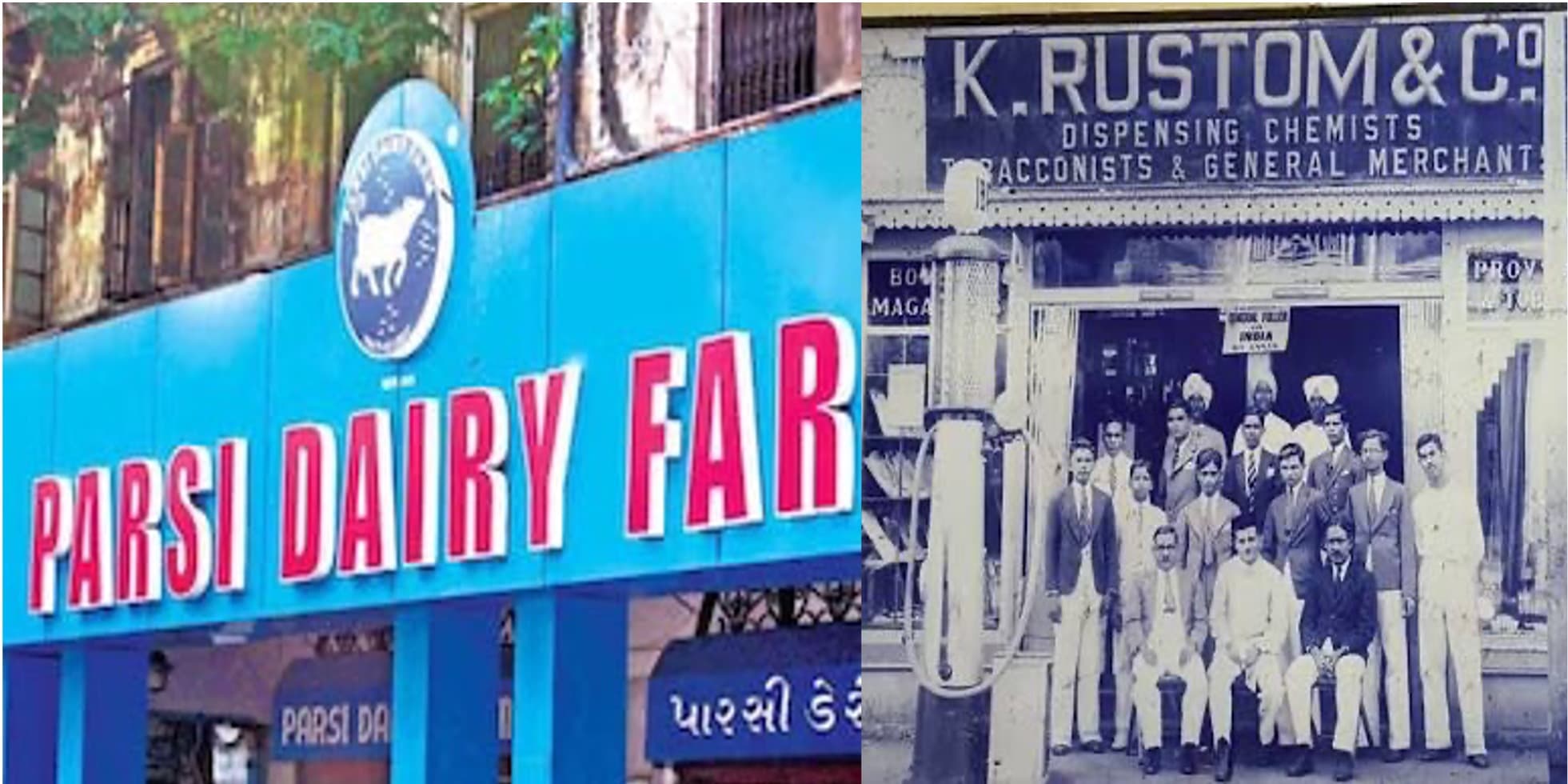
Bhagat Halwai in Agra, founded in 1795 by Lekh Raj Bhagat, is said to be the oldest halwai shop still in operation, famed for its Doda Barfi and assorted mithai priced between ₹352 to ₹800 per pack. Houses like Punjabi Ghasitaram Halwai (est. 1916), Parsi Dairy Farm (1916), KC Das, Kolkata (1866), Kanwarji Bhagirath Mal (1850), Punjabi Chandu Halwai (1896), Chaina Ram Sindhi Confectioners (1947 reestablished), and Basha Halwawala, Chennai (about 85 years old) also feature prominently in this heritage list. Each shop preserves regional flavors, handwritten traditions, and deeply cultural recipes.
These legacy sweet shops offer more than sweets; they are institutions of craftsmanship, preserving traditions of using pure ghee, hand-rolled or cooked recipes, local ingredients, and nostalgic packaging — all while adapting to modern sanitation, mild scaling, and expanding product variety. During festivals, the pull of heritage labels draws customers who seek both taste and connection to history.
| Sweet Shop / City | Founded | Signature Sweet(s) | Avg. Price Range (₹/kg) | Unique Heritage Note |
|---|---|---|---|---|
| Bhagat Halwai, Agra | 1795 | Doda Barfi, Petha | 352–800 | India’s oldest surviving halwai; 8th-gen family business. |
| KC Das, Kolkata | 1866 | Rossogolla, Mishti Doi | 400–850 | Inventor of the modern Rossogolla; legacy of Bengal sweets. |
| Kanwarji Bhagirath Mal, Delhi (Chandni Chowk) | 1850 | Soan Halwa, Dalbiji | 450–900 | Mughal-era recipes; maintains handmade production. |
| Punjabi Ghasitaram Halwai, Mumbai | 1916 | Kaju Katli, Dry Fruit Barfi | 450–950 | Among first to modernize packaging & exports. |
| Parsi Dairy Farm, Mumbai | 1916 | Mawa, Doodh Pak | 380–800 | Blends Parsi tradition with modern dairy standards. |
| Punjabi Chandu Halwai, Mumbai | 1896 | Mysore Pak, Laddoo | 450–880 | Known for its timeless recipes and pan-India reach. |
| Chaina Ram Sindhi Confectioners, Delhi | 1947 (re-est.) | Karachi Halwa, Sohan Halwa | 400–850 | Founded post-Partition; keeps Sindhi confectionery alive. |
| Basha Halwawala, Chennai | ~1940s | Halwa, Badam Burfi | 350–700 | South India’s oldest halwai, still family-run. |
India’s packaged sweets market stands at ₹7,268 crore (2025 est.) and growing steadily at ~10% CAGR.
Heritage halwais see 3–4x sales spikes during festive months, especially Diwali, Raksha Bandhan, and Eid.
Many are now experimenting with export packaging, e-commerce channels, and FSSAI-compliant production units while retaining traditional techniques.
India’s heritage mithai shops are more than businesses — they’re custodians of culinary identity. Their evolution from hand-rolled sweets to hygienic, branded packs reflects how tradition and trust still define value in the ₹7,000+ crore Indian sweets market.
Heritage as a brand differentiator: In a crowded sweets market (₹7,268 crore & rising), heritage shops differentiate not by scale alone but by lineage, nostalgic quality, and regional pride. This gives them pricing power, especially during festive periods.
Balancing tradition with modern demands: These institutions are under pressure to modernize — better hygiene, packaging, mild automation — without diluting flavour or authenticity. Many are cautiously using technology to scale portions (freshness preservation, cold storage), while retaining artisanal touch.
Pricing & affordability dynamics: Heritage shops tend to position themselves in premium sweet categories, with packs priced well above mass products. Their strength lies in a willingness among clientele to pay for perceived superior quality, tradition, and authenticity.
Festive season as growth engine: Sales spike significantly during festival seasons. The heritage label magnifies customer emotion, nostalgia, and willingness to spend, which gives these shops vital margin boosts and reinforces their market relevance.
Potential for expansion & digital innovation: Many heritage brands are exploring e-commerce, regional expansion, gifting packs, and modern retail tie-ups. The challenge is maintaining trust, flavor, and authenticity when scaling.
Cultural tourism & food identity: Heritage mithai shops are part of India’s cultural tourism identity — sweets, towns, and legacy shops draw food lovers and tourists alike. Their value is not just economic but cultural and emotional.