Latest Blogs
See More



Indian Dairy News


DairyNews7x7
Global Dairy News
DairyNews7x7

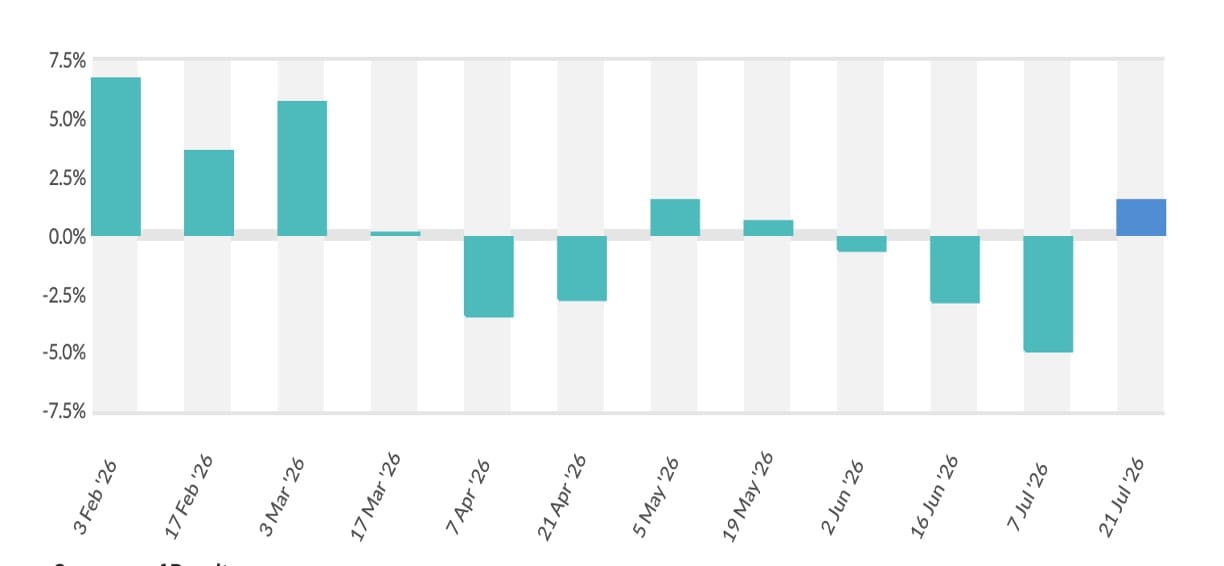
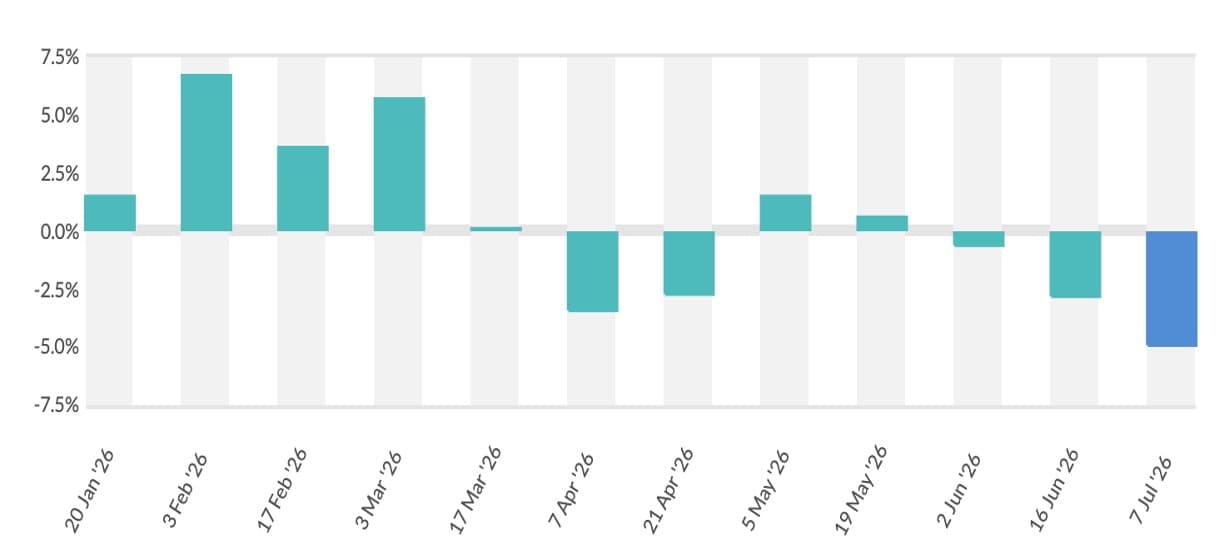
The 395th Global Dairy Trade (GDT) auction — the first of 2026 — delivered a strong rebound in global dairy prices, with the GDT Price Index climbing 6.3 % to 1,072 from 1,008 at the final auction of last year after nine consecutive declines dating back to mid-2025. This sharp uptick signals renewed optimism among buyers, reversing a prolonged price slide that dampened dairy markets through late 2025.
The January auction saw solid increases across major dairy commodities: whole milk powder (WMP) rose about 7.2 %, skim milk powder (SMP) climbed 5.4 %, anhydrous milk fat increased roughly 7.4 %, and butter gained around 3.8 %. Cheese prices also ticked higher, though the gains were smaller relative to powders and fats. Total volumes sold amounted to ~29,282 metric tonnes, with strong global participation — 177 registered bidders and 114 winning buyers — underscoring robust demand at the start of the year.
This rebound follows a persistent slump in dairy prices throughout much of 2025, where excess supply — driven by record milk production in key exporting regions — and subdued global demand exerted downward pressure on the GDT index. By late 2025, prices for products such as WMP and anhydrous milk fat had declined significantly from earlier peaks, contributing to a sequence of nine drops in the index.
Analysts point to several factors behind the sudden price increase at Event 395. Renewed demand from key markets, particularly the Middle East, and continued interest from traditional large buyers such as China have supported competitive bidding and tighter offered volumes relative to recent auctions. Additionally, dairy supply in leading exporting regions like New Zealand appears to have eased somewhat following peak seasonal production, helping rebalance the market.
Sustainability of the rally: While the index’s rebound is widely welcomed as a “recovery signal” by industry stakeholders (including milk suppliers’ associations that noted relief among farmers), caution remains. Given the structural backdrop of high milk production levels globally and uncertain near-term demand from key importers, this price rise — though meaningful — may represent a short-term correction rather than a sustained uptrend unless supported by continued demand growth and tighter exportable supply in subsequent GDT auctions.
Market implications: A stabilisation or continued modest increase in the GDT index could translate into firmer international dairy commodity values, potentially bolstering farmgate milk prices in exporting countries and supporting sector margins. However, dairy markets will remain sensitive to supply fluctuations, feed costs, currency movements and broader macroeconomic demand conditions in Asia, the Middle East and North Africa over the coming months.
Source : Dairynews7x7 Jan 7th 2026 GDT