Latest Blogs
See More



Indian Dairy News


DairyNews7x7
Global Dairy News

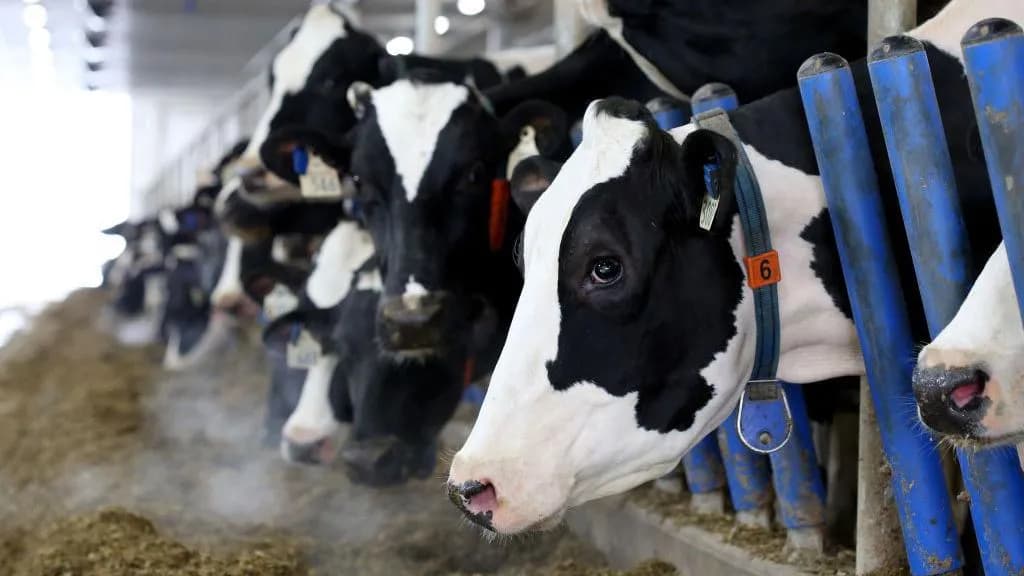

DairyNews7x7
Basically, machines powered by Artificial Intelligence can not only act, but also understand and analyze. It has the potential to revolutionize human lifestyle. AI is still at a very nascent stage and the opportunities it could unravel, is still ambiguous. It is projected that eventually, AI will bring about qualitative progress and innovation; enhancing individual and societal well-being and the common good.
Introduced in the 1950s, many AI methods have been developed or extended recently with the improvement of computer performance. Recent developments have been fueled by the interfaces created between AI and other disciplines; such as bio-medicine, as well as massive data from different fields, particularly those associated with healthcare.
We need a significant focus to exploit this technology for disruptive growth to move from the existing economy to the new digital economy. Being one of the few global economies to have implemented and perfected automated AI processes across diverse sectors; India is definitely leading in the AI usage trends. As per a study by Salesforce, India ranks third after Singapore and Hong-Kong in the Asia Pacific region; in terms of artificial intelligence readiness.
AI is one such technology which needs immediate implementation in the livestock industry. AI will help livestock farms accumulate and analyze data to accurately predict consumer behavior, like buying patterns, leading trends, etc. With increased investments, farms will be enabled to automate processes, reduce major costs and improve the quality of livestock products like milk. Artificial Intelligence, will be a disrupting inclusion into this industry.
Today local farmers and large dairy farms use fodder without much understanding of its impact on the milk. Changes in the fodder content and lifestyle of the animal, the weather and atmosphere, all of it have an impact on the production of milk and the quality as well.As Artificial intelligence and machine learning become more common and easily available, it is expected, that the use of such technology in the dairy industry will automate most of the farm processes while at the same time produce information based on the farm’s operational history.
Detailed observation by AI-powered image analysis could enable early detection of injuries and illnesses that could impact the quantity and quality of milk production.Have you ever thought how emerging technologies will affect agriculture in the long run to optimize management and profitability?
We have seen the implementation of robotic milking machines, brushes for added cow comfort, and automatic calf feeders on dairy farms across the country and world. But, imagine a data system that monitors your cows’ activities 24 hours a day, 7 days a week from lameness and estrous detection to dry matter intake (DMI). With a new technology that recognizes each cow in the barn, this dairy farmer’s dream becomes a reality.
There is a school of thought that associates AI with a dystopian future; where machines will take over or completely replace humans. However, countering such theories, there are others who believe AI to be a revolutionary technology that has immense potential; if used vigilantly and appropriately. No doubt Artificial intelligence is the future.