Latest Blogs
See More

The unfolding India–US trade framework that reduces tariffs and import costs on American goods is expected to create short-term advantages for India’s dairy processors, but stakeholders warn it could deliver a heavy blow to Indian soybean and pulse farmers if agricultural imports are liberalised too widely.
Under the deal, tariff concessions on US agricultural and food products may lower input costs for dairy product manufacturers — reducing prices for ingredients such as feed components, whey proteins and certain food additives — which could help processors improve margins and compete in value-added categories. Lower import duties on bulk dairy inputs could also encourage domestic firms to expand processing capacity and diversify product portfolios.
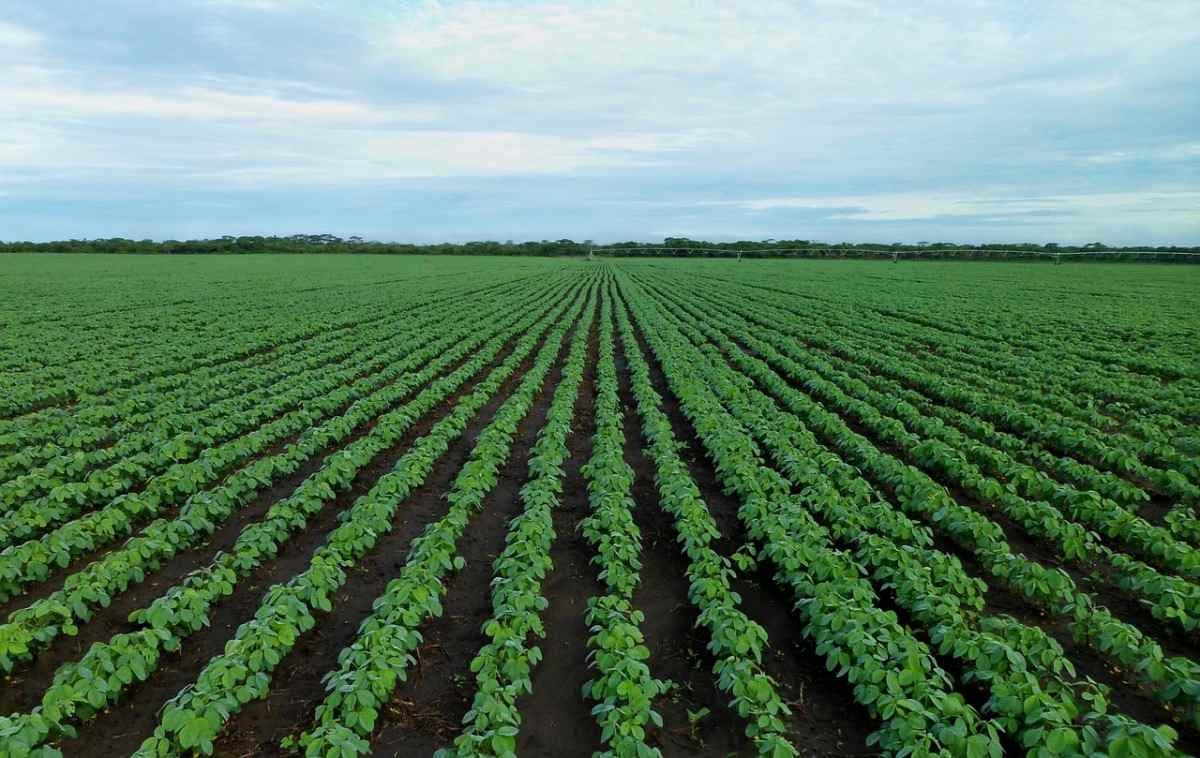
However, the flip side is concern among oilseed growers and pulse producers, particularly soybean farmers in central India, who fear that cheaper US soy, soybean meal and related products could flood the domestic market. India’s own soybean farmers already grapple with price volatility, and a surge of low-cost imports could depress local values, undermining farm incomes and rural purchasing power.
Trade analysts note that soy-based feed components — crucial for dairy cattle nutrition — represent a major cost driver for Indian dairy farmers. While access to more affordable international feed could help reduce production costs, farmers remain cautious that cheaper imports could also reduce demand for locally grown feed crops, shifting risk from processors to growers.
The broader agricultural community is urging policymakers to balance tariff reductions with targeted protections such as minimum import prices, quantity quotas or stringent quality standards to ensure that domestic producers — both dairy and oilseed — aren’t unduly displaced. There’s also a call for strengthening value chain linkages, storage infrastructure and processing incentives to make local products more competitive.
For the Indian dairy sector, the immediate impact of cheaper imported inputs could translate into lower input costs and improved affordability of certain dairy products, potentially boosting consumption and processing margins. But long-term sustainability hinges on careful regulatory calibration so that feed import benefits don’t come at the expense of soybean and legume farmers who underpin much of the rural agri-economy.
Source : Dairynews7x7 Feb 10th 2026 Read full story here
#IndiaUSTrade #DairyProcessing #AgriImports #SoybeanFarmers #FeedCostDynamics #TradePolicyImpact #RuralEconomy