Latest Blogs
See More



India’s agriculture sector — a backbone of rural livelihoods and allied industries such as dairy and livestock — is showing rising bad loan (NPA) exposure even as overall banking balance sheets appear relatively healthy, according to the Reserve Bank of India’s Financial Stability Report released on 31 December 2025. Hindustan Times
Overall gross non-performing assets (NPAs) in the banking system were reported at 2.2 % of total advances as of September 2025 — the lowest in a decade, reflecting strengthened balance sheets and improved provisioning. However, RBI data shows that **the agriculture sector accounts for the largest share of bad loans relative to its credit share, and this share has been rising steadily over time.
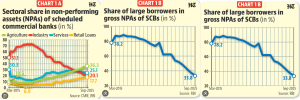
While the HT report did not specify exact figures for the agriculture NPAs in 2025, other detailed banking data highlights the broader credit stress in farm lending:
• Agricultural loans outstanding reached about ₹28.50 lakh crore as of 31 March 2025, spread across approximately 17.6 million accounts, with no current plans for a general loan waiver, according to government-reported figures.
• Farm loan defaults are pronounced in the revolving Kisan Credit Card (KCC) segment, where NPAs grew significantly in recent years — rising from ₹68,547 crore in March 2021 to ₹97,543 crore by December 2024 (a ~42 % increase over four years). This KCC segment is a major component of priority sector lending and reflects repayment stress even as overall credit outstanding expands.

• In key farming states, institutional farm credit shows substantial liabilities — Punjab farmers owe ~₹97,471 crore, and Haryana farmers owe ~₹1,00,013 crore in agricultural credit as of September 2025, part of over ₹31 lakh crore outstanding agricultural credit nationally.
Agricultural credit growth has also slowed to around 10.4 % year-on-year by March 2025, down from higher growth rates previously, indicating some pullback in lending momentum even as credit continues to expand.
Experts attribute the rising share of bad loans partly to weather volatility, delayed crop realisations, inadequate crop insurance take-up, pricing stresses and structural repayment challenges — all factors that can constrain farmers’ ability to repay loans on schedule. Structural issues like limited collateral for banks and slower recovery mechanisms in agricultural lending also contribute to the persistence of NPAs in the sector.
Source : Dairynews7x7 Jan 5th 2026 Read full story here