Latest Blogs
See More


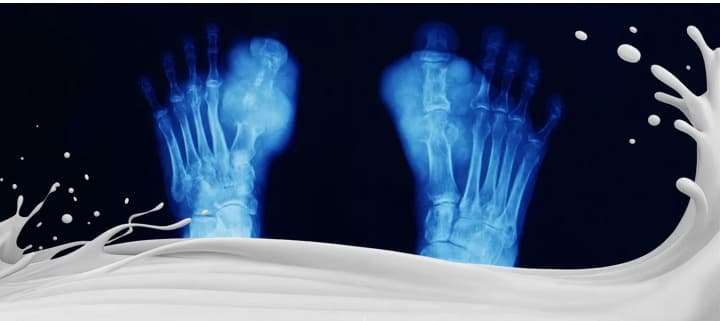
Milk and other dairy products may benefit people with gout. The proteins in dairy products can help the body get rid of uric acid and may help lower uric acid levels to prevent gout crystals.
A diet high in purines may lead to excess uric acid in the body. Purines occur in certain animal and plant foods. If uric acid builds up, it can lead to deposits of sharp crystals that cause gout.
According to the Arthritis Foundation , consuming low fat dairy products may help lower uric acid levels and reduce the risk of gout flares. Milk also contains proteins that can help the body get rid of uric acid through urine.
This article looks at how milk may affect gout, which types of milk may be best to consume with gout, and the effects of other dairy products on gout.

A 2021 research article examined the prevalence of gout in Japan and its potential link to diet.
The article author suggests that skim milk powder containing G600 milk fat extract and glycomacropeptide, a type of protein, improved joint pain and reduced gout flares over 3 months.
The Arthritis Foundation advises people with gout to drink low fat milk. Proteins in milk can help the body to get rid of excess uric acid, which may help lower uric acid levels in the blood and lessen the risk of gout flares.
The foundation also suggests following the Dietary Approaches to Stop Hypertension (DASH) dietTrusted Source. This diet advises people against consuming full fat dairy products.
However, the 2021 article looking at gout in Japan suggests all types of milk and dairy products are associated with lower uric acid levels, although low fat versions are preferable.
According to the Arthritis Foundation, cutting out high purine foods from the diet may prevent gout flares in some people.
Some high purine foods to avoid include:
People with gout can talk with a healthcare professional to weigh the benefits and risks of including these foods in their diet. Some doctors may recommend limiting these foods to smaller portions.
According to a 2020 review, the Mediterranean diet includes moderate portions of low fat dairy products each day or week, in which a portion equals one glass of milk or yogurt.
The DASH diet includes 2–3 servingsTrusted Source of low fat or fat-free dairy product each day.
According to the Arthritis Foundation, nondairy milk options are suitable for people with gout, such as:
The 2021 research article looking at gout and diet in Japan associates soy products with a lower risk of high uric acid levels. The article author suggests that soy products are essential for gout prevention in Japan.
Certain dairy products, such as cheese, are high in saturated fats. High fat intake may be associated with certain health conditions, such as cardiovascular disease and cancer.
According to the Arthritis Foundation, a nutritious, balanced diet, such as the Mediterranean or DASH diets, may be best for managing gout. This may includeTrusted Source daily servings of low fat or fat-free dairy products but may require avoiding full fat dairy products.
Milk and other dairy products may help reduce the risk of high uric acid levels and gout flares. Milk contains proteins that help the body get rid of excess uric acid.
Overall, eating a balanced, nutritious diet containing low fat dairy may benefit people with gout.