Latest Blogs
See More

Researchers have developed a new method of detecting a metabolic disease that affects dairy cows after calving. The aim is to determine whether cows are at risk of contracting the disease before they actually become sick.
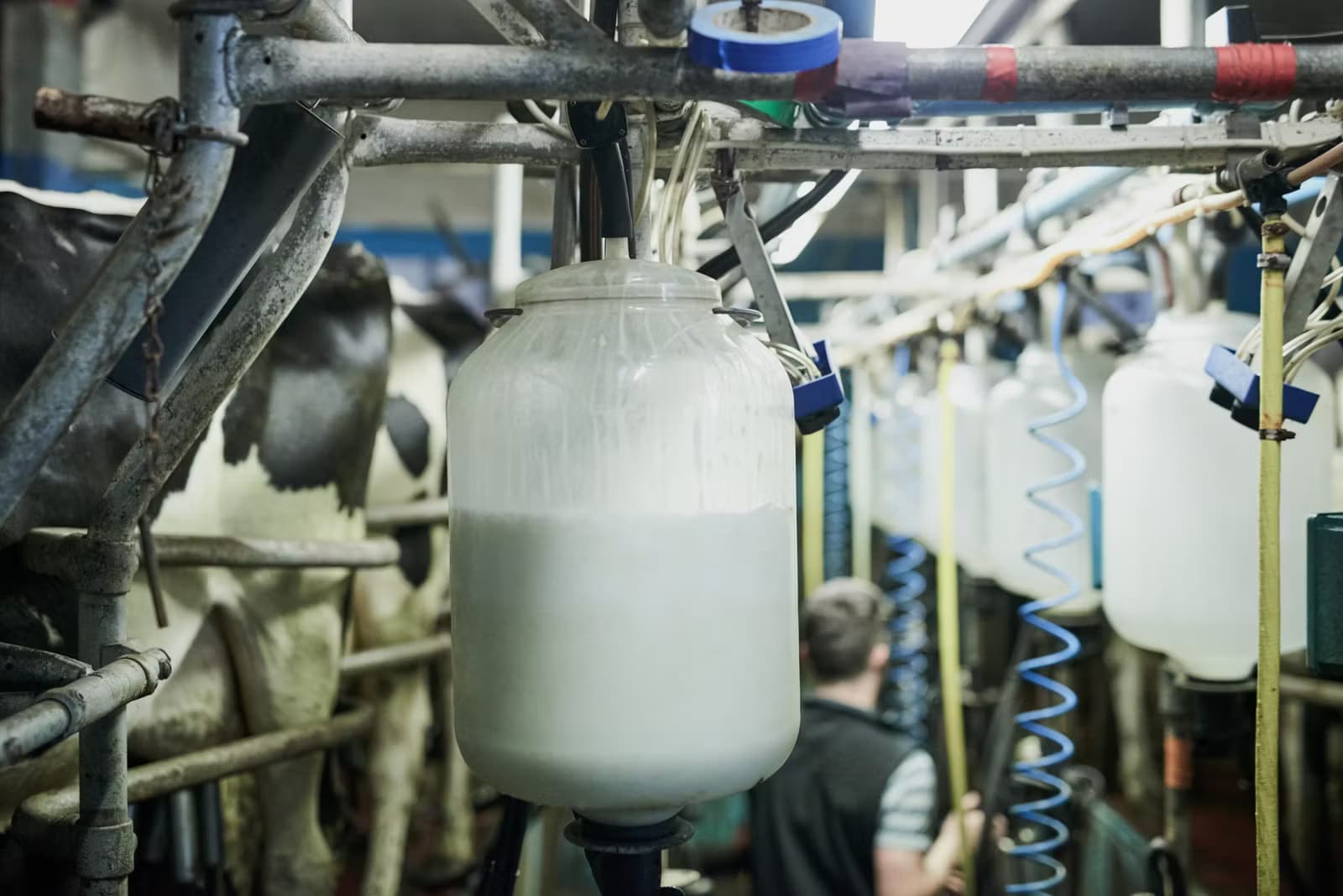
The idea behind the new method is to combine data from the analysis of a cow’s milk with other information about the cow to predict future progression in the animal’s health.
“As we become more skilled at detecting this disease at an early stage, there will be benefits for animal health, milk production, profitability and the climate,” says Professor Olav Reksen at the Norwegian University of Life Sciences (NMBU).
The project is being coordinated by NMBU, with SINTEF and the Norwegian Institute of Food, Fisheries and Aquaculture Research (Nofima) acting as project partners. The research team has used data taken from milk sample analyses to develop a model that can detect the presence of the metabolic disease subclinical ketosis.
“When a cow obtains too few carbohydrates, it resorts to burning its fat reserves in an attempt to get enough glucose,” explains Reksen. “Exactly the same thing happens when people fast. Under these conditions, a cow may contract metabolic diseases such as subclinical ketosis, among others,” he says.
Subclinical ketosis appears in between 15 and 20% of cows after they have given birth. The condition causes poorer feed uptake, lower levels of milk production, reduced fertility and an increased risk of contracting other metabolic diseases. It is common for cows to be sick for between two and three weeks, but the disease may continue for longer. To date, it has only been possible to detect subclinical ketosis by means of blood tests.
After calving, blood samples were taken from the 61 cows in order to find out if any had developed subclinical ketosis. The research team then analyzed the fatty acid composition in the samples to see if there were any indications that might reveal the disease.
“This means that we can apply mathematical methods to data from standard milk samples to help us determine whether or not a cow has contracted subclinical ketosis,” says Reksen. “It also means that we no longer have to take blood samples,” he says.
“Once we’ve fine-tuned the method, dairy farmers will be able to get feedback directly from the dairy as to whether or not their cow has the disease,” explains Reksen. “A farmer can then take action to correct any energy deficiencies at an early stage, enabling the cow to stay healthy and fertile, as well as maintain its high levels of milk production.”
“I believe that if dairy farmers have access to real-time data on each of their cows, we have the potential to revolutionize milk production,” says Rachah. “Farmers will be able to take informed decisions about nutrition and the care of their herds, which in turn will safeguard animal welfare and at the same time boost their profitability,” she says.
“When we combine data on the composition of samples with those derived from the robots, we will have a better basis for the creation of algorithms that can identify the signs that will indicate the future development of subclinical ketosis,” says Reksen. “Our aim here is to be able to predict the onset of the disease before a cow actually becomes sick,” he says.
Reksen is keen to emphasize that no two cows are the same.
“The transition towards larger herds means that it is becoming even more difficult for dairy farmers to monitor the well-being of individual animals,” he explains. “All cows are different, with their own individual characteristics. This is why we need data from each individual cow,” he says.
“So far, we have only investigated the early detection of subclinical ketosis,” he says. “However, the model is also able to reveal other diseases and health problems, such as mastitis, which also impacts on milk quality. Machine learning algorithms can also be used to develop models for predicting the likelihood of disease spread in the cowshed,” he says.
Reksen also believes that better livestock health monitoring is a key tool in the battle to mitigate climate change.
“Healthy dairy cows help to keep a lid on Norway’s climate footprint. Norwegian cows have only half the footprint compared with the global average,” he says.
Source : Phy Org Sep 5th 2023