Natural Dairy Trans Fats May Not Raise Heart Risk

A new study led by researchers at the University of Reading has found that naturally occurring trans fats in dairy products may not increase the risk of heart disease or type 2 diabetes, challenging long-standing concerns surrounding dairy fat consumption. The research, published in the journal Nutrition Research, reviewed evidence from 10 randomized controlled trials and 12 prospective cohort studies examining the impact of trans fatty acids naturally present in dairy foods.
Researchers reported that consumption of dairy-derived trans fats ranging from 1.3 to 13.2 grams per day showed no significant adverse effects on key cardiometabolic markers including total cholesterol, LDL cholesterol, triglycerides, ApoB or cardiovascular disease risk. The study specifically analyzed naturally occurring dairy trans fats such as trans vaccenic acid and trans palmitoleic acid, which were not associated with increased incidence of cardiovascular disease, mortality or type 2 diabetes.
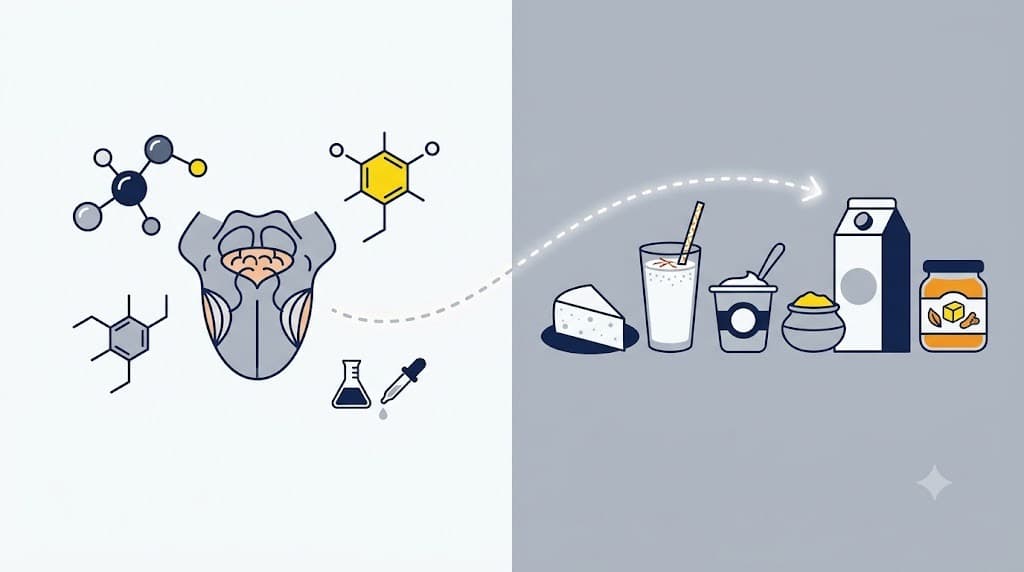
Researchers observed only a slight decrease in HDL (“good”) cholesterol levels in some analyses. The findings come as industrially produced trans fats continue to be phased out globally, making dairy products a relatively larger source of naturally occurring trans fats in modern diets. Experts involved in the study said the results highlight important biological differences between industrial trans fats and naturally occurring ruminant trans fats found in dairy foods. However, health authorities still recommend balanced consumption of saturated fats as part of an overall healthy diet.
Source: Dairynews7x7 24 May, 2026 Read full article here