Logo
IndianGlobalBlogsPublicationsPodcastsMarketAboutContact
Logo
IndianGlobalBlogsPublicationsPodcasts
7News
Feed Inflation Now Top Stress for India’s Dairy FarmersIndia’s Dairy Sector Rethinks Supply Trust & Nutrition StrategyU.S. Dietary Guidelines Overhaul Raises Dairy, MeatYear end review of Animal Husbandry and Dairy for the year 2025Fog & Frost Pose New Risks to Agriculture & Dairy in Punjab

Indian Dairy News

Feed Inflation Now Top Stress for India’s Dairy Farmers
Jan 09, 2026

Feed Inflation Now Top Stress for India’s Dairy Farmers

Dairy farmers across the country are facing intensifying economic stress as feed cost inflation emerges as the greatest pressure point for milk producers, with prices of all key inputs rising sharply,...Read More

India’s Dairy Sector Rethinks Supply Trust & Nutrition Strategy
Jan 09, 2026

India’s Dairy Sector Rethinks Supply Trust & Nutrition Strategy

India’s dairy industry — long anchored in high production volumes but thin value realisation — is undergoing strategic recalibration around supply reliability, consumer trust and long-term nutrition v...Read More

Year end review of Animal Husbandry and Dairy  for the year 2025
Jan 09, 2026

Year end review of Animal Husbandry and Dairy for the year 2025

Hon'ble Prime Minister inaugurates Regional Center of Excellence (CoE) for Indigenous Breeds established at Motihari with an investment of Rs 33.80 crore. Genotyping of 75000 animals from the first...Read More

DairyNews7x7
Advertisement

Latest Blogs

See More
From Forecast to Fact: 2025 Lessons, 2026 Dairy Outlook
Jan 01, 2026

From Forecast to Fact: 2025 Lessons, 2026 Dairy Outlook

As we step into 2026, it is worth pausing to reflect on how the Indian dairy sector navigated the challenges of 2025 and how closely reality tracked the forecasts I outlined in the first blog of last...Read More

India–NZ Dairy FTA: Safeguards or Silent Slippages?
Dec 26, 2025

India–NZ Dairy FTA: Safeguards or Silent Slippages?

The recently concluded India–New Zealand Free Trade Agreement (FTA) marks an important milestone in bilateral trade, while carefully ring-fencing India’s sensitive dairy sector. Under the agreement, c...Read More

Vision 2047: India’s Dairy Development Roadmap
Dec 21, 2025

Vision 2047: India’s Dairy Development Roadmap

As India moves steadily toward Vision 2047, the dairy sector stands at a strategic inflection point. From being a food security instrument in the decades following Independence, dairy has evolved into...Read More

Global Dairy Dynamics: Innovation, Sustainability & Inclusion
Dec 18, 2025

Global Dairy Dynamics: Innovation, Sustainability & Inclusion

The International Dairy Processing Conference (IDPC) 2026, organised by the Trade Promotion Council of India (TPCI) at Yashobhoomi Convention Centre, Dwarka, New Delhi on 7 January 2026, will serve as...Read More

Global Dairy News

U.S. Dietary Guidelines Overhaul Raises Dairy, Meat
Jan 09, 2026

U.S. Dietary Guidelines Overhaul Raises Dairy, Meat

The newly released 2025–2030 U.S. Dietary Guidelines, unveiled by Health Secretary Robert F. Kennedy Jr. and the Department of Agriculture, represent a major shift in federal nutrition policy, placing...Read More

Spoiled Dairy Becomes 3D Printing Plastic
Jan 07, 2026

Spoiled Dairy Becomes 3D Printing Plastic

Researchers patent a biomaterial from wasted milk proteins, creating biodegradable 3D printing filament and a potential new revenue stream for dairy. Excess milk that once flowed down farm drains duri...Read More

Milk production declines amid rising water costs
Jan 07, 2026

Milk production declines amid rising water costs

Dairy producers across Victoria are facing a tightening operating environment, with declining milk flows and escalating water and fodder costs, according to the Dairy Australia Situation and Outlook Y...Read More

DairyNews7x7
Advertisement
Dairy News 7x7

Your trusted source for all the latest dairy industry news, market insights, and trending topics.

FOLLOW US
CATEGORIES
  • Global News
  • Indian News
  • Blogs
  • Publications
  • Podcasts
SUBSCRIBE TO OUR NEWSLETTER

Stay informed with the latest updates and trending news in the dairy industry.

No spam, unsubscribe at any time

GET IN TOUCH
C-49, C Block, Sector 65,
Noida, UP 201307
+91 7827405029dairynews7x7@gmail.com

© 2026 Dairy News 7x7. All Rights Reserved.

Terms of ServicePrivacy Policy

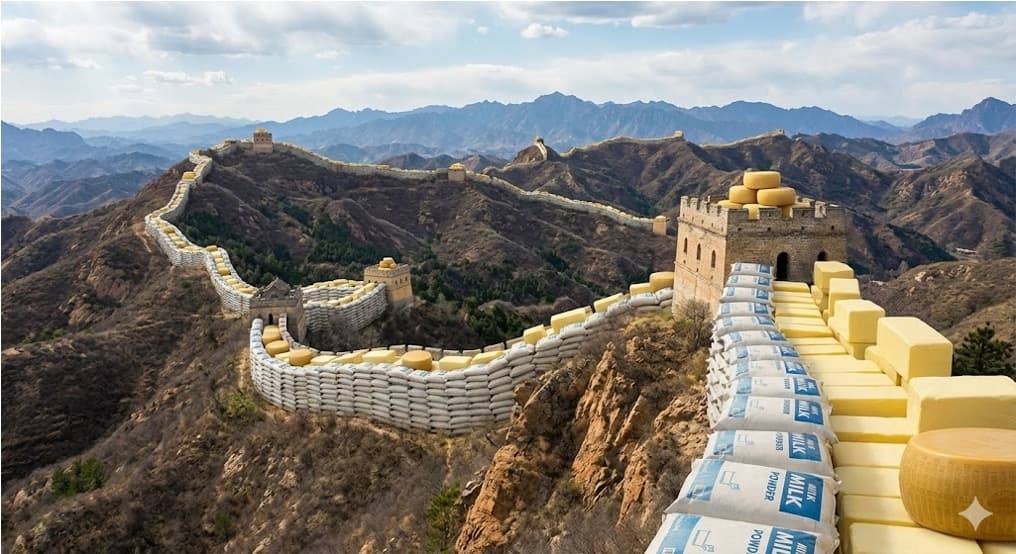
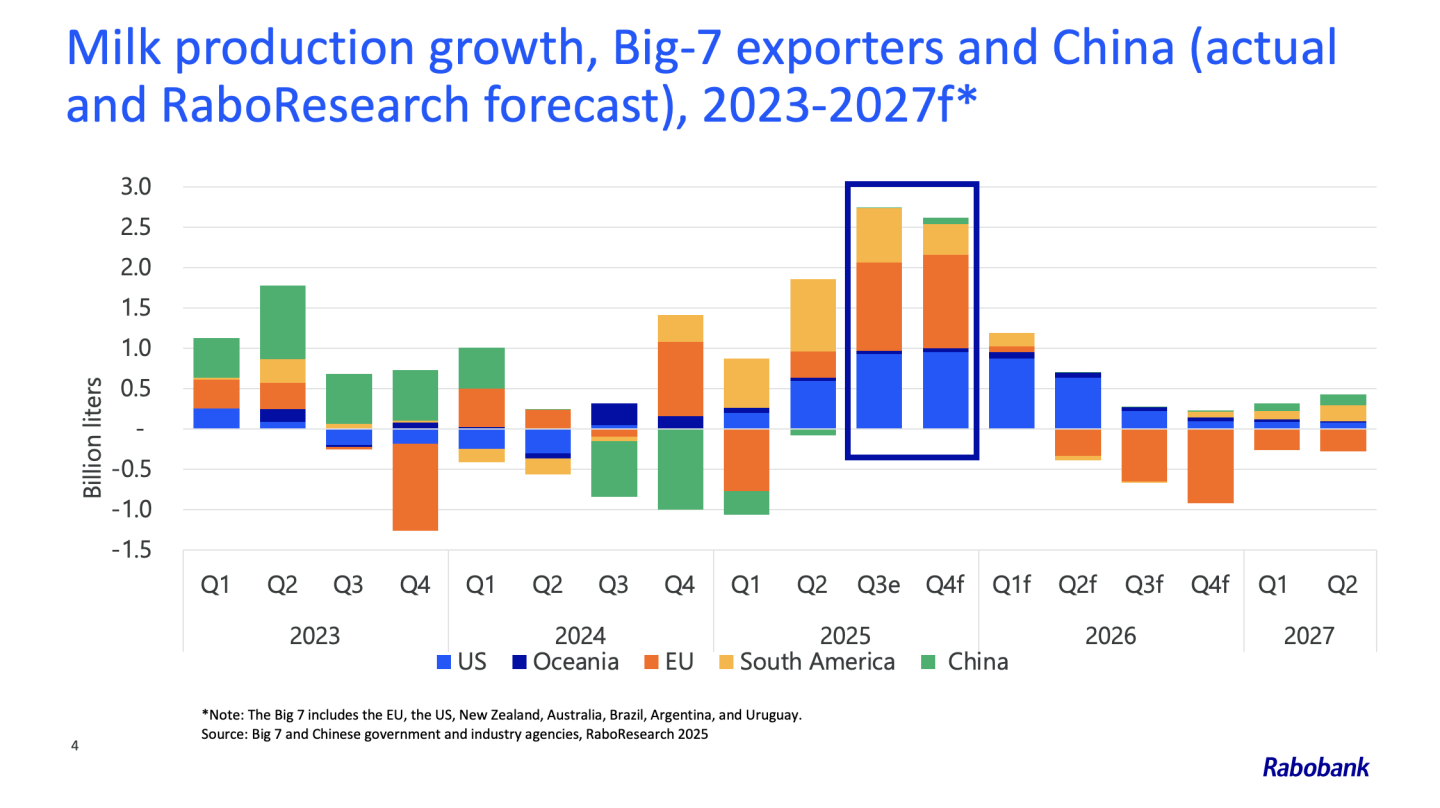
What the global “Wall of Milk” means — recent developments

By DairyNews7x7•Published on December 05, 2025

What the global “Wall of Milk” means — recent developments

  • Global milk production across major dairy-exporting regions has surged in 2025. According to an analysis cited by DairyHerd, year-to-date (through July) output among the top export markets is up by about 1% compared to 2024, adding approximately 3.7 billion pounds of milk to global supply.

  • That surplus is big enough to produce hundreds of millions of pounds of additional dairy commodities — extra cheese, butter, milk powder etc.

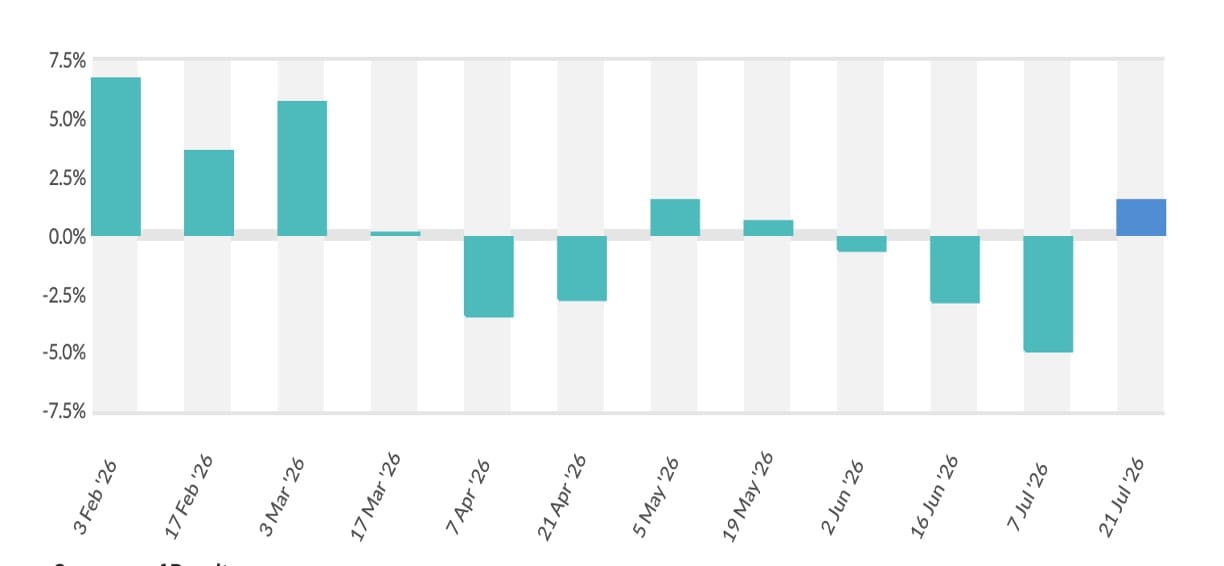
  • But global demand — both domestic consumption and international trade — is not rising at the same pace. Export markets are showing signs of fatigue, and many regions are already reporting growing inventories and falling or volatile commodity prices.

  • As a result, the “glut” is pressuring prices across the board — butter, SMP/WMP, cheese, whey, etc — squeezing margins for both producers and processors.

In short, the global dairy market is facing a structural oversupply — what analysts are calling a “global milk glut” or “wall of milk” — which is raising serious concerns about sustainability of dairy incomes and price stability.
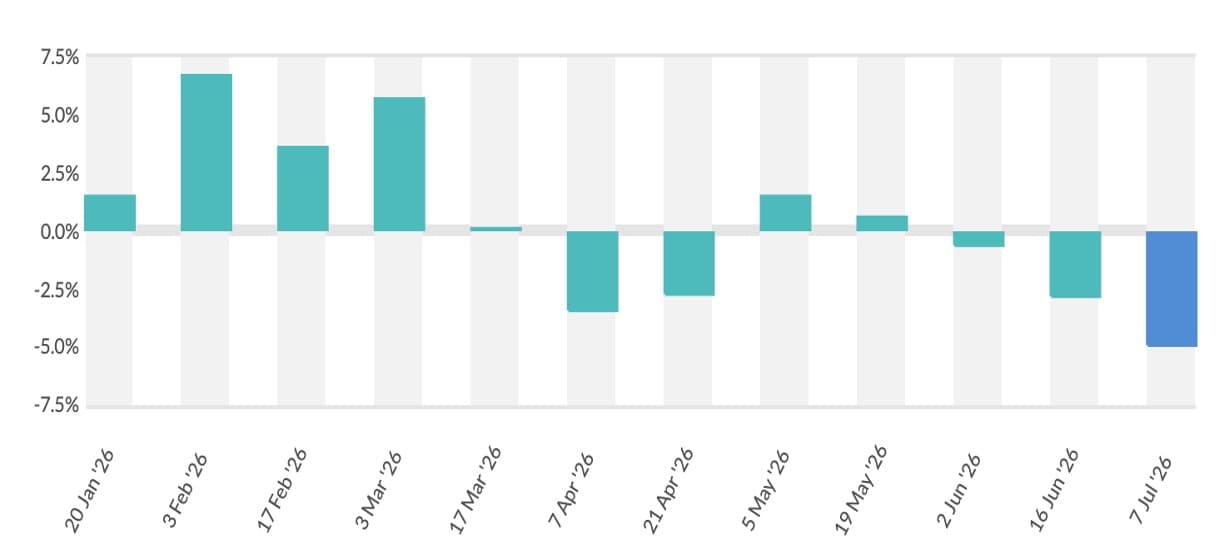
Screenshot 2025-12-03 at 11.13.38 AM.png

What this means for Indian dairy (and Indian processors / farmers)

Even though this is a global phenomenon, it has important implications for India, because:

  • India is a major global producer, and Indian processors often compete (directly or indirectly) with global commodity markets for exports (e.g. SMP, WMP, butter, cheese, etc.).

  • If global commodity prices remain depressed due to oversupply, export-oriented dairy producers in India may find margins squeezed — especially in SMP, WMP, butter, cheese.

  • Domestically, while liquid milk consumption may remain stable (due to population & demand growth), value-added segments might suffer if export-driven demand slows, or if global oversupply depresses international reference prices (which often influence local wholesale rates).

  • For investors / entrepreneurs looking to build large-scale dairy processing plants (cheese, SMP/WMP etc.), the surplus means heightened market risk — oversupply could erode returns, especially if demand doesn’t pick up as expected.

At the same time:

  • For domestic-market–oriented dairy, this could mean lower raw-milk procurement costs (if global price pressure drags domestic prices down), which could benefit processors focusing on value-added products for the Indian market (cheese, paneer, ghee, etc.), assuming domestic demand holds.

  • But for farmer incomes — especially those relying on commodity exports or on cooperatives active in global supply chain — the “glut” may erode their profitability unless supply is managed or value-addition is promoted.

What to watch / strategies amid the “milk glut”

Given this global scenario, stakeholders — especially in India — would do well to:

  • Focus on domestic demand growth and value-addition, rather than relying heavily on commodity exports. Products like cheese, whey-based ingredients, specialized dairy foods (high-protein, fortified, functional dairy) for the domestic market may offer better resilience.

  • Diversify product mix: combining commodity (milk powder, butter) with value-added and niche products to reduce exposure to volatile global prices.

  • Push for supply moderation and milk production management (through seasonal strategies, smarter herd management, production planning) to avoid contributing to global oversupply at peak flush.

  • Strengthen supply-chain and cost control, to remain competitive even if global prices are depressed — including efficient processing, lower wastage, rational raw-milk procurement costs, and closer integration between production and demand.

  • Leverage policy support and domestic demand tailwinds (population growth, increasing per-capita consumption, rising demand for dairy proteins) to create stable long-term growth even if global export markets are shaky.

Source : Dairynews7x7 Dec 5th 2025 Read full story here

Swipe to continue reading

Previous Article

Next Article