Latest Blogs
See More


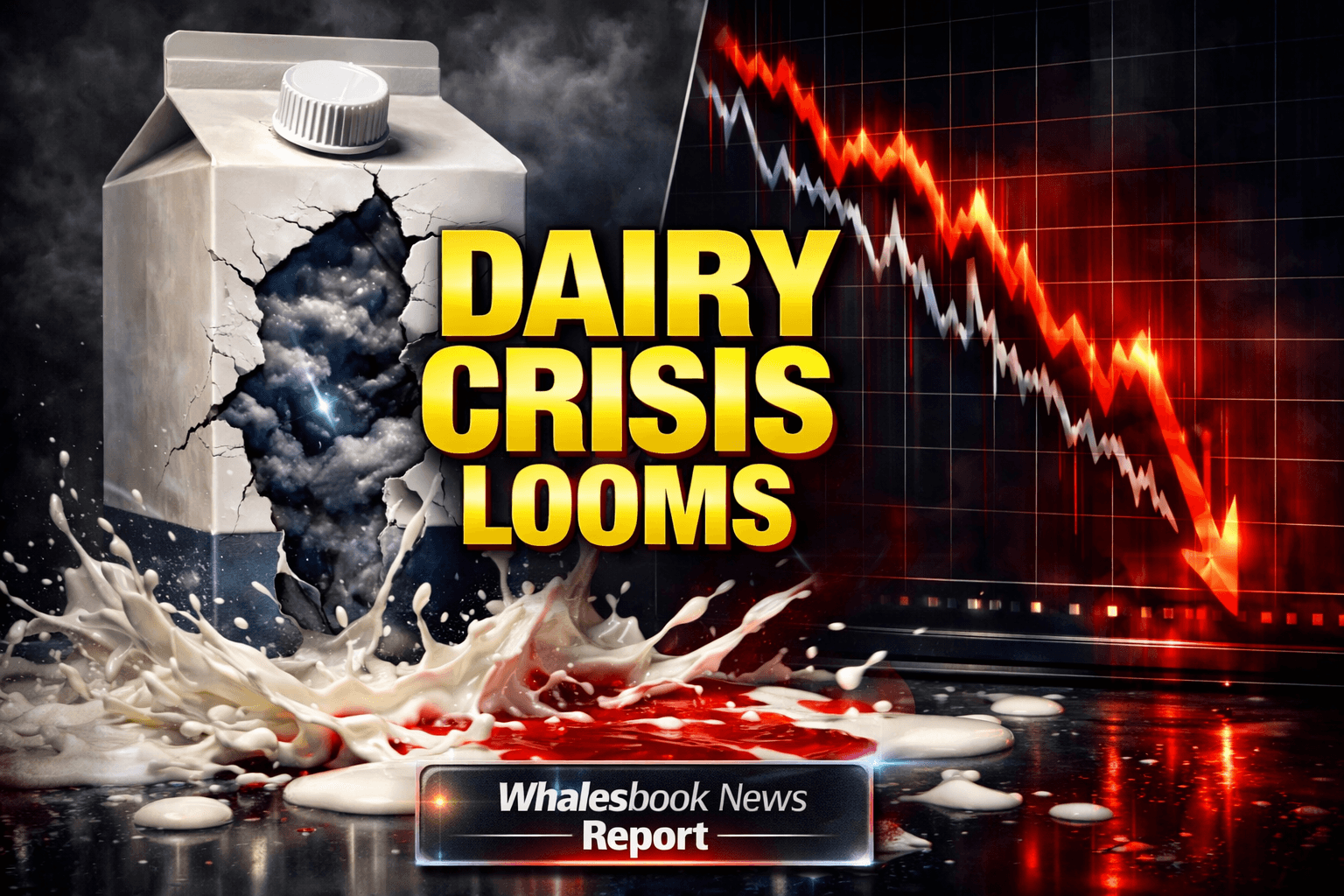
India’s dairy sector is grappling with a severe milk shortage driven by poor yields and climate disruptions, forcing companies to rethink growth strategies by strengthening milk sourcing and accelerating value-added product (VAP) expansion. The supply crunch is tightening competition, as rising procurement costs outpace pricing power, squeezing margins across the industry.
The shortage is fundamentally altering the competitive landscape, with companies prioritising strong sourcing networks and farmer linkages to secure consistent milk supply. Profitability is already under strain, with Dodla Dairy reporting a 17.3% drop in EBITDA in Q3 FY26 and margins falling to 7.7%, while Heritage Foods faced a 9% rise in procurement costs, impacting liquid milk margins.
To counter margin pressure, companies are doubling down on higher-margin VAPs such as ice cream, flavoured milk, and processed dairy. Dodla Dairy is investing ₹280 crore in a new Maharashtra plant to boost sourcing capacity, with 36–39% of its revenue already coming from VAPs, while Heritage Foods is investing ₹204 crore in a Telangana ice cream facility, targeting ₹600–700 crore in ice cream sales over five years, with VAPs contributing about 38.4% of revenues.
The situation is further complicated by the potential onset of El Niño in FY27, which could disrupt rainfall patterns, reduce fodder availability, and prolong supply shortages. Analysts warn that the sector’s recovery now depends more on stabilising milk supply than on price hikes, as companies struggle to pass rising costs to consumers. (Whalesbook)
Despite near-term challenges, long-term prospects remain positive, with firms that build strong sourcing ecosystems and expand value-added portfolios expected to emerge stronger once supply conditions normalise.
Source: Dairynews7x7 21 April, 2026 Read full story here
#IndiaDairy #MilkShortage #ValueAddedDairy #DairyIndustry #FMCGIndia #SupplyChain #DairyNews