Latest Blogs
See More




Indian Dairy News


DairyNews7x7
Global Dairy News


DairyNews7x7

CSE’s new assessment of antibiotic misuse in the dairy sector says milk is not safe. Centre for Science and Environment organised an online consultation with stakeholders on indiscriminate use of Antibiotics on milch animals . It also shared concern over inadequate attention to testing antibiotic residues in milk .
A wide spectrum of experts and participants from the FSSAI; the National Dairy Development Board (NDDB); the World Health Organization (WHO); the Department of Animal Husbandry and Dairying; the Central Drugs Standard Control Organisation;and representatives from specialised educational and research institutions, civil society bodies, and concerned departments from different states attended this event.
The survey further showed that that 1.2 % of the samples had antibiotic residue above the permissible limits. Madhya Pradesh (23 out of 335 samples), Maharashtra (9 out of 678 samples) and UP (8 out of 729 samples) were amongst the top three States with highest levels of Antibiotic residues were
Most farmers CSE spoke to did not know about withdrawal period . This is the time after the last day an antibiotic is administered and before the milk is sold. Farmers must not sell milk cattle during this period as it can increase chances of antibiotic residues in milk.
Department of Animal Husbandry (DAHD) Farmer Manual recommends use of only penicillin, gentamicin, streptomycin and enro-floxacin on animals. Farmers, however, uses ceftiofur, amoxicillin, cloxacillin and ceftriaxone-sulbactam, ceftizoxime or ceftriaxone-tazobactum.
CSE has recently published its assessment of antibiotic use in the country’s dairy industry . It could is available on the website downtoearth.org.in , and its findings are disturbing. “We have found that antibiotics are extensively misused in the dairy sector”; antibiotic residues remain largely untested in milk, an integral part of Indian diets, particularly of children. We are concerned about this , said CSE ‘s DG Sunita Narayan.
These antibiotics ,despite a law against it ,are easily available without the prescription of a registered veterinarian and stocked at farms. Farmers often inject animals based on their own judgement of signs and symptoms of a disease without any veterinary supervision.
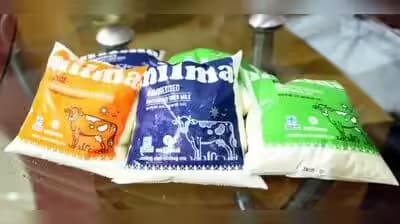
CSE researchers also point towards inadequate focus on testing for antibiotic residues in the milk by some state milk federations. These federations later process it and sell packaged milk and dairy products under popular brands.
Summing up, Narainsaid: “What is really remarkable and significant is that India is now talking about antibiotic resistance in the one-health perspective. We must ramp up surveillance and testing, put a complete stop to the use of critically important antibiotics and penalise their use and work with farmers and the agriculture-dairy sectors to innovate on solutions.”