Latest Blogs
See More



Indian Dairy News


DairyNews7x7
Global Dairy News


DairyNews7x7
Canadians voice suspicions over palm oil, raising questions over transparency in a powerful industry

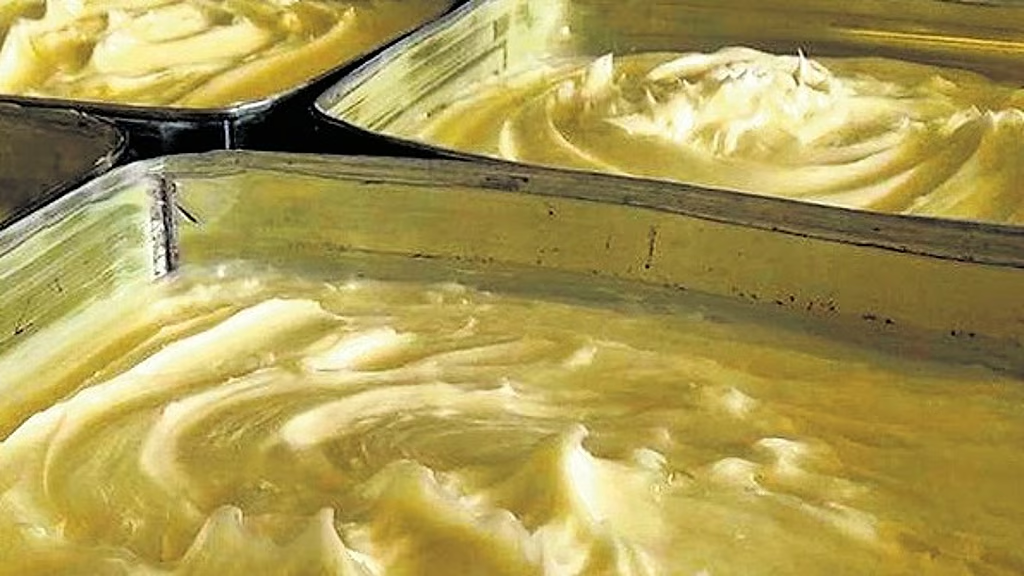
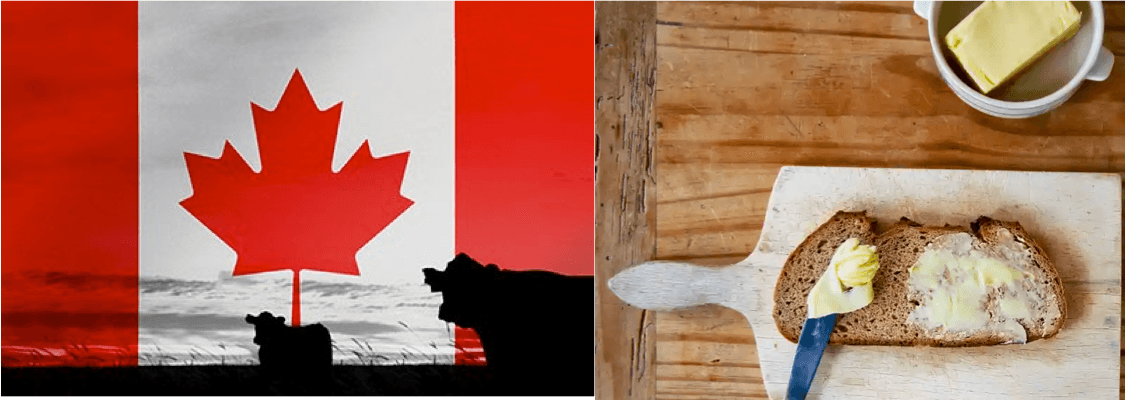
“My butter just seemed harder. It was during a very hot period and I noticed it wasn’t behaving right,” said Sylvain Charlebois, a professor of food distribution and policy at Dalhousie University who posted the tweet. “But I thought I was the only one experiencing this.”
He quickly learned he wasn’t alone.
Julie Van Rosendaal, a cookbook author, was one of many others who posted to describe a mysterious transformation in the pantry staple. “Something is up with our butter supply,”
Growing suspicion that the culprit could be palm oil extracts has prompted a nationwide outcry, and as questions mount, the affair has revived longstanding grievances over the country’s powerful dairy industry – and accusations that its policies burden Canadians with higher costs in order to protect farmers.
“Butter is probably two or three times more expensive in Canada than in the United States. And as Canadians, we’ve implicitly agreed to this,” Charlebois. “But we also expect quality. So regardless of what is causing harder butter, people are really wondering what’s going on here. And they’re questioning the lack of transparency from the dairy industry.”
For years, Canada has strictly controlled the production of milk, butter and cheese through supply management – a complex system of production controls and tariffs meant to discourage foreign imports and keep domestic prices stable.
Under the system, farmers receive the same amount of money each month for their product.
During trade negotiations with the US, Donald Trump fulminated against the system and called unsuccessfully for Canada to dismantle its longstanding protectionist measures.
Charlebois believes the system is largely responsible for the current row over butter quality.
“Regardless of the quality of your product, regardless of what goes on your farm, you get the same amount of money. Because of this, farmers in Canada are likely the best cost managers in the world when it comes to dairy,” said Charlebois. “How do you actually generate more fat while keeping costs as low as possible? Well, palmitic acids are a very convenient solution.”
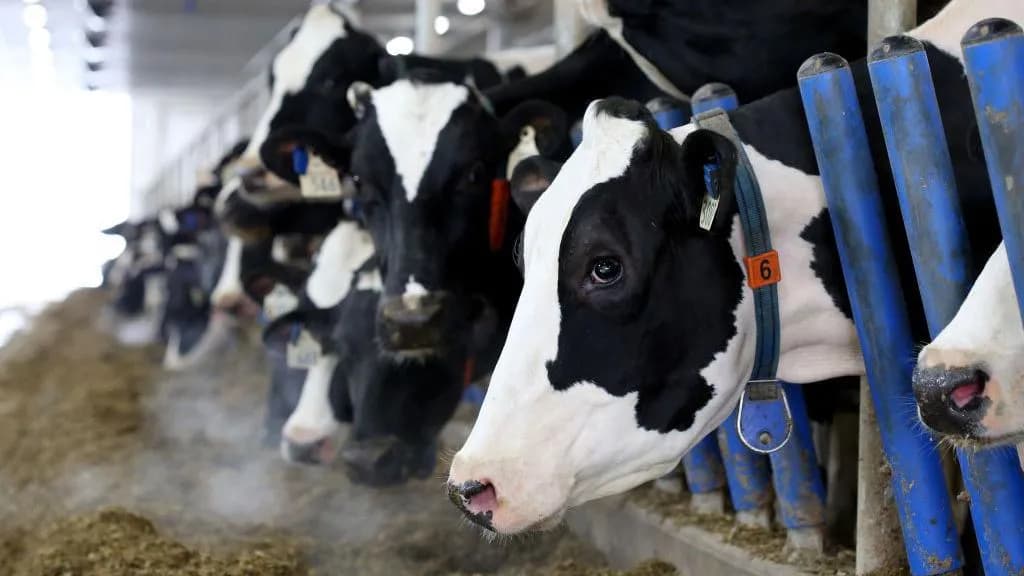
Palm oil extracts have long been used in the dairy industry to increase milk production and the milk’s fat content. Charlebois and other experts suspect that surging demand for butter – exacerbated by the pandemic – has prompted more producers to adopt the practice.
There is still no clear explanation as to why Canadians are noticing a change to their butter, but Charlebois points to an October report from British Columbia’s dairy marketing board, which raised concerns over a lack of froth in milk – saying the issue had “escalated rather significantly since late August” – and called on producers to be vigilant. The observations the board had made, he said, were consistent with the presence of palm oil extracts.
The Dairy Farmers of Canada initially dismissed concerns over a change in butter quality.
But as concerns grew and Le Journal de Montréal published allegations that more farmers admitted to using palm extracts when feeding their herds, the lobby group issued a follow-up statement, saying that while palm products are sometimes added to dairy cows’ rations, the practice has “a very limited impact on the palmitic fatty acid profile of their milk”.
The Dairy Farmers of Canada said the practice of adding palm extracts to cow feed was common in the United States, United Kingdom, New Zealand and Australia.
On Wednesday, however, La Presse reported that Quebec’s dairy industry council had called for an immediate halt to the use of palm oil in cow feed.
Alongside questions about the long term health impacts of palm oil and its devastating environmental impact, Charlebois said that the opaque response is equally as troubling.
“Milk and butterfat are to be considered as public goods, because of our government quota system. There is a moral contract between the dairy industry and consumers,” he said.
With Canadian taxpayers set to pay the industry C$1.75bn in subsidies over the next three years, largely as compensation for increased global access to domestic markets, Charlebois said questions over the quality of butter meant the moral contract had been breached.
Previous debates over the country’s supply management have often been riddled with arcane policy issues, but Charlebois said this time, things seemed different.
“People understand butter shouldn’t be destroying toast in the morning. And they also know that palm oil is bad. People understand those things. And that’s why I think people are a little bit shocked by what they’re hearing right now.”