Latest Blogs
See More


Indian Dairy News


DairyNews7x7
Global Dairy News
DairyNews7x7
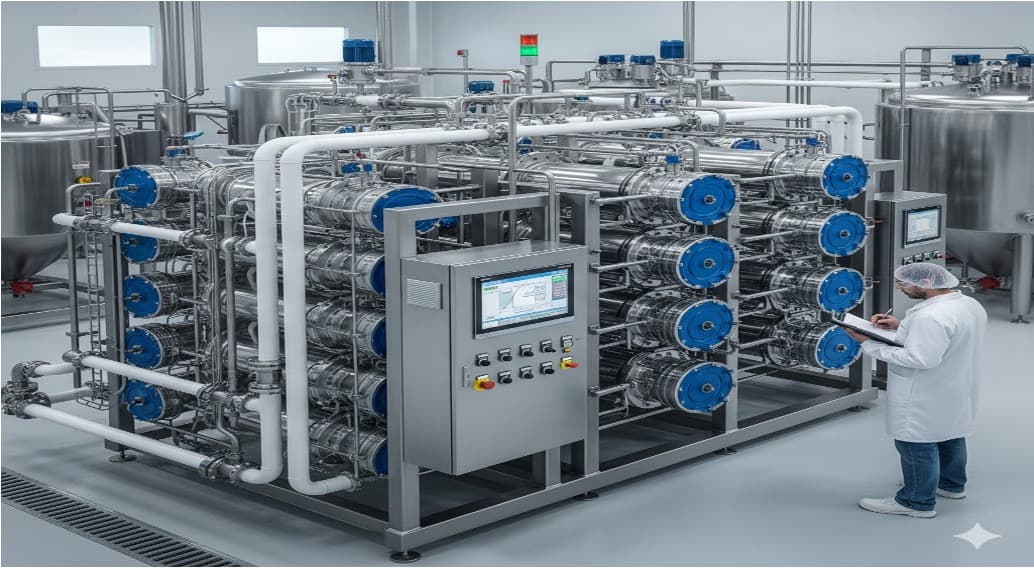
Milk demineralization is increasingly recognised as a critical processing step for dairy manufacturers — especially those producing infant nutrition, speciality powders and functional ingredients — because it enables better control over mineral content and functional properties of dairy streams.
Demineralization involves removing excess minerals (like calcium, magnesium and phosphate) from milk derivatives such as whey and permeates, which otherwise restrict their commercial use and processing flexibility. By lowering mineral load, processors can extend the range of applications for these streams — including infant formulas, high-value protein ingredients and specialised nutritional products — and improve their performance in downstream steps like evaporation and spray-drying.
Membrane-based technologies (e.g., nanofiltration, electrodialysis and ion-exchange) are commonly employed for demineralization due to their selectivity and ability to remove salts while preserving proteins and other desirable components. Partial demineralization can also influence physicochemical and functional qualities, such as powder flow and solubility — factors critical for high-end dairy powders.
Industry specialists note that demineralization not only supports product innovation and nutritional optimisation but also enhances processing efficiency by reducing issues like mineral-linked precipitates during thermal treatments, ultimately helping plants meet tight specifications for global markets.
Source : Dairynews7x7 Feb 25th 2026 Read full story here
#MilkDemineralization #DairyProcessing #InfantNutrition #DairyIngredients #MembraneTech #MilkPowders
Image Credit Gemini