Logo
IndianGlobalBlogsPublicationsPodcastsMarketAboutContact
Logo
IndianGlobalBlogsPublicationsPodcasts
7News
World Pays More, Demands More: New Frontier of Dairy TradeIndia-EU Carbon Trade Talks: Why Dairy Is Watching CloselyDairy Demand to Spike for Makar Sankranti FestivalSouthern Dairy & Food Conclave Ends, Blending Technology with TraditionFarm Economy Seen Stabilizing in 2026; Costs & Policy Still Key Constraints

Indian Dairy News

India-EU Carbon Trade Talks: Why Dairy Is Watching Closely
Jan 11, 2026

India-EU Carbon Trade Talks: Why Dairy Is Watching Closely

India and the European Union (EU) are intensifying negotiations on a long-pending Free Trade Agreement (FTA), with the EU’s Carbon Border Adjustment Mechanism (CBAM) at the centre of climate and trade...Read More

Dairy Demand to Spike for Makar Sankranti Festival
Jan 11, 2026

Dairy Demand to Spike for Makar Sankranti Festival

As Makar Sankranti approaches, India’s dairy industry — especially in Bihar and neighbouring regions — is gearing up for a significant seasonal surge in demand for milk, curd and related dairy product...Read More

Southern Dairy & Food Conclave Ends, Blending Technology with Tradition
Jan 11, 2026

Southern Dairy & Food Conclave Ends, Blending Technology with Tradition

The Southern Dairy & Food Conclave 2026 (SDFC-2026) — organised by the Indian Dairy Association’s South Zone under the banner of the Southern Dairy Summit — concluded in Calicut (now Verghese Kurien N...Read More

DairyNews7x7
Advertisement

Latest Blogs

See More
From Forecast to Fact: 2025 Lessons, 2026 Dairy Outlook
Jan 01, 2026

From Forecast to Fact: 2025 Lessons, 2026 Dairy Outlook

As we step into 2026, it is worth pausing to reflect on how the Indian dairy sector navigated the challenges of 2025 and how closely reality tracked the forecasts I outlined in the first blog of last...Read More

India–NZ Dairy FTA: Safeguards or Silent Slippages?
Dec 26, 2025

India–NZ Dairy FTA: Safeguards or Silent Slippages?

The recently concluded India–New Zealand Free Trade Agreement (FTA) marks an important milestone in bilateral trade, while carefully ring-fencing India’s sensitive dairy sector. Under the agreement, c...Read More

Vision 2047: India’s Dairy Development Roadmap
Dec 21, 2025

Vision 2047: India’s Dairy Development Roadmap

As India moves steadily toward Vision 2047, the dairy sector stands at a strategic inflection point. From being a food security instrument in the decades following Independence, dairy has evolved into...Read More

Global Dairy Dynamics: Innovation, Sustainability & Inclusion
Dec 18, 2025

Global Dairy Dynamics: Innovation, Sustainability & Inclusion

The International Dairy Processing Conference (IDPC) 2026, organised by the Trade Promotion Council of India (TPCI) at Yashobhoomi Convention Centre, Dwarka, New Delhi on 7 January 2026, will serve as...Read More

Global Dairy News

World Pays More, Demands More: New Frontier of Dairy Trade
Jan 12, 2026

World Pays More, Demands More: New Frontier of Dairy Trade

Higher prices, tighter rules and an uncomfortable truth for the industry: without compliance, there is no market The start of 2026 has delivered a signal the global dairy industry cannot afford to ign...Read More

Midan’s Top 10 Meat & Dairy Trends to Watch in 2026
Jan 10, 2026

Midan’s Top 10 Meat & Dairy Trends to Watch in 2026

Midan Marketing has published its annual Top 10 meat and dairy industry trends for 2026, highlighting the forces likely to shape consumer behaviour, product development and value-chain strategies in t...Read More

U.S. Dietary Guidelines Overhaul Raises Dairy, Meat
Jan 09, 2026

U.S. Dietary Guidelines Overhaul Raises Dairy, Meat

The newly released 2025–2030 U.S. Dietary Guidelines, unveiled by Health Secretary Robert F. Kennedy Jr. and the Department of Agriculture, represent a major shift in federal nutrition policy, placing...Read More

DairyNews7x7
Advertisement
Dairy News 7x7

Your trusted source for all the latest dairy industry news, market insights, and trending topics.

FOLLOW US
CATEGORIES
  • Global News
  • Indian News
  • Blogs
  • Publications
  • Podcasts
SUBSCRIBE TO OUR NEWSLETTER

Stay informed with the latest updates and trending news in the dairy industry.

No spam, unsubscribe at any time

GET IN TOUCH
C-49, C Block, Sector 65,
Noida, UP 201307
+91 7827405029dairynews7x7@gmail.com

© 2026 Dairy News 7x7. All Rights Reserved.

Terms of ServicePrivacy Policy

Fonterra’s Brand Sale: Short-Term Gain, Long-Term Loss?

By DairyNews7x7•Published on September 01, 2025

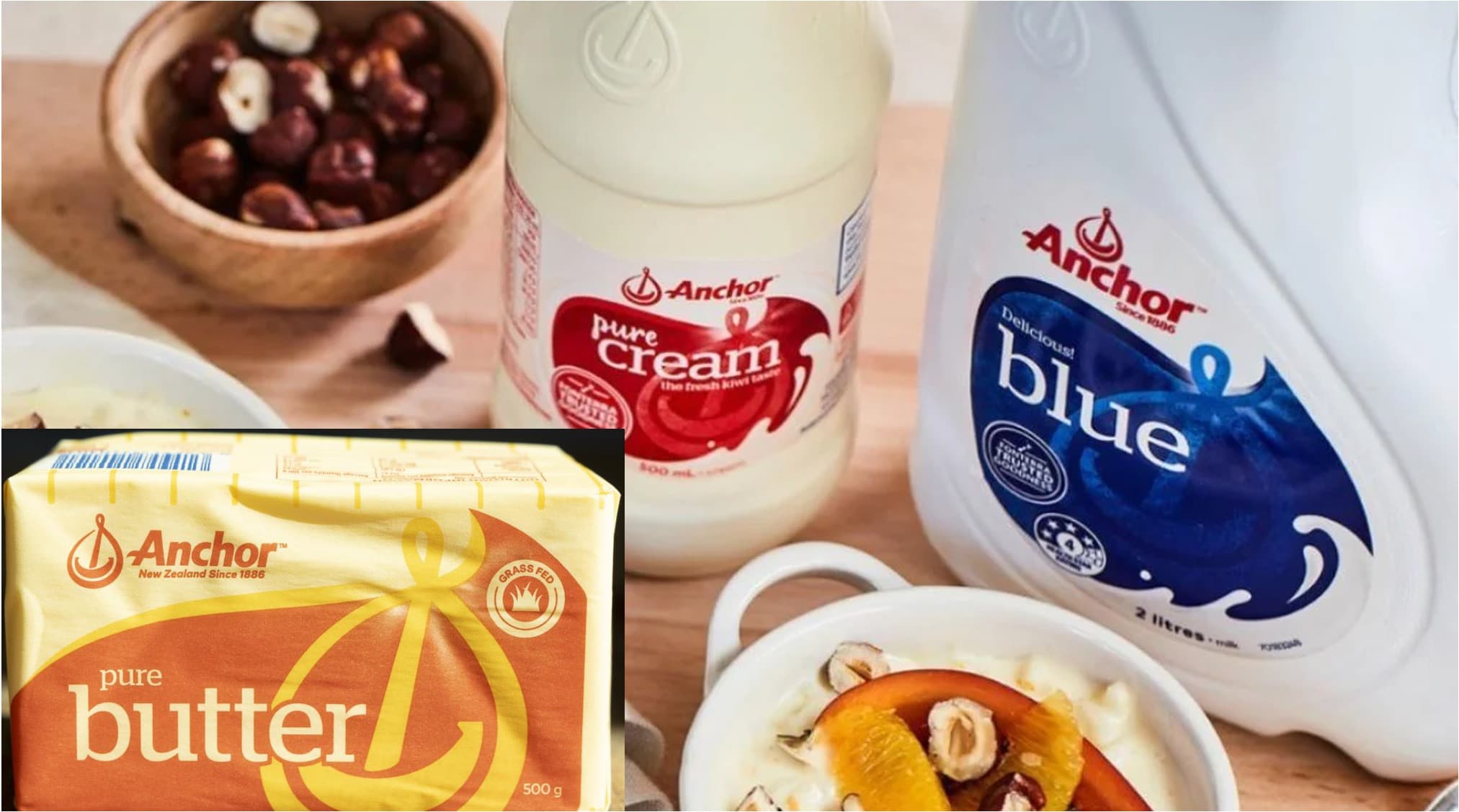
Fonterra’s decision to sell its brands business—home to household names like Anchor, Mainland, and Kapiti—to French-owned Lactalis for NZ$3.85 billion has sparked intense debate. While the deal promises a windfall for farmer-owners amid strong dairy prices, critics argue it represents a short-term tactical win but a long-term strategic failure.

When Fonterra was formed, the vision was to climb the value chain—owning brands that could buffer farmers during downturns by capturing higher margins when milk prices fell. However, history shows a different trajectory. In 2001, Fonterra was valued at NZ$7.5 billion versus Kerry Group’s NZ$5.6 billion. Two decades later, Kerry is worth NZ$26 billion while Fonterra lags at NZ$10 billion, a gap attributed to Kerry’s disciplined reinvestment versus Fonterra’s reliance on debt and risky overseas ventures.

Despite strong fundamentals—global milk supply advantage, robust brands, and scale—Fonterra struggled to execute expansion plans in China, Brazil, and beyond. Now, by exiting its brands, it strengthens Lactalis, a global family-owned giant that thrives precisely by building and acquiring brands while relying on others for commodity supply. With ten-year supply contracts in place, Fonterra remains a price-taker, vulnerable to Lactalis eventually pushing down milk prices.

Critics note the irony: as a cooperative, Fonterra should be positioned for long-term strategic decisions, yet it behaves with short-term opportunism. High executive pay—14 staff earning over NZ$1m, the CEO nearly NZ$6m in 2024—underscores a disconnect between ambition and delivery.

The sale also bypasses local opportunities. Fonterra brands could have tapped KiwiSaver’s growing pool of capital, with the NZ$3.8 billion price tag amounting to less than 1% of the NZ$500 billion projected in KiwiSaver funds over 25 years. Instead, New Zealand risks repeating a familiar pattern—foreign buyers acquiring crown-jewel assets while locals applaud the cheque.

In essence, Fonterra’s move illustrates deeper flaws in New Zealand’s corporate culture: an aversion to risk, an overreliance on debt, and a failure to build enduring global champions. The deal may enrich farmers now, but it entrenches Fonterra further at the commodity end of the value chain, leaving the brand-driven profits to Lactalis.

Industry Insight:
Fonterra’s divestment highlights a recurring theme in New Zealand agribusiness—choosing immediate liquidity over long-term value creation. While dairy farmers welcome the cash windfall, the sale risks locking Fonterra into a low-margin supply role. Global players like Lactalis demonstrate that branding, not raw milk, holds real pricing power. With KiwiSaver capital underutilised, the absence of domestic ownership reflects both a missed opportunity and a governance gap. The deal raises urgent questions: Can New Zealand companies ever compete globally in value-added foods, or will they remain perpetual suppliers to multinational brand owners?

Source : Dairynews7x7 Sep 1st 2025 Read full story here at The Post

Swipe to continue reading

Previous Article

Next Article