Latest Blogs
See More

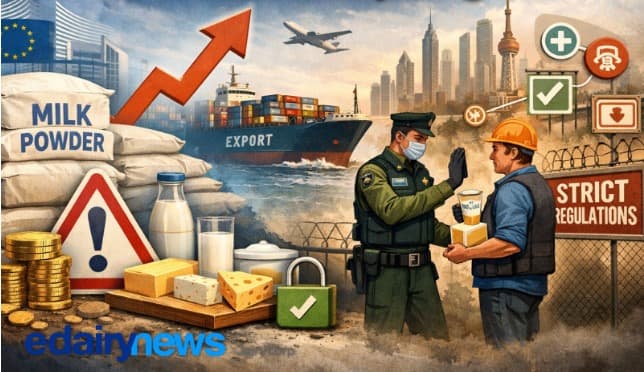
Yet the underlying message is far less comforting than it appears. Higher prices no longer buy tolerance. On the contrary, rising values are coinciding with higher entry barriers, redefining dairy trade at three inseparable levels: industrial, financial and political.
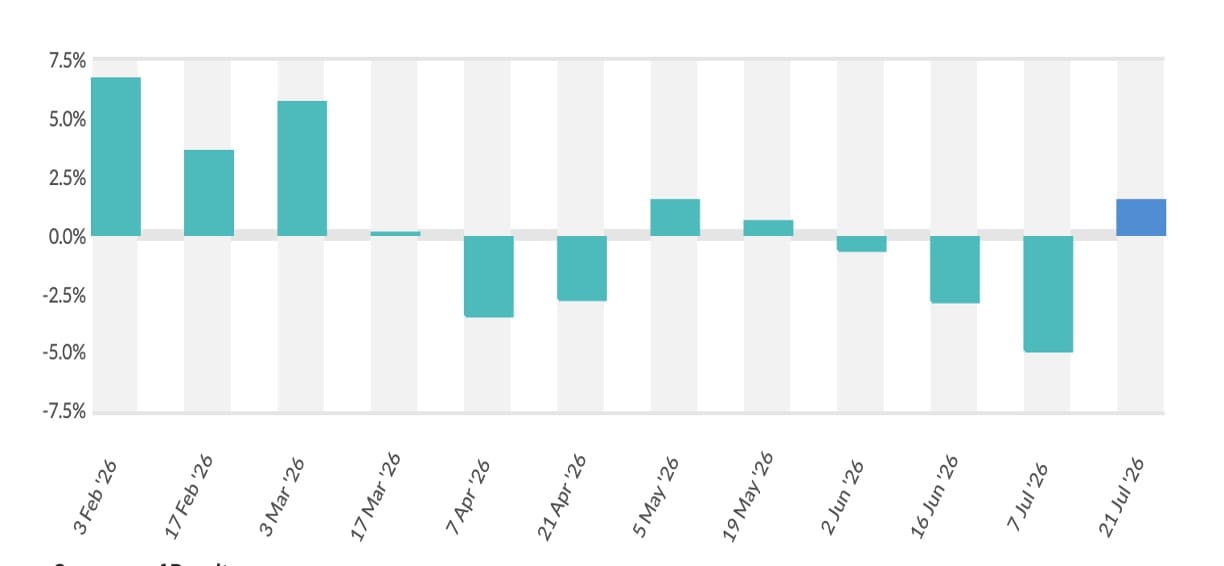
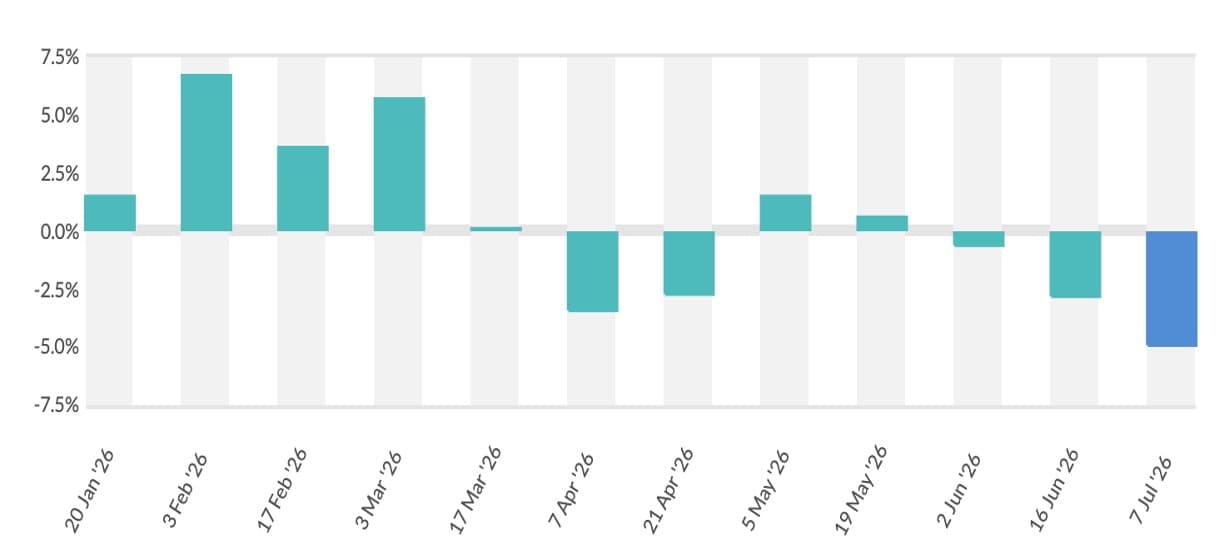
That narrative has now collapsed. The latest Global Dairy Trade rebound is not merely a technical correction. It reflects active demand, tighter availability and buyers increasingly willing to secure volumes amid geopolitical uncertainty. More importantly, it confirms that global dairy trade no longer tolerates ambiguity.
“Higher prices do not change the fundamentals. There is no international demand for dairy products without full sanitary certification. Compliance is not optional — it is the entry ticket to value-added markets.”
This is not rhetoric. It is the perspective of an operator competing in regulated, competitive and increasingly unforgiving markets.
That model is fading. With supply expanding across producing regions and global prices strengthening independently of regional demand, reliance on a single outlet has shifted from strategy to vulnerability. Global trade now demands diversification, predictability and compliance.
Reducing barriers implies greater competition — but also forces a long-overdue industrial transformation. The question is no longer ideological. It is strategic: is the sector prepared to operate under global rules, or not?
Asia, meanwhile, remains the primary engine of global demand. But it is a highly professionalised demand. Buyers pay premiums, but only where quality, consistency and sanitary guarantees are unquestionable.
In both cases, the conclusion converges: market access has become binary.
Strong prices offer an opportunity — but also a test. Those who fail to use this window to align with international standards risk being confined to low-value markets precisely when global demand is recovering.
In today’s dairy trade, competitiveness is measured not only in tonnes or prices, but in credibility. And credibility, once lost, is far harder to rebuild than capacity.
The world is ready to buy. The question is who is truly ready to sell.
Source : DAirynews7x7 Jan 12th 2026 Guest blog by Valeria Hamann from ur parner Channel EDAIRYNEWS