Latest Blogs
See More


Indian Dairy News

DairyNews7x7
Global Dairy News
DairyNews7x7
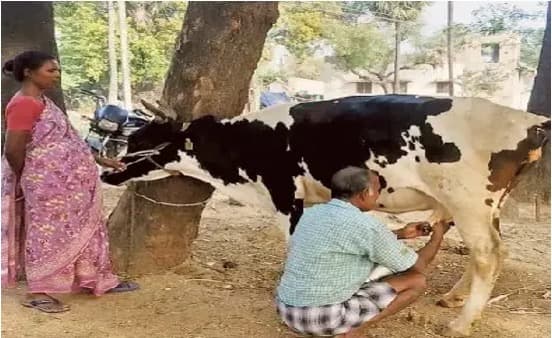
Muneppa (65) of Jangala Agraharam village in Palamaner Assembly constituency sits by a forest road leading to the Koundinya Wildlife Sanctuary, watching his eight milch cows and a bull graze at a distance. His day begins at 3 a.m., when he milks his cattle and transports to a nearby collection centre over 20 litres of milk — which, he fondly calls, “white liquid gold.”
He repeats the routine in the evening. “Early to rise, early to sleep. I have no plans except to increase my herd,” Muneppa's words seem to flow out of confidence, as he bets big on the future of his dairy business.
“I was a pauper in 2020. I struggled to pay my grandchildren’s school fees. I owned just two cows then,” he recalls. “Today, I have eight. My grandson studies engineering in Bengaluru, and my granddaughter’s marriage was conducted decently recently,” he says, exuding pride and contentment.
Like Muneppa, thousands of dairy farmers across Chittoor district harbour similar aspirations. The formidable presence of the dairy sector is something even a casual visitor to the district will not fail to notice.
Producing an estimated 18–20 lakh litres of milk daily, Chittoor ranks among India’s most productive milk belts. Its output feeds not only local populations but also major urban centres such as Tirupati, Bengaluru and Chennai, besides hundreds of other towns across Andhra Pradesh and Tamil Nadu.
From the lush villages of Kuppam and Palamaner bordering Tamil Nadu and Karnataka to the semiarid plains of Bangarupalem, Puthalapattu and Nagari, milk flows through a dense network of collection routes, sustaining tens of thousands of rural households.
Yet, beneath this scale of prosperity lies a sector grappling with price volatility, fragmented procurement, rising input costs and institutional gaps.
Over 80% of dairy farmers in Chittoor are small and marginal, typically owning two to four cattle. For them, milk is not merely an agricultural commodity but an alternative source of sustenance to keep the wolf from the door.
Dairy serves as a critical livelihood buffer, supplementing raindependent agriculture and ensuring steady cash flow during crop failures or lean seasons. In mandals such as Baireddipalle, V. Kota, Ramakuppam, Gangavaram, Palamaner and Gudupalle, dairy income pays for groceries, school fees, electricity bills, veterinary medicines and medical emergencies.
A household selling 20 litres a day earns about ₹600, an amount that often determines its survival.
Women shoulder the unseen burden of this economy. From feeding and cleaning to milking, bookkeeping and milk delivery, they run the sector end to end. With men migrating seasonally for construction or industrial work, dairy operations in regions like Kuppam and Palamaner are almost entirely in women’s hands.
Across Chittoor’s villages, women are the sec
“I was a pauper in 2020. I owned just two cows then. Today, I have eight. My grandson studies engineering in Bengaluru
tor’s silent managers: maintaining accounts, coordinating deliveries and negotiating with procurement agents. When prices fall, it is they who recalibrate household budgets, defer healthcare or take on additional wage work.
Womenled Bulk Milk Chilling Units (BMCUs) have demonstrated how decentralised institutions can stabilise incomes and improve governance. However, funding constraints, power supply issues and maintenance costs limit their scalability.
“Dairy gives us dignity and daily cash, but only when prices are fair,” says Kathali Jamuna (34) of Kuppam.
The collapse of the Chittoor Cooperative Milk Producers’ Union nearly two decades ago, following the shutdown of Vijaya Dairy, left the sector at a crossroads.
Once a flagship institution processing lakhs of litres a day, Vijaya Dairy offered stable prices, assured payments and collective bargaining power. Its closure shattered that ecosystem, allowing private dairies, traders and commission agents to dominate procurement.
Prices now vary not just across mandals, but between neighbouring villages, depending on buyer dominance and volumes.
“Milk must be sold within hours. If we reject today’s price, we lose the entire quantity,” says Anjamma (45) of V. Kota.
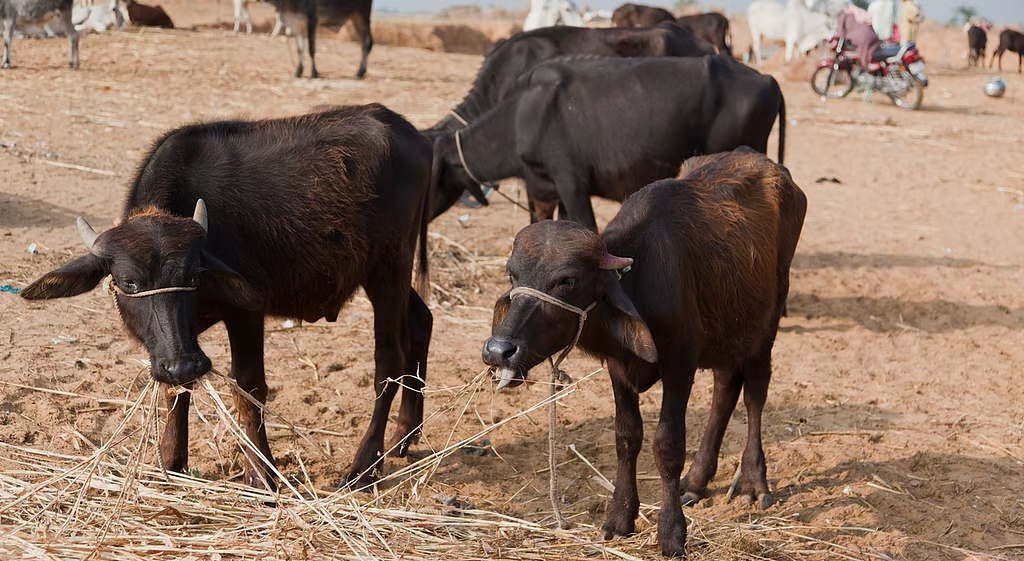
Currently, cow milk prices range between ₹27 and ₹32 per litre, while buffalo milk fetches ₹35–₹38, depending on fat and SNF content. Rising feed, fodder, transport and veterinary costs, however, have sharply reduced net margins.
Even a ₹2 drop in procurement price per litre can cost a small farmer ₹1,200–₹1,500 a month, a serious blow.
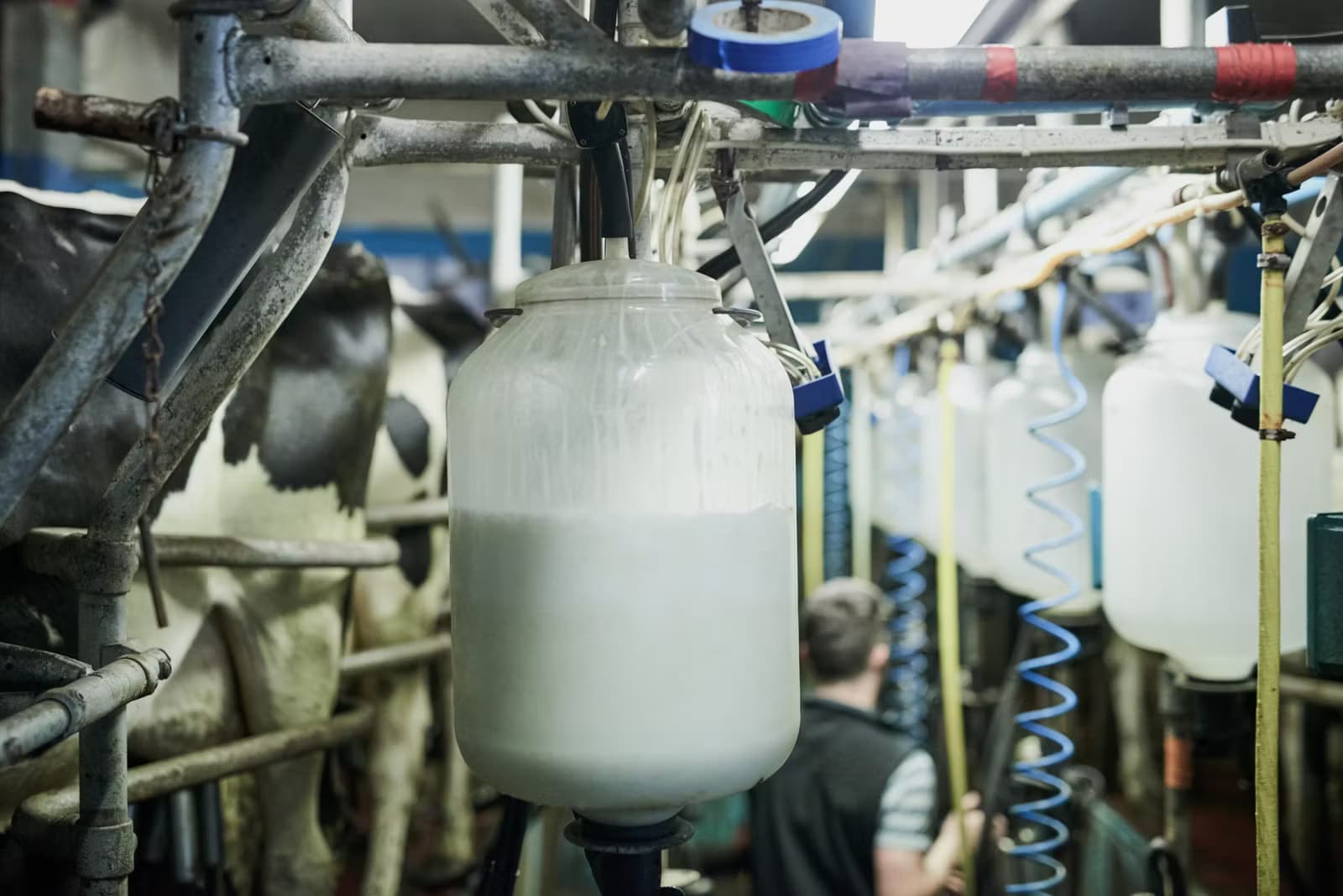
The spread of BMCUs has been a gamechanger. Chittoor has nearly 100 functional chilling units, managed by women’s SHGs, village cooperatives and producer collectives. With capacities of 2,000–3,000 litres a day, they collectively chill over three lakh litres daily.
Chilled milk fetches ₹3–₹7 more per litre than normal milk sold to middlemen.
“Digital testing, printed receipts and fixed payment cycles have improved transparency,” says Ganapathi (54) of Kuppam. We face shortages of veterinarians, delayed emergency care and limited access to affordable insurance
Another major relief has been the entry of Amul through Statebacked initiatives, reintroducing a competitive benchmark. Farmers report better prices, transparent testing and assured payments, forcing private dairies to revise rates upward.
Yet, pleas to revive a cooperative dairy structure remain unheard.
“During the cooperative era, Chittoor was known as Andhra’s Anand. That tag will remain history if no action is taken to revive it,” says Krishnappa Mani (62) of Palamaner.
As a raindependent and partly rainshadow region, Chittoor faces chronic fodder shortages, especially in eastern mandals. Summer heat from March to August reduces yields and fertility.
Officials estimate a 30–35% green fodder shortfall during summer, with fodder prices rising by 25–30% and milk yields dropping 20–30%.
While fodder conditions are relatively better in Kuppam and Palamaner, mandals such as Nagari, G.D. Nellore and S.R. Puram remain vulnerable.
“We face shortages of veterinarians, delayed emergency care and limited access to affordable insurance,” says Jhansi (50), a farmer from Nagari.
On the other hand, youth participation too remains uncertain. Many view dairy as labourintensive with uncertain returns. In some villages, households are quietly exiting the sector, even though schemes promoting fodder crops, silage preparation and community fodder banks have been rolled out and over 2,000 cattle sheds sanctioned.
Animal Husbandry officials project that Chittoor could scale up to 30 lakh litres per day by the end of the decade through improved breeds, expanded chilling infrastructure and organised procurement.
Kuppam alone contributes over eight lakh litres daily, and officials say milk output there could rise by another 10 lakh litres soon.
Responding to farmers’ concerns, Dr. D. Uma Maheswari, Joint Director, Animal Husbandry, Chittoor, says a multipronged strategy has been adopted to give the sector the muchneeded push.
“We are strengthening veterinary services, expanding artificial insemination using sexsorted and highgenetic merit semen, improving feed security and creating robust market linkages,” she says.The focus, she adds, is on securing livelihoods while maintaining Chittoor’s position as one of Andhra Pradesh’s leading milkproducing districts.
Even as urban centres across Rayalaseema and Tamil Nadu continue to depend on Chittoor’s milk, farmers pose a fundamental question: “Can a district that feeds millions afford to let its dairy households run at a loss?’’
As Chandrasekhar (35) of Irala mandal puts it across, '’The real measure of success is not litres produced, but secure livelihoods and a future worth striving for.”
Source : Dairynews7x7 Jan 13th 2026 The Hindu