Latest Blogs
See More


As the fast-moving consumer goods (FMCG) sector enters 2026, persistent input cost pressures — including key dairy and food inputs — are exerting sustained margin stress, keeping companies’ attention firmly on the upcoming Union Budget 2026–27. Despite easing headline inflation, several industry leaders are urging policy support to help manage supply-side cost inflation and improve profitability across food and dairy-related portfolios.
The pressure comes as raw material, packaging and input costs have risen faster than revenue growth for many companies. FMCG majors like Mondelez India and Parle Biscuits have reported sharp profit declines in FY25, driven largely by higher commodities including dairy ingredients, sugar, wheat and cocoa — underscoring how sustained cost inflation can erode margins even amid steady consumer demand.
Industries are now looking to the Union Budget 2026–27 for measures to ease cost pressures, including expectations around GST rationalisation, export support incentives, input tax relief and broader demand revival policies that can help drive consumption momentum and cushion profitability. FMCG bodies are also seeking targeted tax relief and policy clarity to stimulate demand and support rural and urban consumption alike, especially where inflation-linked cost pressures remain uneven across commodities.
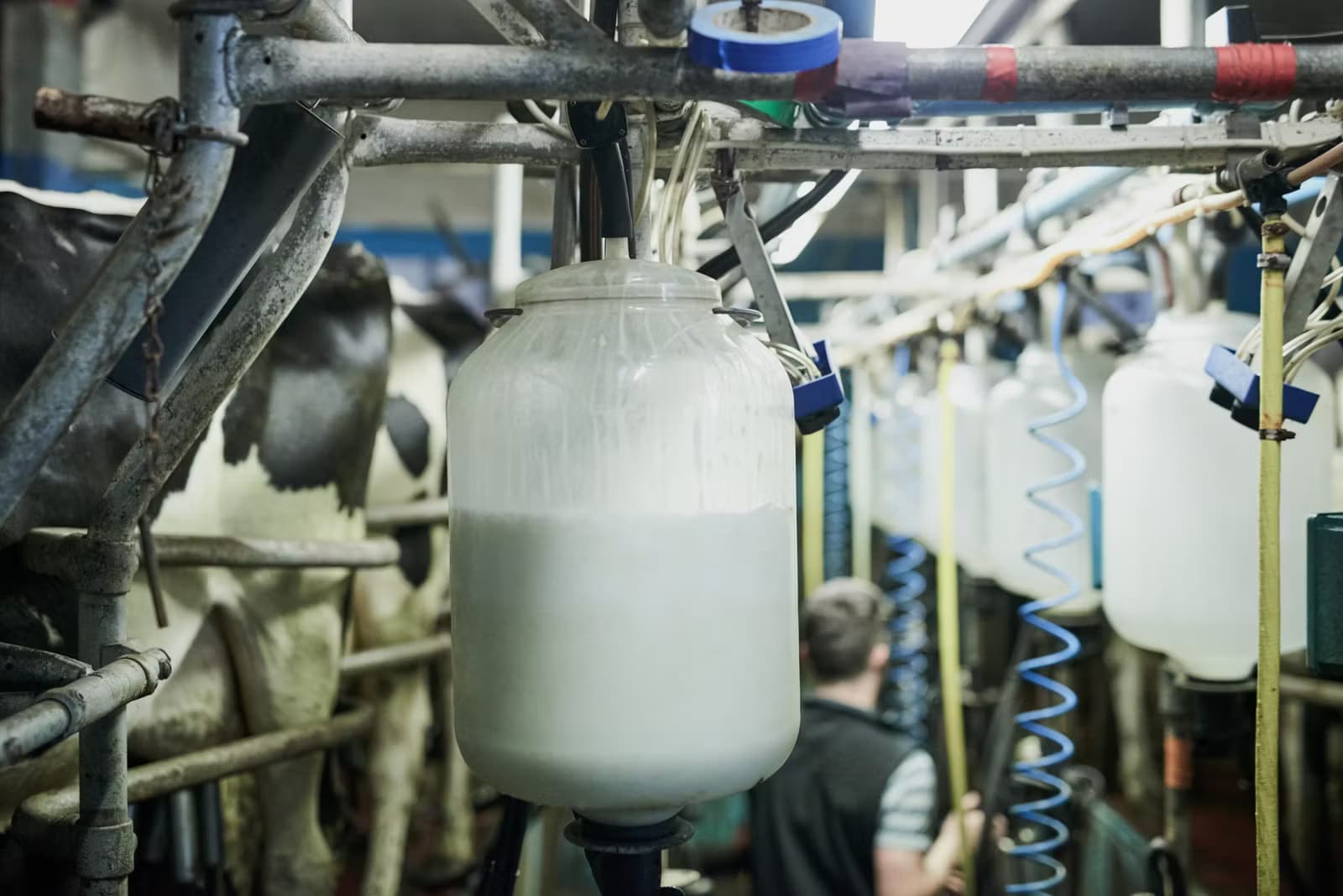
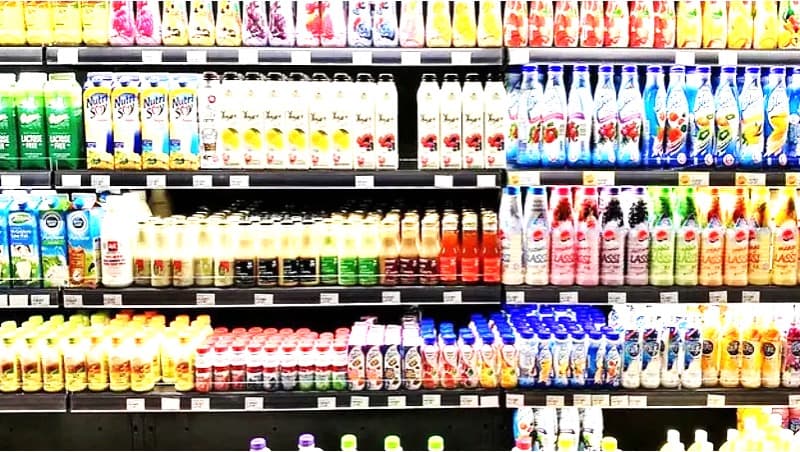
For dairy-related FMCG products — including milk-based powders, cheese, ghee, paneer and value-added beverages — input costs such as milk solids, SMP and logistics remain significant components of production costs. While some commodities have softened, price volatility persists in segments like dairy and select agricultural inputs, contributing to mixed margin outlooks for companies in the food and dairy ecosystem.
Analysts suggest that broader cost relief measures — such as GST rationalisation carried over from previous reforms that reduced tax rates on many packaged dairy items — can support demand sustainability while helping producers and brands manage competitive pricing pressures in the retail market.
In summary: The FMCG sector — tightly linked to dairy through product portfolios and cost structures — enters Budget season with an eye on tax and policy incentives that can ease input cost burdens, stimulate consumption and preserve margins in a landscape where input cost pressures continue to be a key strategic challenge.
Source : Dairynews7x7 Jan 18th 2026 BW