Latest Blogs
See More


Reducing methane — one of the most potent **greenhouse gases — is critical for both dairy and beef industries trying to meet climate goals while maintaining productivity. Experts say there are several proven strategies now available, plus one “moonshot” innovation that could change the game.
1. Boost Productivity First
Improving overall farm productivity is the most immediate and cost-effective way to reduce methane intensity per unit of milk or meat. Simple measures like better water access, improved animal husbandry, enhanced feeding practices and converting poor pasture into high-yield grassland can cut emissions intensity and raise farm income simultaneously. One pilot in Tanzania showed ~20 % lower GHG intensity with such interventions, while productivity rose significantly.
2. Feed Additives (e.g., Bovaer®)
Feed additives specially formulated to suppress methane-producing microbes in the rumen show real promise. The leading example is Bovaer®, a supplement that can reduce enteric methane by ~30–40 % when included in daily rations. However, challenges include regular dosing needs, higher costs for farmers, and logistical difficulties in extensive grazing systems where animals are less frequently handled.
3. Natural Grasses & Silvopasture
Using specific forage species and silvopastoral systems — which combine trees, shrubs and grazing land — can naturally suppress methane production. Certain grasses contain compounds that reduce methane formation in the rumen, with research suggesting reductions up to ~22 % without additional additives. Integrating trees also enhances soil health and boosts overall farm biodiversity and productivity.
4. Low-Methane Genetics
Selective breeding for animals that naturally emit less methane offers a scalable long-term mitigation route. Genetic differences mean some cows produce up to 30 % less methane than others even with similar diets; choosing and breeding for these traits can incrementally reduce emissions across generations without daily interventions.
5. Methane Vaccine — The “Moonshot”
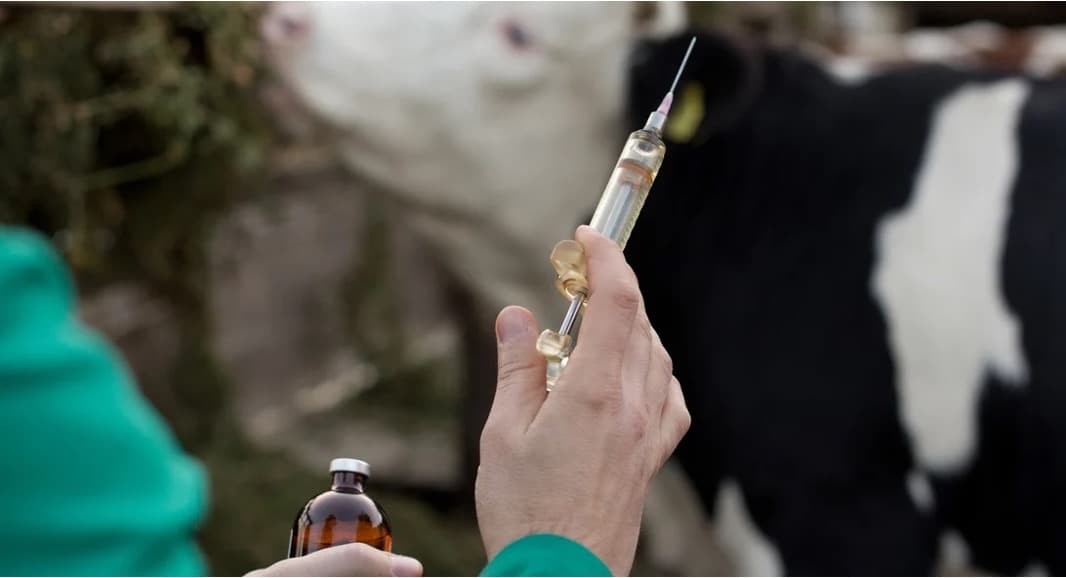
Perhaps the most transformative idea is a one-shot methane vaccine currently in development. This vaccine aims to stimulate immune responses that suppress methanogen microbes in the rumen for the animal’s lifetime after a single dose at birth — potentially slashing emissions across herds. Commercial availability could arrive in 5–10 years, but widespread adoption will hinge on clear economic incentives for farmers.
Source : Dairynews7x7 Feb 28th 2026 Read full story here
#MethaneMitigation #DairyBeefClimate #Bovaer #GeneticSelection #SustainableLivestock #AgInnovation