


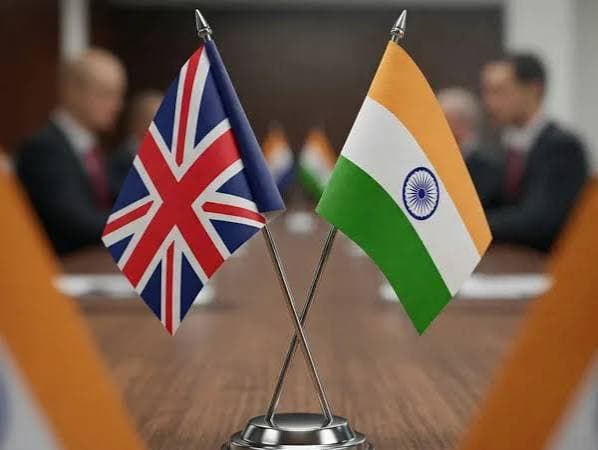



New Zealand’s push to advance a proposed free trade agreement with India has entered a critical political phase, with Trade Minister Todd McClay seeking support from the opposition New Zealand Labour Party to ensure the agreement passes Parliament. The move comes after coalition partner Winston Peters signalled opposition to the deal, primarily over concerns linked to immigration provisions within the proposed agreement.
According to reports, McClay has held discussions with Labour’s trade spokesperson Damien O'Connor and offered government briefings to explain the details of the trade pact. The opposition has indicated it may consider supporting the agreement but has requested access to the full, unredacted text before taking a final position. Labour leaders have emphasised the need to review the provisions carefully, particularly those linked to labour mobility and migrant protections.
A central issue in the debate involves immigration safeguards. Labour has called for stronger protections against migrant exploitation, including increasing the number of labour inspectors and reviewing visa conditions that tie migrant workers to specific employers. At the same time, the party has indicated it is open to provisions allowing around 1,667 temporary employment visas under the proposed agreement, while also recognising migrants’ rights to bring partners and dependent children.
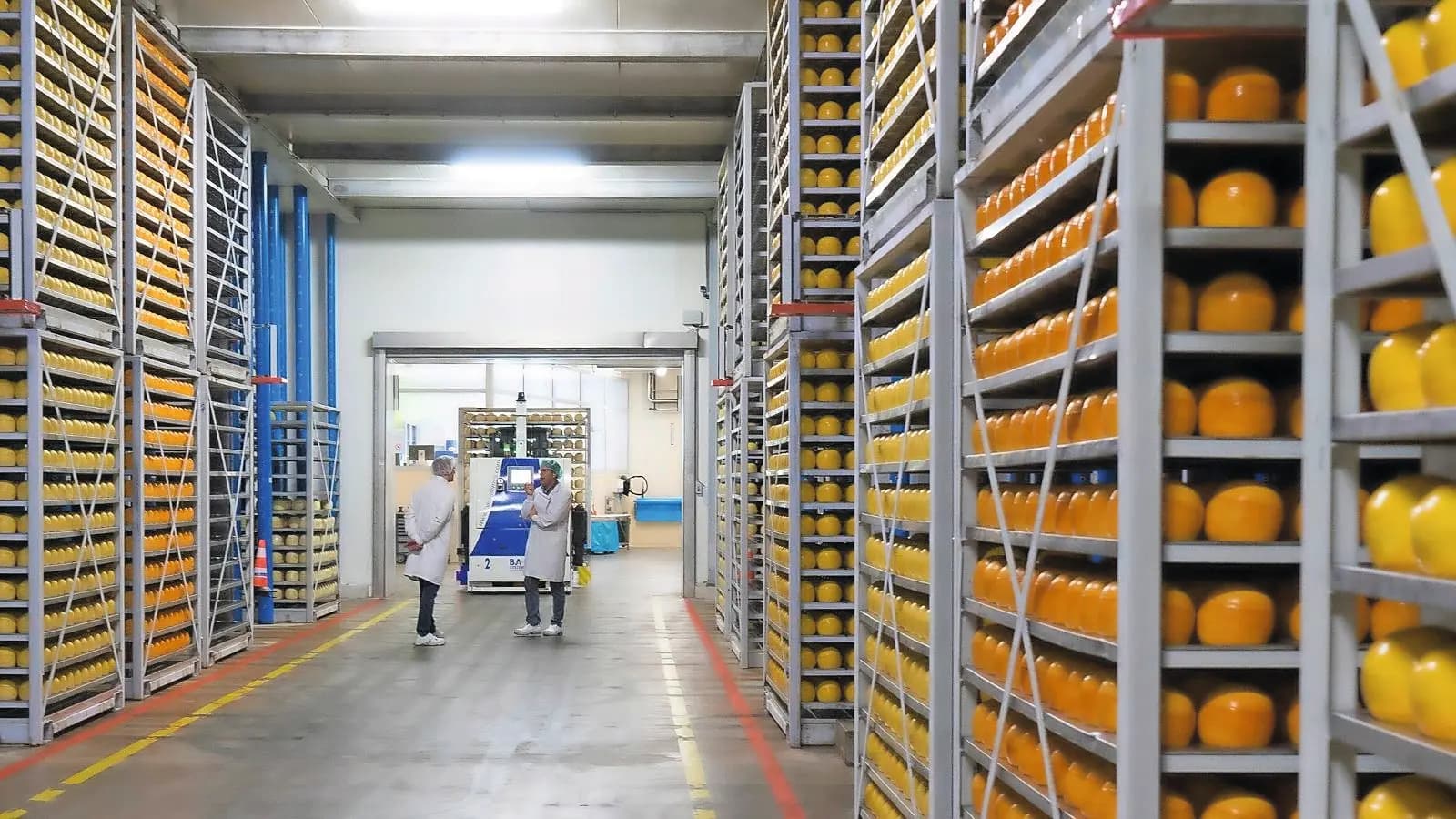
From a trade perspective, the proposed agreement is strategically significant because it opens a pathway to deeper commercial engagement between New Zealand and India — one of the world’s fastest-growing large economies with a population exceeding 1.4 billion people. However, dairy market access remains one of the most sensitive aspects of the negotiations.
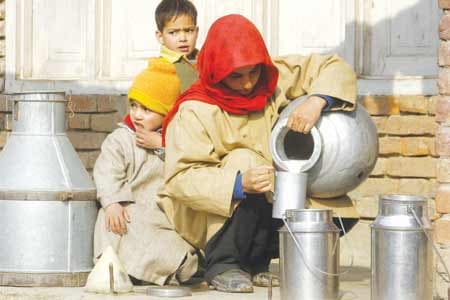
India maintains one of the world’s most protected dairy markets due to the sector’s importance to millions of smallholder farmers and rural livelihoods. As a result, New Zealand currently exports only a limited range of dairy products to India, primarily specialised products such as infant formula.
The proposed agreement reportedly includes a strategic clause that could become important for the dairy sector in the future. Under this provision, if India grants improved dairy market access to another trading partner through a separate trade deal, New Zealand would gain the right to negotiate similar treatment. This mechanism effectively keeps the door open for future dairy access even if the current agreement does not significantly liberalise the sector.
Another provision allows New Zealand to benefit from improved concessions that India may grant to other partners in future trade negotiations. For example, if India offers better tariff terms to the European Union under an upcoming trade agreement, New Zealand could seek equivalent treatment under the India–New Zealand deal.
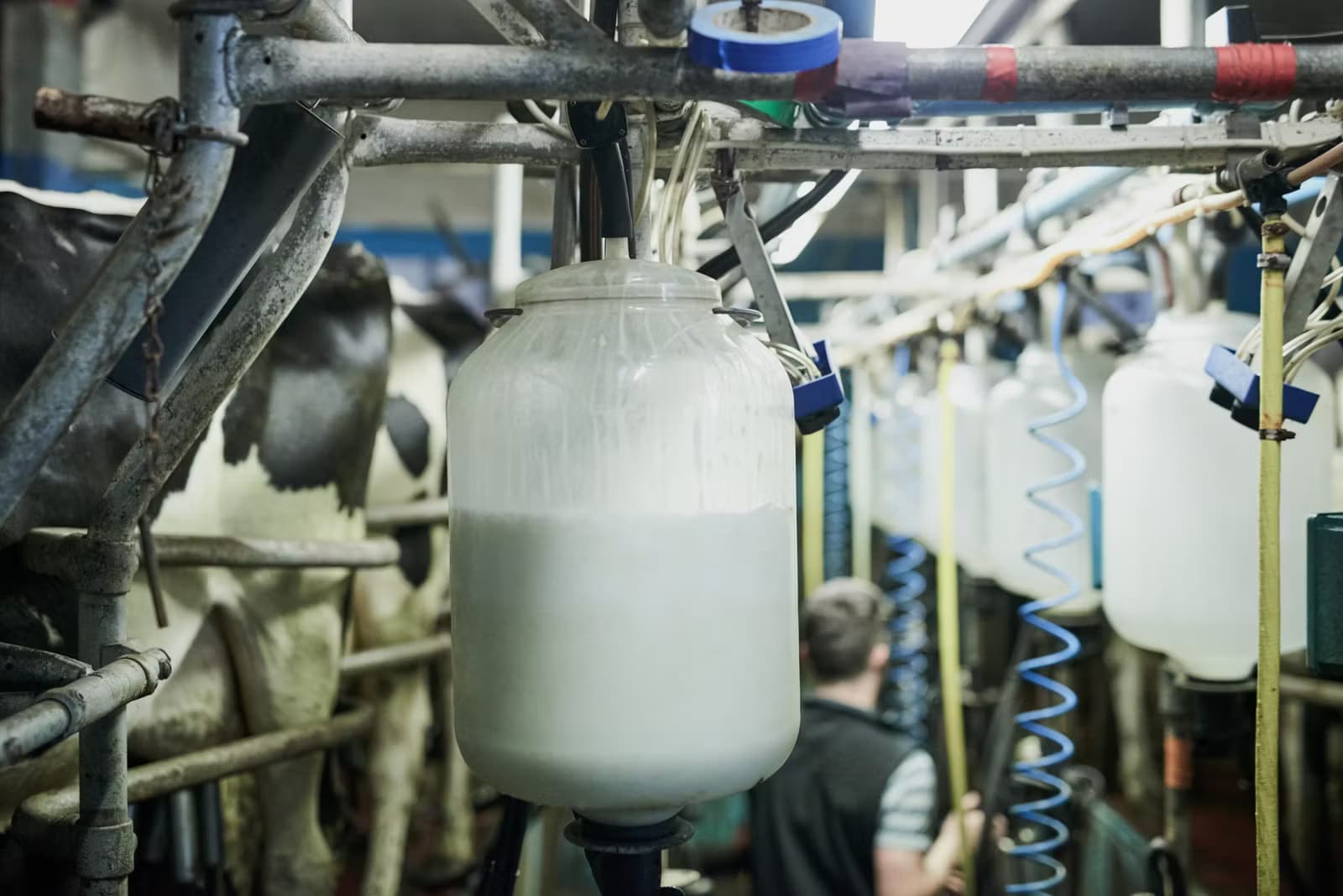
For the global dairy sector, the negotiations highlight the strategic importance of India’s market. As the world’s largest milk producer, India’s dairy policies have significant implications for global dairy trade flows. Any future opening of the Indian dairy market could reshape international trade dynamics in key commodities such as milk powder, butterfat and dairy ingredients.
While the agreement is still navigating domestic political hurdles in New Zealand, industry observers note that even limited progress in trade relations with India could have long-term implications for exporters and global dairy markets.
Source: DAirynews 7x7 March 5th 2026 Rural News Group
#DairyNews7x7 #GlobalDairyTrade #IndiaNewZealandFTA #DairyPolicy #AgriTrade #DairyEconomy