Latest Blogs
See More


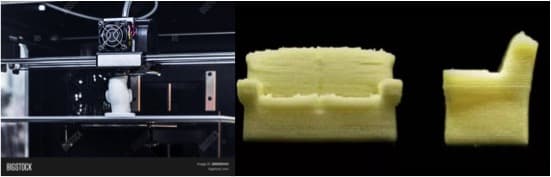
Researchers from the Singapore University of Technology and Design (SUTD) developed a method to perform direct ink writing (DIW) 3D printing of milk-based products at room temperature, while maintaining its temperature sensitive nutrients.
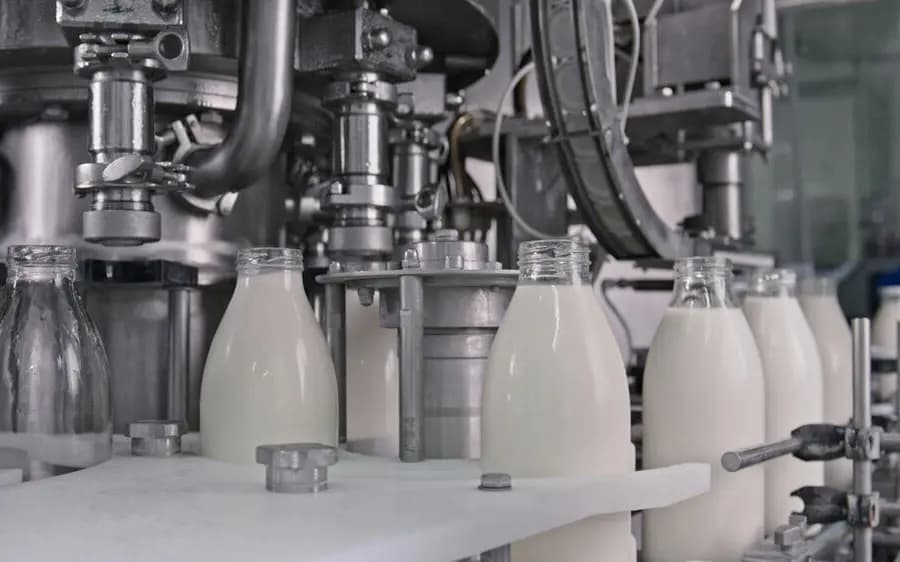
3D printing of food has been achieved by different printing methods, including the widely used selective laser sintering (SLS) and hot-melt extrusion methods. However, these methods are not always compatible with temperature-sensitive nutrients found in certain types of food. For instance, milk is rich in both calcium and protein, but as these nutrients are temperature sensitive, milk is unsuitable for 3D printing using the aforementioned printing methods which require high temperature. While the cold-extrusion is a viable alternative, it often requires rheology modifiers or additives to stabilize printed structures. Optimizing these additives is a complex and judicious task.
“This novel yet simple method can be used in formulating various nutritious foods including those served to patients in hospitals for their special dietary needs,” said the lead author and Ph.D. candidate from SUTD, Mr Lee Cheng Pau.
“Cold-extrusion does not compromise heat-sensitive nutrients and yet offers vast potential in 3D printing of aesthetically pleasing, nutritionally controlled foods customized for individual requirements,” added Assistant Professor Michinao Hashimoto, the principal investigator of the study.