Latest Blogs
See More
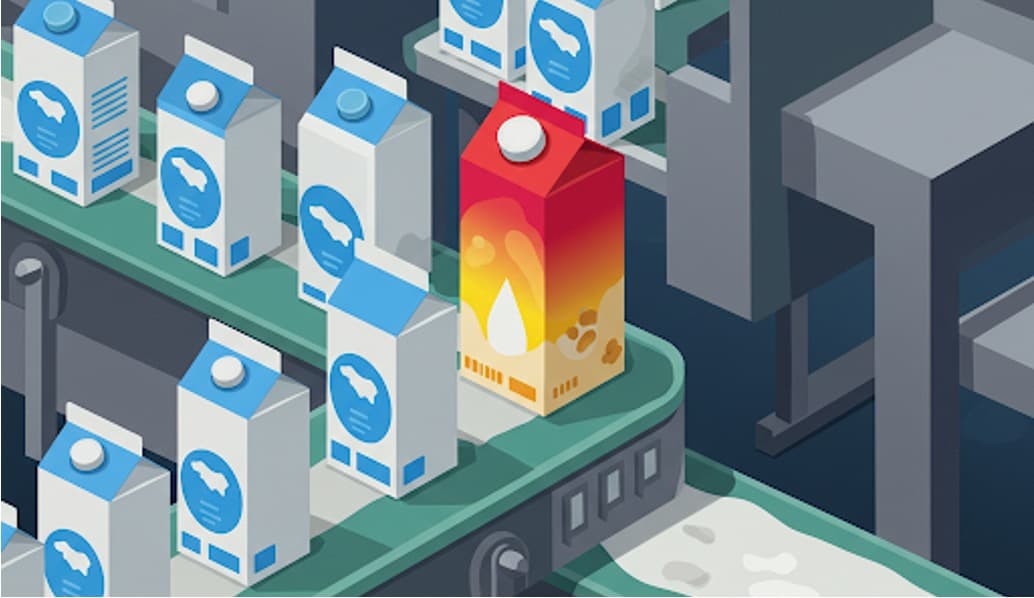
Consistency in dairy products is not just a technical challenge—it is a strategic necessity. Consumers expect the same taste, texture, and quality every time they buy milk, butter, cheese, or yogurt. However, delivering uniformity in dairy products is far more complex than in many other industries. It requires managing multiple variables, from breed and feeding practices to processing, packaging, and distribution. Despite these challenges, some dairy brands have mastered the art of consistency. The key to their success lies not just in strict quality control measures but in building an overarching culture of excellence.
When dairy executives and plant managers set clear, ambitious targets for quality, it filters down to every level—from farmworkers and plant operators to logistics teams and retailers. A commitment to zero deviation in product standards ensures that every decision, from sourcing raw milk to selecting packaging materials, aligns with the larger vision of consistency. In contrast, companies that lack this clarity often struggle with fluctuating product quality, resulting in consumer distrust and brand erosion.
When farmers receive training on best milking practices, hygiene standards, and rapid cooling techniques, the variability in raw milk composition reduces significantly. Brands that invest in milk collection infrastructure, such as bulk milk chillers and automated quality testing at procurement centers, create a first line of defense against inconsistencies. By implementing digital tracking of milk parameters, companies can map quality deviations back to specific suppliers, ensuring corrective actions are taken at the root level.
Beyond farming, dairy brands must work closely with fodder suppliers, logistics partners, and equipment manufacturers to maintain uniformity. The quality of dairy products is influenced by factors as small as variations in cattle feed to larger logistical challenges such as fluctuating cold chain efficiency. Brands that cultivate long-term supplier relationships, rather than just transactional partnerships, are better positioned to achieve consistency.

In the Indian context, many companies prioritize cost-cutting when sourcing raw materials, ingredients, and packaging, often opting for the lowest-priced vendors. They hesitate to invest in effective chemicals and sanitizers or to use them at the validated frequencies outlined in their quality systems. Manpower for hygiene and quality assurance is often minimized, and training costs are seen as an avoidable expense. Internal audits are neglected, while management review meetings are reduced to mere annual retreats or award functions. However, this short-term saving is an illusion. The money saved today ultimately turns into the cost of non-conformance—manifesting as rejections, rework, wastage, and, most critically, irreversible damage to the company’s brand image. True cost efficiency lies in embedding quality into the culture, ensuring long-term sustainability and success.
Building this culture requires structured training programs, skill enhancement initiatives, and a strong reward system. When employees understand how their role directly impacts brand reputation and consumer trust, they become proactive in identifying and addressing potential inconsistencies before they escalate. Leading dairy companies conduct frequent internal audits, real-time process monitoring, and factory-wide quality competitions to instill a sense of accountability among workers. A team that takes pride in its consistency will naturally deliver superior products.
Digital transformation has enabled companies to integrate consumer insights into their quality control frameworks. AI-driven sentiment analysis, online reviews, and direct consumer panels offer real-time insights into product perception. Leading brands use this data not just to fix inconsistencies but also to refine recipes, enhance packaging, and improve sensory appeal based on evolving consumer preferences.
In addition, companies must educate consumers on proper storage, handling, and usage of dairy products. Many perceived inconsistencies in taste and texture arise not from production errors but from improper refrigeration or transportation issues at the retailer’s end. By providing clear guidelines and empowering consumers with knowledge, brands can further strengthen the perception of consistency.
Dairy brands that have achieved this transformation have done so by:
Source : Dairynews7x7 Feb 16th 2025 Blog by Kuldeep Sharma Chief editor