Latest Blogs
See More
Indian Dairy News

DairyNews7x7
Global Dairy News


DairyNews7x7
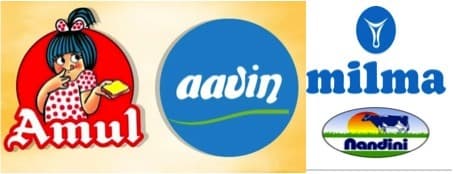
row between several dairy brands like Amul, Nandini, Aavin and Milma has been in the spotlight for the last few months. Dairy cooperative brands like these have been at the centre of India’s dairy sector growth for the last several decades.
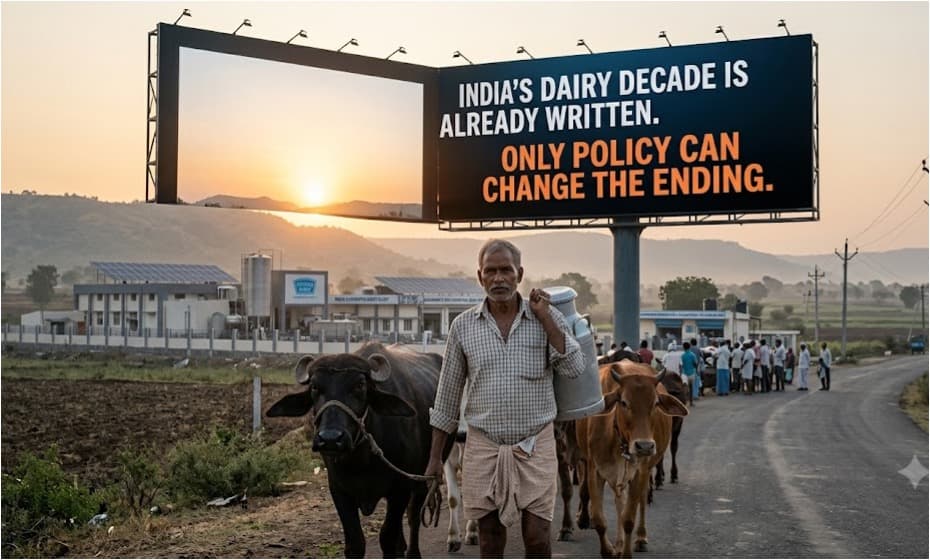
The story of dairy sector in India has been one of success. From a milk deficit nation in the early years after Independence, the country scripted a remarkable turnaround in the sector after Operation Flood during 1970s.
India is presently the largest producer of milk in the world. According to government statistics, India produced 17 million tonnes of milk in 1951, which increased to 210 million in 2021.
At the centre of dairy industry’s success is the cooperative model pioneered by the famous milk brand Amul. Just like Amul, which is the product of Gujarat’s dairy cooperative, several states have their own cooperative products. Karnataka’s Nandini, Kerala’s Milma and Tamil Nadu’s Aavin are some examples of popular milk brands of states.
These brands have been key players in their respective states, ensuring that the sector continues to post good growth. However, some of these brands have opposed each others’ entry into their respective states, raising fears about the welfare of local famers.
Before understanding the recent milk row between different milk federations, let’s take a look at how cooperatives were set up.
The Anand Pattern
In 1946, a dairy cooperative set up in Gujarat pioneered a model which became the bedrock of milk revolution in the country few decades later. Based in Anand, Gujarat, today Amul is the largest dairy cooperative brand operating in the country.
Its success is based on a three tier structure, commonly called Anand Pattern.
Cooperatives set up on this pattern operate on a three tier structure which is:
1) Village societies
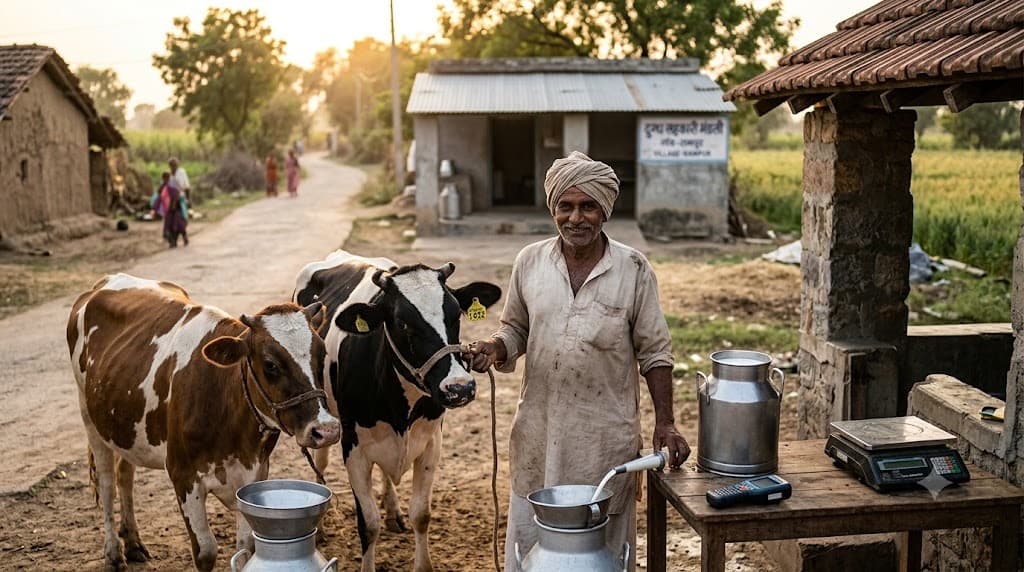
Milk producers in rural areas form their Dairy Cooperation Societies (DCS). The members of DCS sell their milk at collection centres.
2) District Unions
Under this tier, District Cooperative Milk Producers Unions operate to buy all the societies milk and then process and market the products produced by DCS members. The unions also provide support to societies to help them sustain the level of milk production.
3) State Federations
All the Cooperatives unions together form a federation which helps in marketing their dairy products.
The model was replicated across the country when the Government of India launched Operation Flood
Operation Flood
A visit to Anand in 1964 by then Prime Minister Lal Bahadur Shastri sparked the chain of events which led to the milk revolution that made India the largest milk-producing nation in world.
Following his visit, Prime Minister Shastri ordered the formation of National Dairy Development Board (NDDB) in 1965 with the mandate to implement the Anand Pattern of dairy cooperatives in rest of the country.
The first chairman of NDDB, Dr Verghese Kurien, is popularly known as the father of ‘white revolution’ in India. His birthday is celebrated as National Milk Day on November 26.
From 1970s, under Operation Flood thousands of cooperative societies were formed across the country. The Anand Pattern was implemented across the country with several states like Tamil Nadu and Karnataka adopting the model.
Operation Flood resulted in the production of milk increasing from 21 million tonnes in 1971 to 80.6 million tonnes in 2001. India surpassed USA in 1997-98 to become the world’s largest milk producer as a result of the success of cooperative model.
However, recently there have been issues between cooperatives of different states, leading to a political row in some states.
Territorial Battle Between Amul, Nandini, Aavin, Milma
In recent months, a rift among several dairy cooperatives has come to a surface. The most recent controversy over dairy sector began when Union Home Minister Amit Shah in December 2022 called for more cooperation between Karnataka’s Nandini brand and Gujarat’s Amul. Opposition claimed that this was an indication towards the merger of two dairy cooperatives, which will hurt the dairy farmers of the state.
The then BJP government of Karnataka dismissed the concerns and said that Nandini brand will continue to grow.
However, the storm over the issue began once again amid the Karnataka election campaign when Amul decided to sell its products in Bengaluru through quick commerce platforms. This sparked fears that Nandini’s business will be hurt due to Amul’s entry. A #SaveNandini campaign was also launched on social media with many opposition leaders asking the government to safeguard the local brand’s interests.
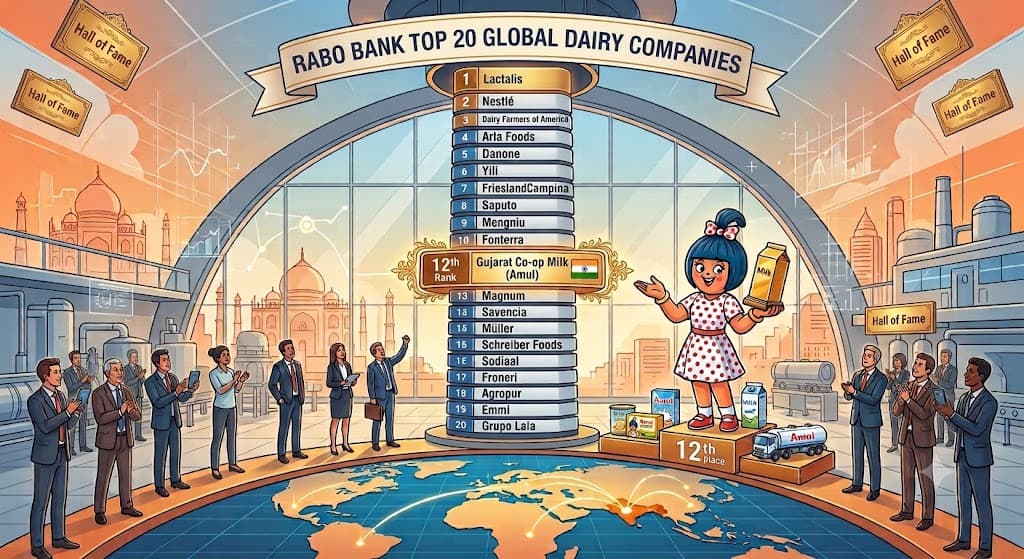
Karnataka Milk Federation’s Nandini is the second largest cooperative in the country, with net worth around Rs 21,000 crore. Amul holds the first spot as its umbrella body Gujarat Cooperative Milk Marketing Federation Ltd posted a turnover of over Rs 72,000 crore in 2022-23.
Some of Nandini’s products are also available in states like Maharashtra, Andhra Pradesh, Telengana and Goa. Its decision to start operations in Kerala was met with resistance from Kerala Cooperative Milk Marketing Federation (KCMMF), which sells products under brand name Milma.
KCMMF Chairman KS Mani criticised the tendency of other states milk federations to “aggressively enter markets outside their respective states”. Opposing the opening of Nandini outlets in the state, he had said, “It is a highly unethical practice which defeats the very purpose of India’s dairy movement and harms the interests of the farmers”.
Concerns on similar lines were raised by Tamil Nadu Chief Minister MK Stalin in his letter to Home Minister Amit Shah in which he opposed Amul’s milk procurement plans in the state.
He said that this would infringe upon milk-shed area of Aavin, Tamil Nadu’s dairy cooperative product.
“It has been a norm in India to let cooperatives thrive without infringing on each other’s milk-shed area. Such cross-procurement goes against spirit of ‘Operation White Flood’ and will exacerbate problems for the consumers given prevailing milk shortage scenario in the country,” CM Stalin’s letter said.
Local sentiments attached with the homegrown brand of states and terrotorial concerns over milk procurement are the major reasons for the recent milk row seen in different states.
As dairy cooperatives tussle over their control on milk-shed areas, it remains to be seen what comes next for the Indian dairy sector.