Latest Blogs
See More


Indian Dairy News

DairyNews7x7
Global Dairy News


DairyNews7x7
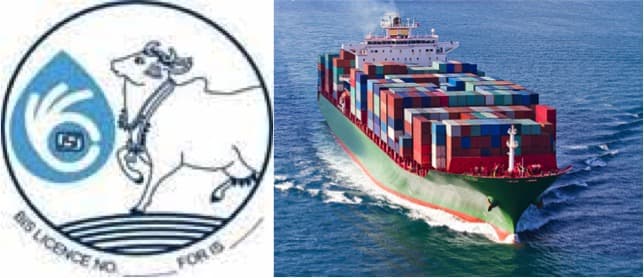
For India’s dairy sector, December 23, 2021, was a landmark day. On this day the Bureau of Indian Standards (BIS) with the help of National Dairy Development Board (NDDB) issued a unified system for quality and safety of milk and dairy products across the country. The integrated logo of Kamdhenu Cow – a seal of certified quality, is the first ever move by India to bring uniformity in milk quality and certify end-to-end milk value-chain.
The move benefits not only dairy consumers, but also milk producers who will get greater access to international markets and look forward to better price realisations.
India’s policy thrust in dairy has been to cement the country’s numero uno position in milk production as well as make it one of the top global dairy exporting nations. Currently, exports lag.
What has held back India’s dairy exports is quality issues and lack of value-addition. Conventionally Skimmed Milk Powder (SMP)/ Whole Milk Powder dominated India’s dairy export pack with nearly 35 per cent share in the overall dairy products exports. But this could change in the coming years.
RS Sodhi, Managing Director, Gujarat Cooperative Milk Marketing Federation (GCMMF), believes that Amul’s exports are set to rise by 70-80 per cent this year and the overseas market is getting attractive for other players too. “India is becoming a big force. Earlier, SMP was the main commodity of exports. Now our dairy fats are also becoming competitive,” Sodhi said.
2022 will also see dairy sector’s transformation being fuelled by Centre’s Dairy Investment Accelerator, which will help channelise the ₹15,000-crore Animal Husbandry Infrastructure Development Fund (AHIDF) for desired goals such as dairy processing and related value-addition infrastructure, etc.