


Logo
IndianGlobalBlogsPublicationsPodcastsMarketAboutContact
Logo
IndianGlobalBlogsPublicationsPodcasts
7News
Farm Economy Seen Stabilizing in 2026; Costs & Policy Still Key ConstraintsThe FAO Dairy Price Index declined by 4.4% in Dec 2025Heritage Foods MD Wins Outstanding Dairy Professional Award 2025Parag Milk Sharpens Focus on Health & Nutrition with Protein-Led PushMidan’s Top 10 Meat & Dairy Trends to Watch in 2026

Indian Dairy News

Farm Economy Seen Stabilizing in 2026; Costs & Policy Still Key Constraints
Jan 11, 2026

Farm Economy Seen Stabilizing in 2026; Costs & Policy Still Key Constraints

According to the December Ag Economists’ Monthly Monitor, agricultural economists now expect the farm economy to stabilise in 2026 after years of pressure, but high input costs and policy uncertainty...Read More

The FAO Dairy Price Index declined by 4.4% in Dec 2025
Jan 11, 2026

The FAO Dairy Price Index declined by 4.4% in Dec 2025

The FAO Dairy Price Index declined by 5.9 points (4.4 percent) in December. Butter prices fell sharply, driven by seasonally higher cream availability in Europe and stock accumulation following strong...Read More

Heritage Foods MD Wins Outstanding Dairy Professional Award 2025
Jan 11, 2026

Heritage Foods MD Wins Outstanding Dairy Professional Award 2025

Heritage Foods Limited announced that Mrs. N. Bhuvaneswari, Vice Chairperson & Managing Director, received the Outstanding Dairy Professional Award 2025 (Andhra Pradesh) at the Indian Dairy Associatio...Read More

DairyNews7x7
Advertisement

Latest Blogs

See More
From Forecast to Fact: 2025 Lessons, 2026 Dairy Outlook
Jan 01, 2026

From Forecast to Fact: 2025 Lessons, 2026 Dairy Outlook

As we step into 2026, it is worth pausing to reflect on how the Indian dairy sector navigated the challenges of 2025 and how closely reality tracked the forecasts I outlined in the first blog of last...Read More

India–NZ Dairy FTA: Safeguards or Silent Slippages?
Dec 26, 2025

India–NZ Dairy FTA: Safeguards or Silent Slippages?

The recently concluded India–New Zealand Free Trade Agreement (FTA) marks an important milestone in bilateral trade, while carefully ring-fencing India’s sensitive dairy sector. Under the agreement, c...Read More

Vision 2047: India’s Dairy Development Roadmap
Dec 21, 2025

Vision 2047: India’s Dairy Development Roadmap

As India moves steadily toward Vision 2047, the dairy sector stands at a strategic inflection point. From being a food security instrument in the decades following Independence, dairy has evolved into...Read More

Global Dairy Dynamics: Innovation, Sustainability & Inclusion
Dec 18, 2025

Global Dairy Dynamics: Innovation, Sustainability & Inclusion

The International Dairy Processing Conference (IDPC) 2026, organised by the Trade Promotion Council of India (TPCI) at Yashobhoomi Convention Centre, Dwarka, New Delhi on 7 January 2026, will serve as...Read More

Global Dairy News

Midan’s Top 10 Meat & Dairy Trends to Watch in 2026
Jan 10, 2026

Midan’s Top 10 Meat & Dairy Trends to Watch in 2026

Midan Marketing has published its annual Top 10 meat and dairy industry trends for 2026, highlighting the forces likely to shape consumer behaviour, product development and value-chain strategies in t...Read More

U.S. Dietary Guidelines Overhaul Raises Dairy, Meat
Jan 09, 2026

U.S. Dietary Guidelines Overhaul Raises Dairy, Meat

The newly released 2025–2030 U.S. Dietary Guidelines, unveiled by Health Secretary Robert F. Kennedy Jr. and the Department of Agriculture, represent a major shift in federal nutrition policy, placing...Read More

Spoiled Dairy Becomes 3D Printing Plastic
Jan 07, 2026

Spoiled Dairy Becomes 3D Printing Plastic

Researchers patent a biomaterial from wasted milk proteins, creating biodegradable 3D printing filament and a potential new revenue stream for dairy. Excess milk that once flowed down farm drains duri...Read More

DairyNews7x7
Advertisement
Dairy News 7x7

Your trusted source for all the latest dairy industry news, market insights, and trending topics.

FOLLOW US
CATEGORIES
  • Global News
  • Indian News
  • Blogs
  • Publications
  • Podcasts
SUBSCRIBE TO OUR NEWSLETTER

Stay informed with the latest updates and trending news in the dairy industry.

No spam, unsubscribe at any time

GET IN TOUCH
C-49, C Block, Sector 65,
Noida, UP 201307
+91 7827405029dairynews7x7@gmail.com

© 2026 Dairy News 7x7. All Rights Reserved.

Terms of ServicePrivacy Policy

Safer Dairy Products With Fewer Chemicals: New Research Breakthrough

By DairyNews7x7•Published on November 09, 2025

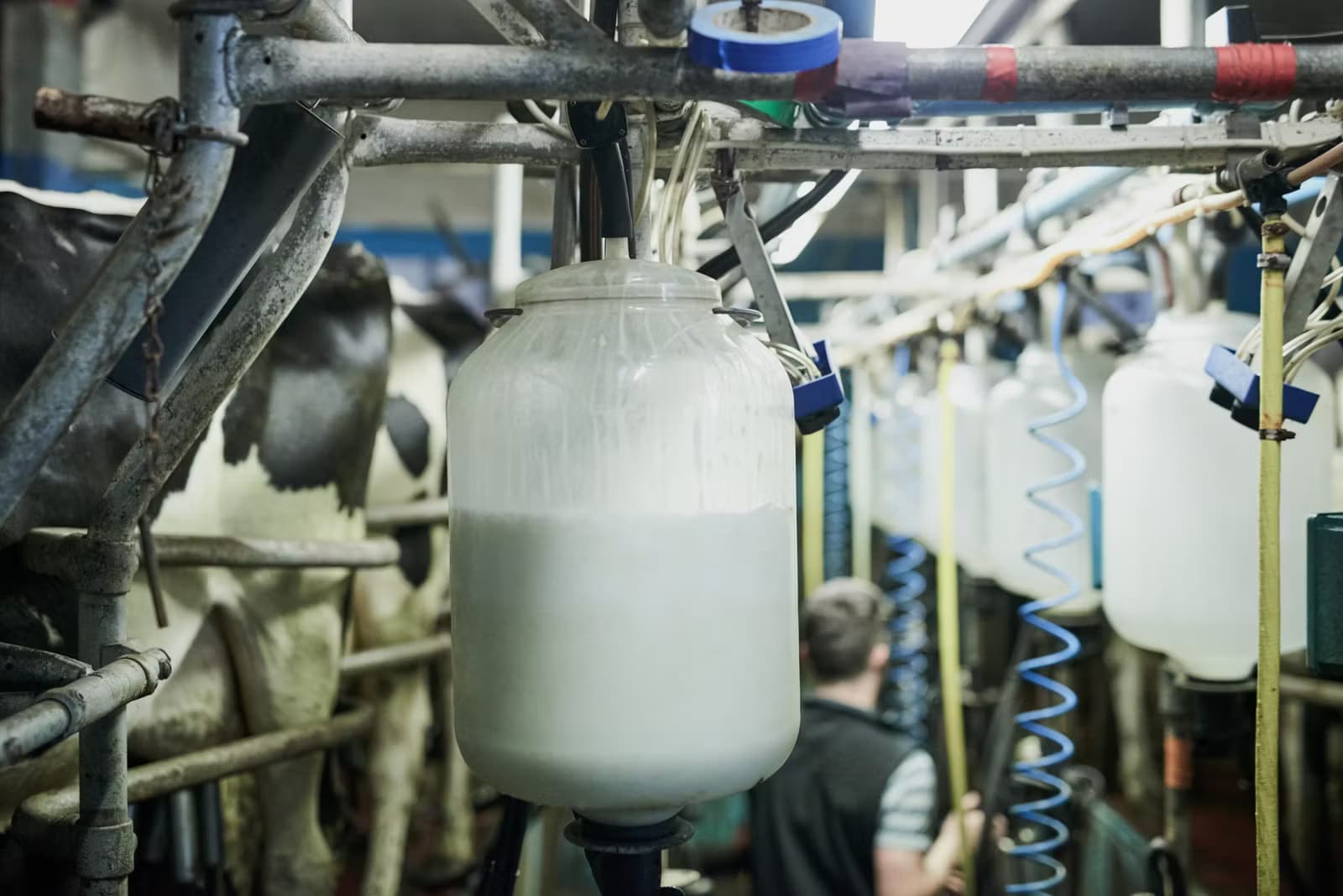
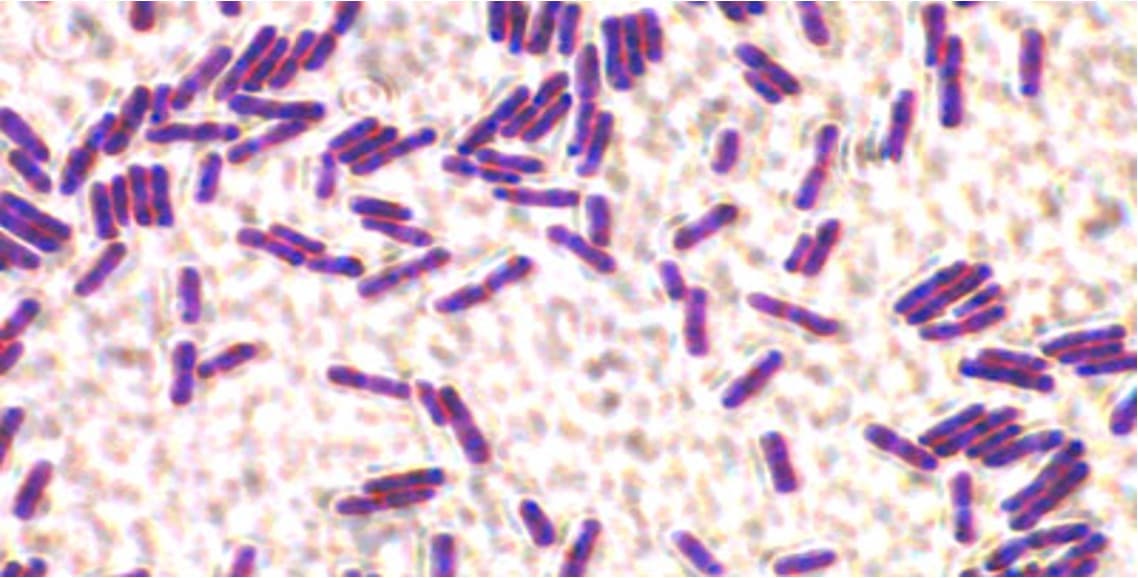
Researchers at Umeå University have launched a major new project, backed by SEK 6 million, to tackle the persistent challenge of Bacillus spores in dairy plants — the hardy bacterial form that survives pasteurisation and conventional cleaning procedures.

The research has two main goals: first, to map where spores attach in processing systems (tanks, pipes, connections) so equipment can be redesigned; second, to develop ultra-sensitive detection methods and low-chemical cleaning techniques. These innovations promise not only to reduce chemical usage but also to cut waste from rejected batches — a major cost and environmental burden for dairy processors.

For India’s dairy sector, this signals a timely warning and opportunity: as consumer demand for “clean-label”, chemical-minimal dairy grows, processors and cooperatives must upgrade hygiene protocols, adopt smarter monitoring and reposition quality as a premium differentiator — not just a compliance checkbox.

Key take aways

Researchers at Umeå University in Sweden have embarked on a breakthrough study to make dairy products safer with fewer chemicals, targeting one of the most stubborn challenges in milk processing — Bacillus spores. These microscopic spores are highly heat-resistant and often survive pasteurisation and standard cleaning-in-place (CIP) systems, leading to off-flavours, spoilage, and costly batch rejections. By mapping where these spores attach inside processing equipment — especially in valves, joints, and tanks — the research team aims to redesign dairy systems for cleaner, safer production.

The project, supported by SEK 6 million in funding, focuses on developing low-chemical, enzyme-based cleaning technologies and ultra-sensitive detection methods to monitor contamination. Such innovations could reduce chemical use by up to 50%, shorten rinse cycles, and significantly cut water and energy consumption — advancing the global “Clean Label Dairy” movement that prioritises purity and sustainability.

For India’s rapidly modernising dairy industry, this research is both a warning and an opportunity. As consumers increasingly demand chemical-free, high-quality milk and products, processors must evolve from mere compliance toward a culture of trust-based quality. Adopting low-chemical cleaning technologies will not only save costs and lower effluent loads but also strengthen India’s position in global dairy exports by establishing “green dairy plants” that deliver safe, premium-quality products every time.

Source : Dairynews7x7 Nov 9th 2025 Science X

Swipe to continue reading

Previous Article

Next Article