Latest Blogs
See More


Indian Dairy News


DairyNews7x7
Global Dairy News


DairyNews7x7
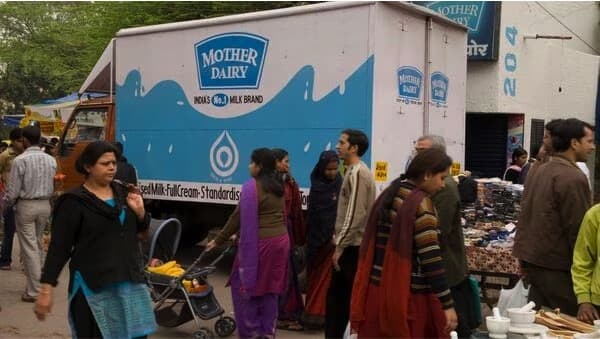
The increase is likely as retail milk prices have already risen 10% in a year and 22% in three years. Sharma also notes that poor monsoon and higher fodder prices could further impact milk prices.
Prices of retail milk are expected to go up 4-5% year-on-year in FY24 because of dairy processors fail to recover the cost, which has been hit throughout pandemic, especially during the second wave amid higher commodities prices pushing up fodder prices and weighing on milk productivity, Crisil director Pushan Sharma told Mint in an interview. This comes at a time when retail milk prices have shot up by 10% in a year and nearly 22% in three years. Milk prices may also rise if productivity gets hit because of anticipated poor monsoon in August and September and fodder prices continue to remain sticky or increase.
Sharma further said that poor kharif sowing was caused initially by rain deficiency, with the situation exacerbated by the rain deluge; which may lead to resowing thereby disturbing the crop calendar and switching to short term crops. In the middle term, rice prices are likely to remain firm because of lower FCI stock and the government announcing higher minimum support price for paddy. After a significant rise in almost all vegetable prices, especially tomato, the agriculture economist sees onion prices going up as most of stocks to be exhausted by around mid-September.
Also, rising global temperature causing more pest attacks may weigh on farm crop productivity and thus production in coming days as there is a correlation between metabolic rate of pests and temperature. Speaking about edible oil import outlook, Sharma said India may rely more on Brazil than Argentina to meet its soyoil demand, as the soybean production in the US is hit because of a drought-like situation. Edited excerpts:
Milk production was also affected because of farmers being unable to take care of animals well in the pandemic when commodities prices shot up influencing fodder prices. This left a significant impact on overall milk productivity which then manifested in shortages of ghee, butter etc. over a year and half.
The procurement price for milk (dairy processors pay to farmers) also went up because of lower milk production and high cost of fodder. Some of the cost was passed to the retail customers. When we look at the profitability of various dairy processors, it has been coming down over the last couple of years and this implies dairy processors are not being able to completely pass on the cost increase that they have faced to final retail buyers.
As a result, we have seen a significant hike in milk prices and this year, too, we are expecting a 4-5% year-on-year rise in FY24. The reason for the anticipated rise is because of the under-recovery in cost over the last year. Additionally, if there is a productivity issue because of poor monsoon in August and September and fodder prices continue to remain sticky or increase, it could contribute to the hike.
In the case of UP, the recent heavy downpour has adversely impacted the western part of the state. Maize and groundnut crops in districts like Bareilly, Kannauj and Farukkabad have been reported to be washed away. While resowing of maize is likely to be attempted, area under groundnut is expected to decline in the state.
Further, the recent heavy rainfall is observed to have been detrimental for vegetable crops across all three states. Standing crops of tomato, cucurbits, chilli and okra have been reportedly washed away or significantly damaged.
The geographical distribution of southwest monsoon has been skewed from the beginning of the season. While all the northern states, barring UP have witnessed rainfall in excess to large excess, few key states like Bihar, Odisha, Maharashtra, Telangana, Karnataka and Kerala have received rainfall in deficit during the same period ranging from 20-31% below LPA. Sowing in these states, except Bihar has been reported to be lower on year as on 14th July. While sowing momentum in Maharashtra and Karnataka will depend on how rainfall pans out in the next 10 days, in other states like Bihar, Odisha and Telangana where paddy is the key kharif crop, sowing window can be extended up to first week of August, thereby giving some respite.
From productivity point of view, following delayed sowing and anticipated resowing due to the erratic monsoon, the crop calendar is expected to be disturbed and extended this season. Productivity of cotton, pulses and oilseeds could be hit. However, how the rainfall pans out during critical stages of crops such as flowering and grain or fruit formation in August-September remains a key monitorable as there might be lower rainfall in these two months due to El Nino effect.
In the case of soybean oil, share of imports from Brazil has gone up to 39% while that of Argentina has declined to 56% because of lower output amid drought-like situation. For OY23, we expect Brazil to maintain its share in India’s soybean oil import basket at 40% and export around 1.4 million tonnes to India. Argentina typically accounted for 62% share in India’s soybean oil import basket and Brazil contributes 30%.
The one way of looking at it is that farmers are required to apply more pesticides and insecticides if temperature is high. More crop damage is expected if farmers do not use pesticides, which could potentially bring down farm production.