Latest Blogs
See More

Indian Dairy News


DairyNews7x7
Global Dairy News
DairyNews7x7
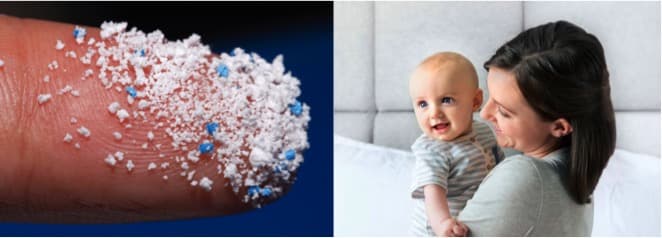
Recent research has uncovered the presence of microplastics in breast milk. Ingestion through contaminated food, water and even airborne particles are possible ways of how microplastics find their way into breast milk.
Breast milk, often referred to as “liquid gold,” has long been celebrated for its essential nutrients and protective properties for infants. However, recent research has uncovered a concerning issue: the presence of microplastics in breast milk.
These tiny, nearly invisible particles originating from plastic pollution have raised alarm among scientists and mothers alike. Let’s delve into the increasing worry about microplastics in breast milk, the potential health risks associated with them, and the pressing necessity for more research and lasting solutions.
India Today spoke to Dr Manju Gupta, Senior Consultant Obstetrician and Gynaecologist, Motherhood Hospital, Noida, to shed light on this matter.
They enter the environment through various means, including improper waste disposal, degradation of plastic products, and the breakdown of synthetic textiles.
How microplastics find their way into breast milk remains uncertain, but potential routes include ingestion through contaminated food, water and even airborne particles.
Microplastics can contain and absorb harmful chemicals, including toxic additives used in plastic manufacturing, and pollutants from the surrounding environment.
When ingested, these chemicals may leach into the body and possibly affect infants’ development and health.
One of the main worries is that endocrine disruption could happen, which can mess with hormones and growth, possibly resulting in long-term health problems.
Addressing the problems of microplastics requires multiple strategies, particularly reducing plastic production, properly managing waste, and encouraging recycling.
Regulations must be put in place to determine safe levels of microplastics in food, water, and items we buy.