Latest Blogs
See More




Indian Dairy News


DairyNews7x7
Global Dairy News

DairyNews7x7
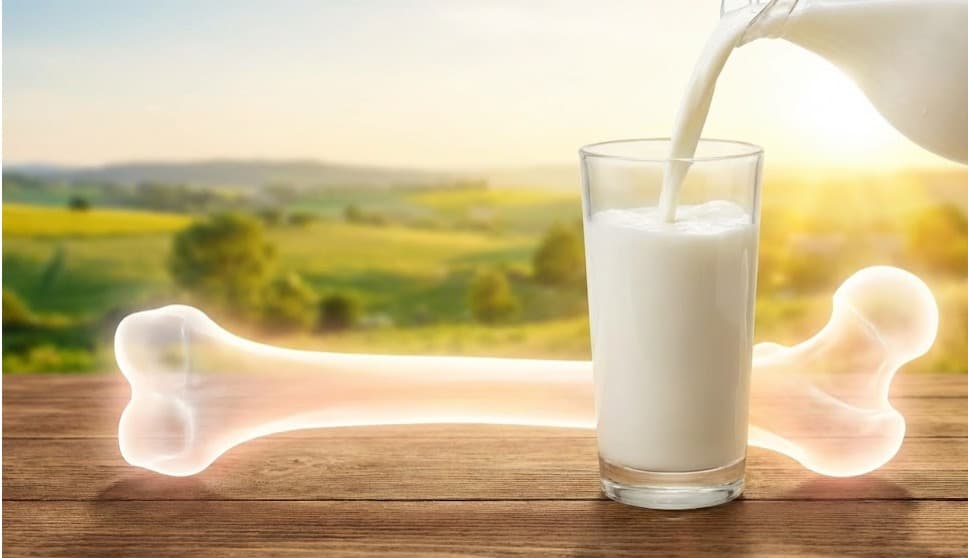
A fresh review of scientific evidence has raised new questions about the long-held belief that drinking milk automatically builds stronger bones. Recent research suggests that while milk offers nutrients — calcium, protein, vitamin D — important for bone health, its benefits are not universal or guaranteed.
Historically, milk has been promoted as a key source of calcium to prevent osteoporosis and fractures — particularly for children, adolescents, and older adults. But recent meta-analyses and long-term studies show a more mixed picture: milk supplementation leads to small gains in bone-mineral density (BMD) at hip and spine in some trials, yet does not always reduce fracture risk or prevent bone loss.
Medical experts now emphasize that bone health depends on multiple factors — balanced diet (not just calcium), vitamin D status, regular weight-bearing exercise, genetic predisposition, overall lifestyle and gut health — rather than milk alone.
Moreover, excessive milk consumption — often thought to offer greater protection — may not deliver proportional benefits; some cohort-studies linked high intake to no reduction in fracture risk and in some cases even increased fracture incidence, though findings remain debated.
Bottom line: Milk can be a helpful component of a bone-supportive diet — especially for children, adolescents, or people with deficient calcium/vitamin D — but it is not a magic bullet. Strong bones require a holistic approach: adequate nutrients (calcium, vitamin D, protein), regular physical activity (especially weight-bearing exercises), and a balanced overall lifestyle.
New research suggests that cottage cheese — not milk — may be one of the most effective foods for strengthening bones, offering an unexpectedly powerful boost to bone-health across ages.
The study, published in 2025, found that cottage cheese delivers a potent mix of calcium, protein, phosphorus and other bone-supportive nutrients, combined in a form that is easier to digest and absorb than standard milk or many other dairy products. Researchers say this nutrient profile helps support bone-mineral density, muscle strength and skeletal health — making cottage cheese especially useful for children, adults with busy lifestyles, and older adults whose bones are more fragile.
Unlike heavy cheeses, cottage cheese is relatively low in fat and calories while offering high-quality protein and good calcium delivery — a balance that makes it a versatile, everyday food. This makes it suitable even for people who may otherwise struggle to digest rich dairy products.
Nutrition experts quoted in the report emphasise that bone health depends on more than just calcium intake — regular physical activity, adequate vitamin D, balanced diet and lifestyle all play key roles — but added that cottage cheese is proving to be one of the most practical, nutrient-dense, compliant dairy options for bone maintenance.
The finding challenges long-held assumptions favouring milk as the “go-to” for bone strength. While milk remains a good source of calcium and vitamin D, the evidence suggests that relying solely on milk may not be sufficient — and that including foods like cottage cheese, which combine multiple bone-supportive nutrients with better digestibility, may be more effective.
Cottage cheese can be a go-to dairy product for bone health — especially beneficial for children, elderly, or adults with high nutritional demands or digestion sensitivity.
For dairy producers and processors: there may be a rising demand for cottage cheese and other soft, high-protein dairy items, which could reshape product portfolios and market strategies.
Nutrition guidelines & consumer messaging may evolve — from “drink more milk” to “diversify dairy intake” with value-added/processed dairy products rich in bone-supportive nutrients.
Source :Dairynews7x7 Dec 11th 2025 TOI based on Research study