Logo
IndianGlobalBlogsPublicationsPodcastsMarketAboutContact
Logo
IndianGlobalBlogsPublicationsPodcasts
7News
World Pays More, Demands More: New Frontier of Dairy TradeIndia-EU Carbon Trade Talks: Why Dairy Is Watching CloselyDairy Demand to Spike for Makar Sankranti FestivalSouthern Dairy & Food Conclave Ends, Blending Technology with TraditionFarm Economy Seen Stabilizing in 2026; Costs & Policy Still Key Constraints

Indian Dairy News

India-EU Carbon Trade Talks: Why Dairy Is Watching Closely
Jan 11, 2026

India-EU Carbon Trade Talks: Why Dairy Is Watching Closely

India and the European Union (EU) are intensifying negotiations on a long-pending Free Trade Agreement (FTA), with the EU’s Carbon Border Adjustment Mechanism (CBAM) at the centre of climate and trade...Read More

Dairy Demand to Spike for Makar Sankranti Festival
Jan 11, 2026

Dairy Demand to Spike for Makar Sankranti Festival

As Makar Sankranti approaches, India’s dairy industry — especially in Bihar and neighbouring regions — is gearing up for a significant seasonal surge in demand for milk, curd and related dairy product...Read More

Southern Dairy & Food Conclave Ends, Blending Technology with Tradition
Jan 11, 2026

Southern Dairy & Food Conclave Ends, Blending Technology with Tradition

The Southern Dairy & Food Conclave 2026 (SDFC-2026) — organised by the Indian Dairy Association’s South Zone under the banner of the Southern Dairy Summit — concluded in Calicut (now Verghese Kurien N...Read More

DairyNews7x7
Advertisement

Latest Blogs

See More
From Forecast to Fact: 2025 Lessons, 2026 Dairy Outlook
Jan 01, 2026

From Forecast to Fact: 2025 Lessons, 2026 Dairy Outlook

As we step into 2026, it is worth pausing to reflect on how the Indian dairy sector navigated the challenges of 2025 and how closely reality tracked the forecasts I outlined in the first blog of last...Read More

India–NZ Dairy FTA: Safeguards or Silent Slippages?
Dec 26, 2025

India–NZ Dairy FTA: Safeguards or Silent Slippages?

The recently concluded India–New Zealand Free Trade Agreement (FTA) marks an important milestone in bilateral trade, while carefully ring-fencing India’s sensitive dairy sector. Under the agreement, c...Read More

Vision 2047: India’s Dairy Development Roadmap
Dec 21, 2025

Vision 2047: India’s Dairy Development Roadmap

As India moves steadily toward Vision 2047, the dairy sector stands at a strategic inflection point. From being a food security instrument in the decades following Independence, dairy has evolved into...Read More

Global Dairy Dynamics: Innovation, Sustainability & Inclusion
Dec 18, 2025

Global Dairy Dynamics: Innovation, Sustainability & Inclusion

The International Dairy Processing Conference (IDPC) 2026, organised by the Trade Promotion Council of India (TPCI) at Yashobhoomi Convention Centre, Dwarka, New Delhi on 7 January 2026, will serve as...Read More

Global Dairy News

Midan’s Top 10 Meat & Dairy Trends to Watch in 2026
Jan 10, 2026

Midan’s Top 10 Meat & Dairy Trends to Watch in 2026

Midan Marketing has published its annual Top 10 meat and dairy industry trends for 2026, highlighting the forces likely to shape consumer behaviour, product development and value-chain strategies in t...Read More

U.S. Dietary Guidelines Overhaul Raises Dairy, Meat
Jan 09, 2026

U.S. Dietary Guidelines Overhaul Raises Dairy, Meat

The newly released 2025–2030 U.S. Dietary Guidelines, unveiled by Health Secretary Robert F. Kennedy Jr. and the Department of Agriculture, represent a major shift in federal nutrition policy, placing...Read More

Spoiled Dairy Becomes 3D Printing Plastic
Jan 07, 2026

Spoiled Dairy Becomes 3D Printing Plastic

Researchers patent a biomaterial from wasted milk proteins, creating biodegradable 3D printing filament and a potential new revenue stream for dairy. Excess milk that once flowed down farm drains duri...Read More

DairyNews7x7
Advertisement
Dairy News 7x7

Your trusted source for all the latest dairy industry news, market insights, and trending topics.

FOLLOW US
CATEGORIES
  • Global News
  • Indian News
  • Blogs
  • Publications
  • Podcasts
SUBSCRIBE TO OUR NEWSLETTER

Stay informed with the latest updates and trending news in the dairy industry.

No spam, unsubscribe at any time

GET IN TOUCH
C-49, C Block, Sector 65,
Noida, UP 201307
+91 7827405029dairynews7x7@gmail.com

© 2026 Dairy News 7x7. All Rights Reserved.

Terms of ServicePrivacy Policy

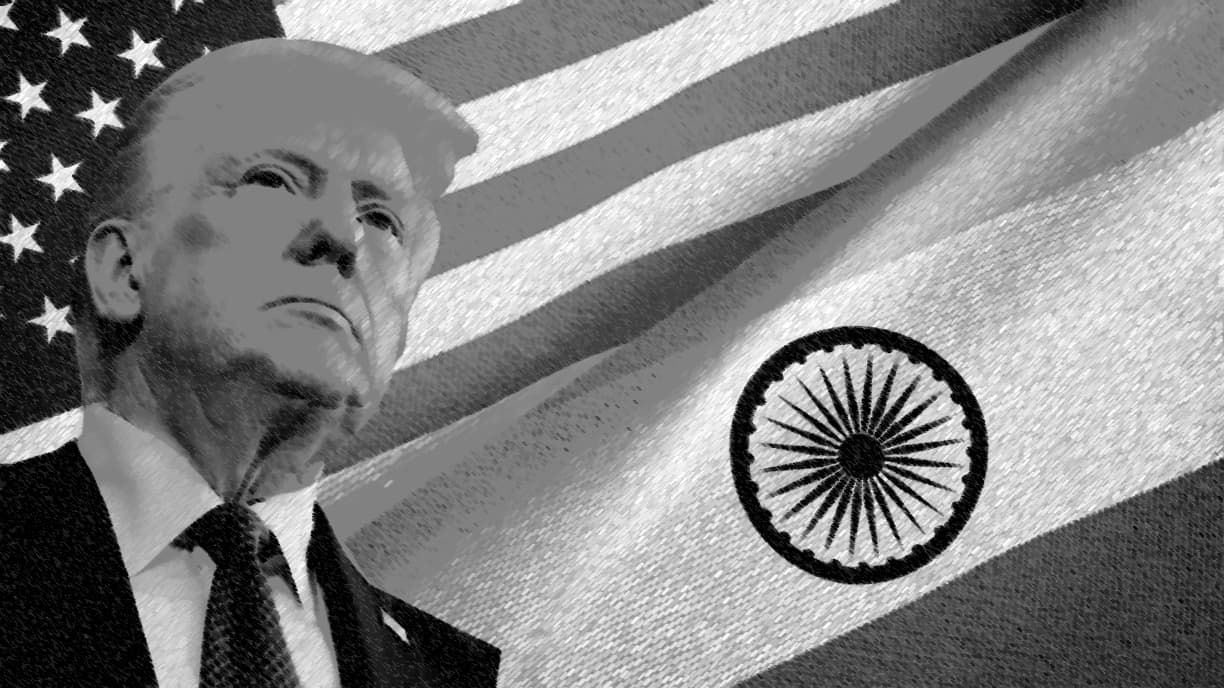
India Says No to US Farm Imports: Prioritizing Self-Reliance

By DairyNews7x7•Published on September 23, 2025

Eminent agricultural scientist Ashok Gulati has urged India to relax tariffs on US imports of soybean, corn, and skimmed milk powder, warning of missed export opportunities amounting to US$50 billion if India does not open up its agriculture and dairy sectors. He questioned why tariffs on soybean, corn, and milk remain between 50-60%, while edible oils, for instance, attract just 10%.

But a closer look reveals India may not need these imports. India is already a major producer of corn—producing over 42 million tonnes—and its imports of corn from the US in FY25 were very minor. Exports of milk and dairy products from India stood at US$272.6 million in FY24. Domestic per-capita milk availability has also increased, reaching 471 grams per day by February 2025, well above the Indian Council of Medical Research’s (ICMR) recommendation of 300 grams.

The National Institution for Transforming India (NITI Aayog) had earlier suggested in a report titled “Promoting India-US Agricultural Trade Under the New US Trade Regime” that allowing imports of GM soybeans and corn (for feed/industrial use) might be useful, while keeping restrictions on food-grade GM crop imports. This proposal, however, was quietly withdrawn after protests from farmer groups and industry stakeholders.

Moreover, India remains heavily dependent on imports of edible oils, which account for over 55% of the country’s consumption, with palm oil being the biggest share, followed by sunflower oil and soyoil. In contrast, soy-oil represents a smaller but growing share. The article argues that India does not need US farm imports for products like corn or milk given existing production, cultural concerns, regulatory standards, and risks to domestic farmers.

Industry Insights

The debate underscores a tension between trade liberalization and food sovereignty. While reducing barriers to imports could improve availability and possibly reduce some input costs, it risks undercutting domestic producers—especially small and marginal farmers who form the bulk of India’s dairy and crop sectors. With corn production already strong and milk supply exceeding nutritional benchmarks, the economic benefit of opening up may be marginal relative to the risks of dependency or domestic price pressure.

Additionally, there are cultural, regulatory, and biosecurity dimensions to consider. India’s rules around GM crops and food labeling, its definition of vegetarian milk, and consumer concerns could make imports controversial beyond economics. The withdrawal of NITI Aayog’s earlier proposal after backlash shows how sensitive these issues are. Policies will need to navigate not just tariffs, but public trust, farmer livelihoods, and regulatory consistency if trade adjustments are made.

Source : Dairynews7x7 Sep 23rd 2025 Read the original story here

Swipe to continue reading

Previous Article

Next Article