Latest Blogs
See More


Indian Dairy News


DairyNews7x7
Global Dairy News


DairyNews7x7
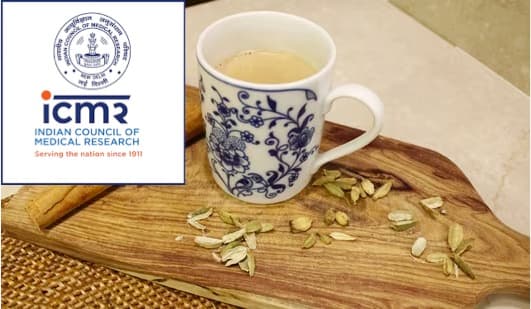
A new guideline issued by The Indian Council of Medical Research (ICMR) recommends that tea and coffee consumers be cautious about excessive consumption. The ICMR, in collaboration with the National Institute of Nutrition (NIN), released 17 new dietary guidelines for Indian citizens to promote healthy eating habits nationwide. The guidelines stress the importance of a diverse diet and being physically active. The research also raised concerns over excessive consumption of caffeinated drinks, including milk tea.

The report also said, "Beverages (like tea) bind dietary iron and make it unavailable." It reveals that tannins in caffeinated beverages can hinder iron absorption in our bodies. The tannins bind to the iron in the stomach, leading to iron deficiency and conditions like anaemia. Additionally, excessive consumption of coffee and tea elevates blood pressure and causes cardiac irregularities.
The ICMR guidelines recommend a daily caffeine intake of 300 mg. To put this into perspective, a 150 ml serving of brewed coffee contains 80 to 120 mg of caffeine, while instant coffee has 50 to 65 mg. Similarly, a serving of tea contains 30 to 65 mg of caffeine. Understanding these figures can help you manage your caffeine intake more effectively.