Latest Blogs
See More


Indian Dairy News


DairyNews7x7
Global Dairy News


DairyNews7x7
Marred by inflation, dairy companies and cooperatives have increased milk prices, much to the woes of the end-consumer. Amul, revised milk price by Rs 2 per litre, in Ahmedabad and Saurashtra in Gujarat and Delhi NCR; with effect from July 21. Others such as Mother Dairy and Gokul, too, have hiked prices.
Mother Dairy has also raised prices by Rs 2 per litre, while Kolhapur District Co-Operative Milk Producers’ Union, which owns the Gokul brand; announced a hike in procurement price by Rs 2 for buffalo milk and Re 1 for cow milk from July 11.
Also read : After Amul and Mother Dairy, Gokul also raise milk price by Rs 2 per liter
Following the price hike, now, in Ahmedabad, the price of Amul Gold will be Rs 29 per 500 ml; Amul Taaza will be Rs 23 per 500 ml, and Amul Shakti will be at Rs 26 per 500 ml. Mother Dairy’s full 1,000 ml cream milk will be available at Rs 57, instead of Rs 55.
The supply of milk has not suffered, but the cost of procurement, packaging, and freight has gone up, leading to this price hike. The dairy industry cites multiple reasons — from the rise in procurement to transportation — for hiking prices.
Also read : Amul hikes milk prices by Rs 2 due to high packaging and logistics costs
Farm prices include the cost of fodder or animal feed, which has risen by 10-20 percent in the last one year, according to industry estimates on account of costlier raw materials.
The price of soya DOC, a raw material used in animal fodder today stands at Rs 75 per kg, as opposed to Rs 40-45 a year ago, according to animal feed manufacturers. Traditional feed such as cotton seed oil cake has seen a substantial price rise of 40 percent. Apart from this, the cost of transportation of raw materials as well as finished products (animal feed) has gone up due to diesel price hike, according to manufacturers.
Hence, farmers are spending more to feed their cattle, which has raised the cost of milk procurement for dairy cooperatives and companies.
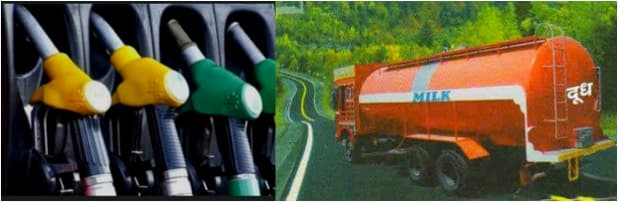
On top of this, the dairy industry is also struggling with increased transportation costs. According to an executive at a dairy company, the freight cost has increased by 50 percent.
Hence, to deal with price rise on multiple fronts, the dairy industry had to resort to price hike.
The current revision in prices of milk comes after a year and a half; before this, the dairy cooperatives had increased prices in December 2019.
Anuj Sethi, Senior Director, CRISIL Ratings, also chimed in. “We don’t expect further increase in retail milk prices this fiscal, beyond what has been done already,” he added.