Latest Blogs
See More



Indian Dairy News


DairyNews7x7
Global Dairy News

DairyNews7x7

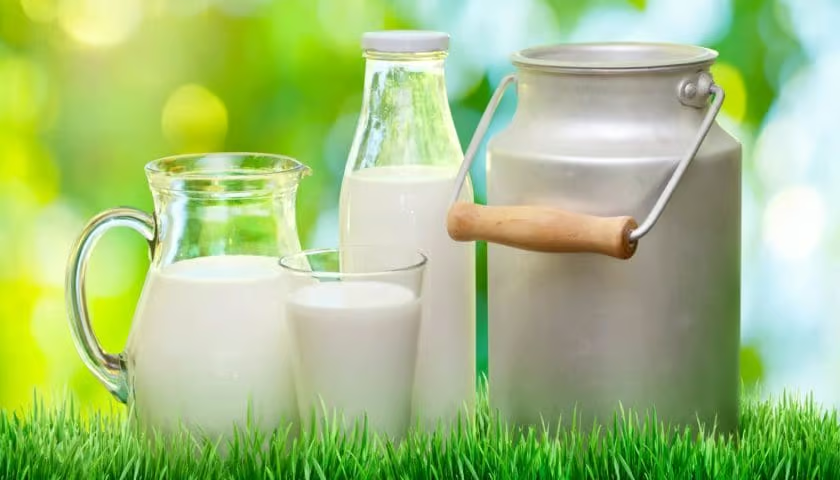
Health-conscious Americans are showing renewed interest in dairy products, particularly in protein-rich and fermented forms such as yogurt, cottage cheese, and kefir. The global dairy-based protein market was valued at ~US$15 billion in 2024, and is projected to reach ~US$22 billion by 2033.
Key drivers include:
Viral food-hacks (for example, blending cottage cheese into sauces or protein shakes) that boost dairy’s appeal in wellness diets.
Emphasis from nutrition experts on dairy’s role in providing calcium, vitamin D, vitamin A, amino-acids and gut-health support when fermented.
Caution that dairy isn’t universally beneficial: one expert noted that nearly half of their large-sample clientele found dairy to be “an inflammatory trigger or difficult to digest.”
For dairy producers and processors, this trend is a positive tailwind: growing consumer interest in high-protein and fermented dairy creates opportunities to expand value-added product lines (e.g., high-protein yogurt, fortified cottage cheese, probiotic kefir).
However, there are important caveats:
While demand is rising in wellness segments, price competition and ingredient/production cost pressures (feed, labour, logistics) remain.
The “superfood” positioning increases expectation for quality, traceability and functional claims (probiotics, live cultures) — which may raise costs and regulatory burden.
For regions like India, even though domestic dairy volumes are high, tapping premium-wellness/export segments may require upgrading processing, branding and cold-chain infrastructure to meet global standards.
The mismatch noted by the article — high demand among certain consumers but diversified tolerance among others — means producers should adopt segmented marketing strategies, not assume uniform growth across all dairy categories.