Latest Blogs
See More


Indian Dairy News



DairyNews7x7
Global Dairy News

DairyNews7x7
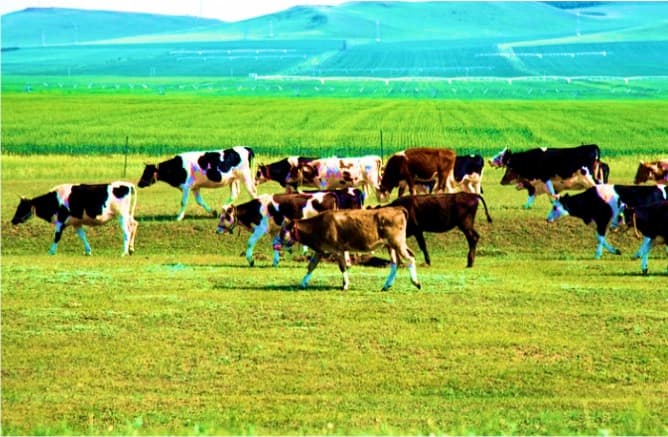
China’s growing self-sufficiency in dairy production is having a profound influence on global dairy trade. As China produces more dairy products domestically, New Zealand must seek alternative markets for its whole milk powder exports, leading to greater global dairy export competition and below-average milk powder prices.

Mary Ledman, Global Strategist for Dairy at Rabobank, describes the global dairy sector as a row of dominoes, with China’s demand representing the first domino, followed by New Zealand’s supply, and finally a key commodity: WMP.
“If China’s demand falls, it triggers a chain reaction, causing each subsequent domino to topple. This has inevitably intensified competition among the existing dairy-exporting regions and led to lower-than-average global milk powder prices,” says Ledman.
New Zealand’s WMP exports peaked in 2021 due to China’s robust demand, which dropped in the subsequent years. In response, New Zealand adjusted its export strategy, increasing exports of SMP, butterfat, and cheese, offsetting a 255,000 metric ton fall in WMP exports between 2021 and 2023.
In 2022 and 2023, New Zealand also multiplied its WMP imports to Algeria, the world’s second-largest WMP importer. “This caused the New Zealand dairy supply domino to cascade into the European market, the traditional WMP and SMP supplier for Algeria,” explains Ledman. “New Zealand also diverted milk from WMP to SMP, resulting in a nearly 40% boost in its total SMP exports from 2021 to 2023, putting pressure on SMP exports from the EU and the US.”