Latest Blogs
See More

Ireland's liquid milk sector continues to contract as the number of registered liquid milk producers falls, raising concerns about the long-term sustainability of year-round fresh milk supplies. Accor...Read More

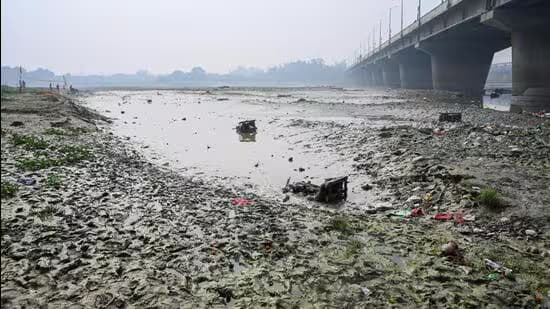
The Municipal Corporation of Delhi (MCD) has unveiled an ambitious plan to install 10 biogas plants across the capital to dramatically reduce dairy waste and curb pollution in the Yamuna River. This initiative targets one of the most persistent urban environmental problems — untreated organic waste from markets, dairy units and households — that currently ends up as a heavy biological load in drains feeding the river. (Hindustan Times)
Under the proposal, the biogas plants will be sited near major wholesale markets, livestock aggregation points and dairy waste hotspots, where milk, curd, whey and washwater accumulate in high quantities. Organic dairy waste — rich in biodegradable solids — will be processed through anaerobic digestion, producing biogas (methane) that can be used for local energy needs while stabilising solids for safer disposal or reuse as organic fertiliser.
MCD officials say the project will be implemented in phases, with each plant designed to handle several tonnes of dairy and organic waste per day. In addition to reducing the flow of nutrient-rich effluent into drains, the biogas facilities are expected to lower greenhouse gas emissions, cut local odour issues and generate renewable energy that could be used in municipal buildings or returned to local grids.
The dairy sector — particularly informal milk vendors, morning dairy markets and roadside collection points — has historically lacked infrastructure for proper waste management, leading to direct discharge of leftover milk, buttermilk, curd and washwater into city drains. These discharges significantly increase Biochemical Oxygen Demand (BOD) levels in waterways like the Yamuna, exacerbating pollution and harming aquatic life. The biogas strategy aims to capture this waste stream and convert it into usable energy rather than allowing it to degrade rivers and groundwater.
Experts welcomed the move but stressed that integrated waste management will require cooperation across agencies, including market associations, Dairy Cooperatives, Milk Unions and local vendor clusters, to ensure segregation at source and regular collection. Without proper segregation of organic dairy waste from other municipal solid waste, the efficiency of biogas plants could be limited.
From a broader dairy industry perspective, the plan highlights the growing recognition that waste streams from milk and dairy processing — whey, wash effluent, expired products — are not problems to be dumped, but resources to be captured and valorised. Successful deployment of biogas technology could reduce urban pollution, generate rural and peri-urban energy, and create value from what was previously an environmental liability.
This initiative also resonates with national sustainability goals: reducing organic load in urban drains, cutting dependence on fossil fuels, and enhancing waste-to-energy processing. If implemented effectively, the MCD’s biogas plants could serve as a model for other metropolitan areas struggling with dairy and organic waste management challenges.
Source : DAirynews7x7 March 4th 2026 Read full story here
#DairyWasteManagement #BiogasPlants #UrbanPollution #YamunaCleanUp #MilkValueChain #WasteToEnergy #OrganicWaste #SustainableDairy