Latest Blogs
See More


As the dairy industry increasingly adopts automation with the use of sensors and robotics, researchers at Texas A&M AgriLife are helping producers harness this evolving technology to help optimize production and improve the health and well-being of dairy cattle.
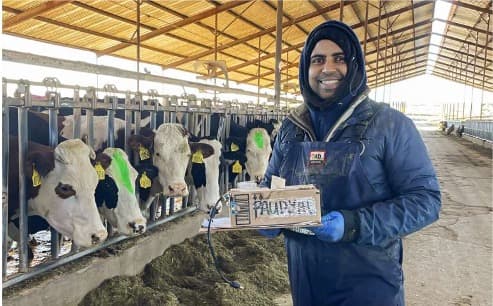
Sushil Paudyal, Ph.D., an assistant professor of dairy science in the Texas A&M College of Agriculture and Life Sciences Department of Animal Science, is helping to spearhead these efforts. He leads research that applies artificial intelligence, AI, and machine learning technology to gather advanced, real-time data on farms, developing systems that support earlier disease detection, informed decision-making and cost-effective adoption of robotics.
"Sensor-based systems, AI and real-time analytics are transforming how dairies make everyday decisions," Paudyal said. "But to be effective, these technologies must be adaptable, updatable and tailored to individual farm needs."
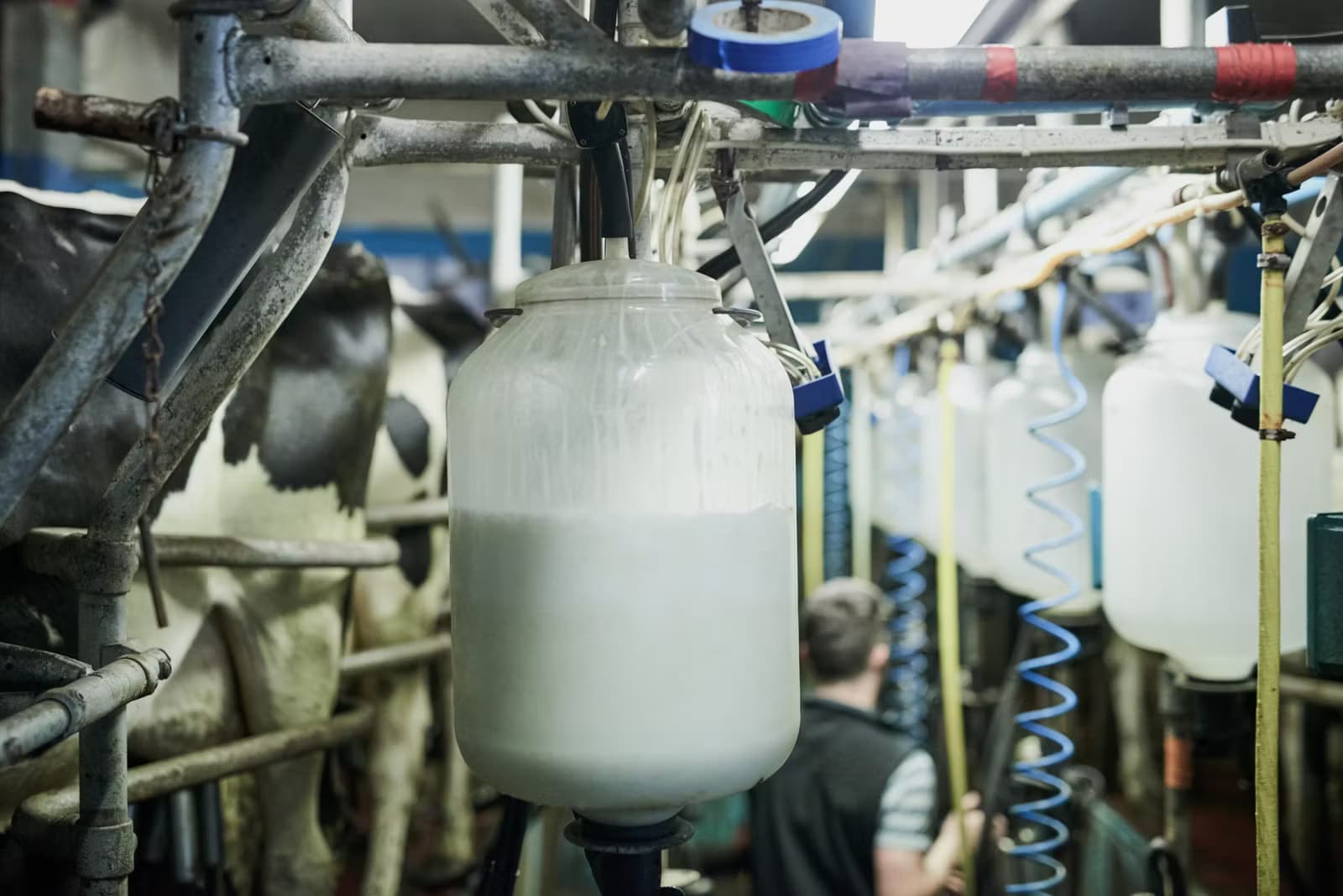
"Right now, we're developing farm efficiency models based on machine learning for robotic milking systems, aiming to pinpoint idle time and milking failures," he said.
At the recent U.S. Precision Livestock Farming Conference in Lincoln, Nebraska, Paudyal and his team highlighted some of their research:"We are developing sensors in our lab that can help detect diseases without collecting invasive blood samples or milk samples," Paudyal said. "They will monitor behavior and physiological variables to determine sick cows."
His team is currently developing a "DairyBot" virtual assistant, a generative AI tool that will enable producers to evaluate farm data and lab results, as well as ask questions about feed decisions while using AI to interpret herd data in real-time.
"They will have a real-time advisor with a vast domain of knowledge that can pull from their farm's data and dairy-specific literature," Paudyal said. "It won't replace the vet or nutritionist, but it will empower and support them for informed decision-making."
Paudyal presents early findings at the American Dairy Science Association conference in Louisville, Kentucky, June 22-25. A working prototype of DairyBot is expected within six months.
He believes the camera-based systems, which monitor larger groups of cows, can reduce the upfront cost and increase adoption, ultimately helping to minimize the digital divide.
"I always want to develop solutions to the real-world problems that help dairy farmers," Paudyal said. "As a land-grant university with a mission to support Texas dairy farmers, it is essential to develop research projects that provide practical, immediately applicable solutions. By equipping farmers with the tools and resources they need, we can help address real-world challenges on the farm more effectively."
Sources : Dairynews7x7 June 26th 2025 Texas University