Latest Blogs
See More


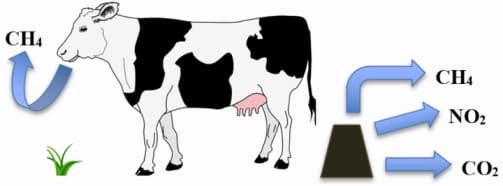
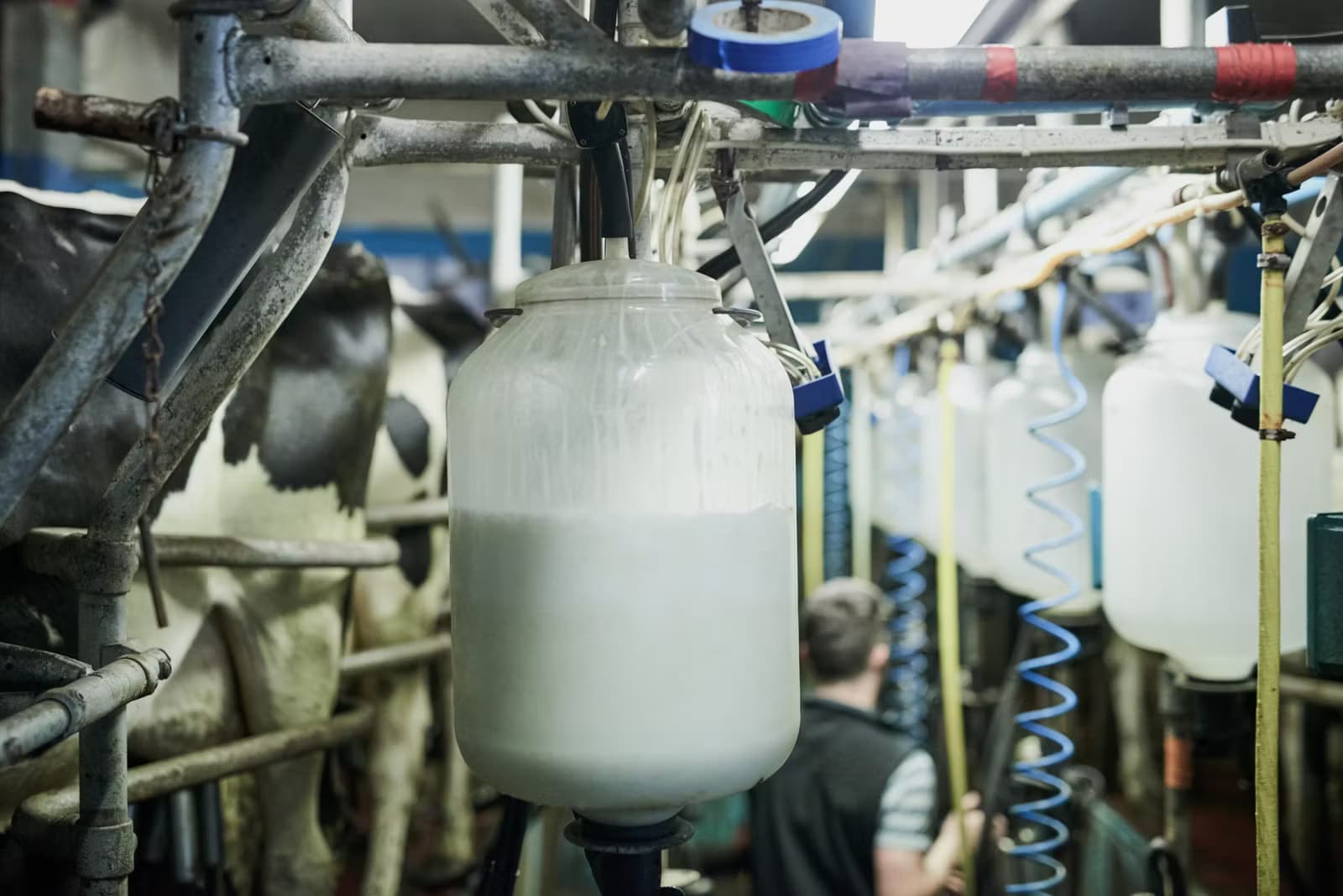
Despite differences in farming systems, the carbon footprint of dairy products is similar among the major exporting regions, and most greenhouse gas (GHG) emissions originate on the farm in the form of methane, according to a new report from Rabobank, outlining some of the reduction strategies available, including those left untapped.
However, for dairy processing companies, this means that the majority of their emissions are in scope 3 and beyond their direct control. As such, measuring and reducing these emissions can be difficult, given the complexity and number of players in the value chain, he noted.
In the case of a dairy processor, scope 1 emissions would come from processing raw milk in its processing plants. Scope 2 emissions would come from energy purchased for processing. Upstream scope 3 emissions would include scope 1 emissions from the dairy farms where the milk was purchased (methane emissions on the cow farm) and downstream scope 3 emissions would result from, for example, transportation and the disposal of waste from dairy products. .
“This situation creates multiple layers of complexity. Dairy companies want to set targets as they are coming under pressure from buyers to reduce their emissions, but the lack of alignment between national government and industry standards increases complexity, which in turn could hinder the rate of progress . In the absence of a common national guide, many people Businesshave set their own requirements and objectives“.
“Historic efficiency gains have been achieved through a combination of improvements in genetics, feed efficiency and nutrition, agricultural practices and animal welfare, contributing to higher milk yields and lifetime production per cow and lower replacement rates. In the Netherlands, for example, this contributed to a 35% decrease in carbon intensity per kilogram of milk between 1990 and 2019.
“As time and knowledge advance, these gains and efficiency improvements will also contribute to future reductions in GHG emissions intensity, but to sustain this progress, a significant amount of on-farm management skills is required. ”.
“Bovaer (3-nitrooxypropanol) is a synthetic feed additive produced by the Dutch company DSM that suppresses enzymes in the cow’s rumen so that less methane is generated, which could reduce methane emissions from enteric fermentation in cows. milkmaids by 30% without affecting milk productivity. pilot based.
“Bovaer has been investigated in more than 50 peer-reviewed scientific studies and is already licensed and available for use in more than 40 countries, including EU member states, Brazil, and Australia. The reduction potential varies according to the culture system. [Its potential in more intensive, controlled, and (seasonal) indoor farming systems appears to be somewhat higher].”
In practice, the use of such products will increase operating expenses at the farm level, Rabobank said. Although he hopes that these types of inhibitor additives will be incorporated into compound feed in many countries.
However, scaling up aquaculture to produce seaweed commercially can be challenging, and the long-term effects on cows are still unknown, the Rabobank team said.
“The indicators show that significant variations in enteric methane emissions are likely to exist between breeds and individual cows of similar breed within the same herd.
“Through the exploitation of natural genetic variation in dairy cows for methane emission traits, breeding plans could offer a cost-effective emission mitigation opportunity. However, research is ongoing and further analyzes background the interaction between breeding goals for environmental traits and breeding goals for economically important traits, such as fertility and productivity.”
“Digesters are used to prevent gases from escaping from manure lagoons and reaching the atmosphere, so that they can instead be used for different purposes, such as fuel or renewable electricity. However, such facilities in an agricultural setting are capital intensive and are generally complex systems to operate, making their feasibility challenging for farmers.
“Possibly, numerous measures related to manure management and storage are more (cost) effective in large-scale and confined farming systems.”
While levers such as efficiency and productivity gains, manure management, and feed additives offer strong mitigation opportunities in theory, they vary in technical abatement potential, as well as in the rate of adoption and current commercialization, which can make it difficult to predict its overall reduction. potential in the coming years, the team warned.
“Probably the biggest obstacle to reducing on-farm dairy emissions is not the technical potential but rather the feasibility of adopting mitigation practices. Some mitigation levers require little or no investment. Conversely, others have great potential for theoretical reduction, but also require large upfront capital expenditure or increase operating expenses, which restricts the rate of adoption.”
Alignment between government and industry goals is required to overcome layers of complexity, but at the same time, the dairy industry must fully endorse the need to accelerate GHG emission reductions. “By raising ambitions and targets, the industry has already taken the first stepsin this direction”,Schper said.
However, to gain momentum in on-farm mitigation lever adoption rates, farmers must also be incentivized by the industry, through options such as carbon tokens or premiums, in addition to the price of milk. “If mitigation does not gain momentum, the dairy industry could face the risk of government-imposed mitigation regulations that could be capital intensive or even include herd reduction,“, the analyst concluded.